- AcademicSchools
- Zenith School of AI
- School of Engineering & Technology
- School of Management & Commerce
- School of Legal Studies
- School of Medical & Allied Sciences
- School of Physiotherapy and Rehabilitation Sciences
- School of Liberal Arts
- School of Architecture & Design
- School of Basic & Applied Sciences
- School of Emerging Media & Creator Economy
- School of Hotel Management & Catering Technology
- School of Education
- School of Agricultural Sciences
Discover More
 13 Schools700+ Faculty Members
 - AdmissionsAdmissions
- PlacementsPlacements
56.6 LPA
Highest Package
800+
Campus Recruiters












- ResearchResearch and Development Cell
100+
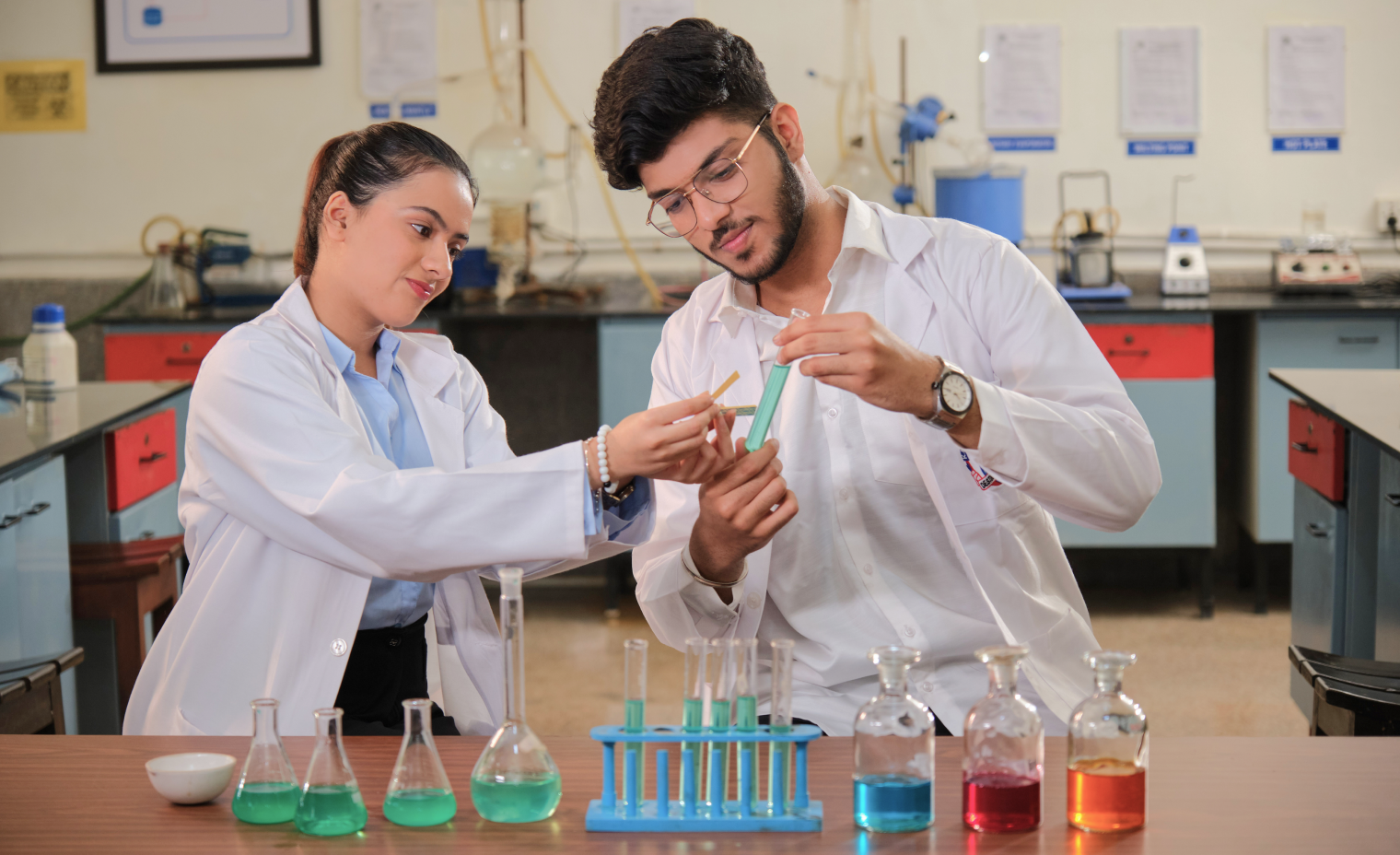
High-End Teaching and Research Labs
4000+
No. of Research Publications
16Cr+
Research and consultancy grants to the university
- Sustainability
- Life at KRMU
- About UsAbout Us
 13+Years of Educational Experience
Welcome to a world where education meets excitement! At K.R. Mangalam University (KRMU), we believe that university life should be a perfect blend of learning, growth, and fun. Our campus is not just a place to study.
OverviewAdministration - Apply Now















Academics
Schools
Zenith School of AISchool of Engineering & TechnologySchool of Management & CommerceSchool of Legal StudiesSchool of Medical & Allied SciencesSchool of Physiotherapy and Rehabilitation SciencesSchool of Liberal ArtsSchool of Architecture & DesignSchool of Basic & Applied SciencesSchool of Emerging Media & Creator EconomySchool of Hotel Management & Catering TechnologySchool of EducationSchool of Agricultural Sciences
Placements
56.6 LPA
Highest Package
800+
Campus Recruiters
Research
100+
High-End Teaching and Research Labs
4000+
No. of Research Publications
16Cr+
Research and consultancy grants to the university
About KRMU
Overview
Administration
13+
Years of Educational Experience
100+
Multidisciplinary Programmes