







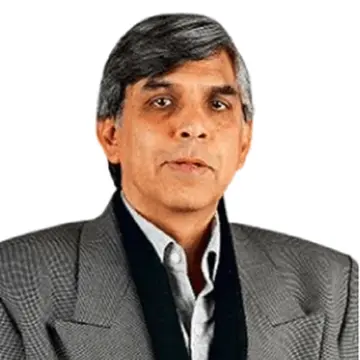
Prof. Dinesh Singh
Chancellor, KRMU
CHIEF PATRON



56.6 LPA
Highest Package
800+
Campus Recruiters












100+
High-End Teaching and Research Labs
4000+
No. of Research Publications
16Cr+
Research and consultancy grants to the university
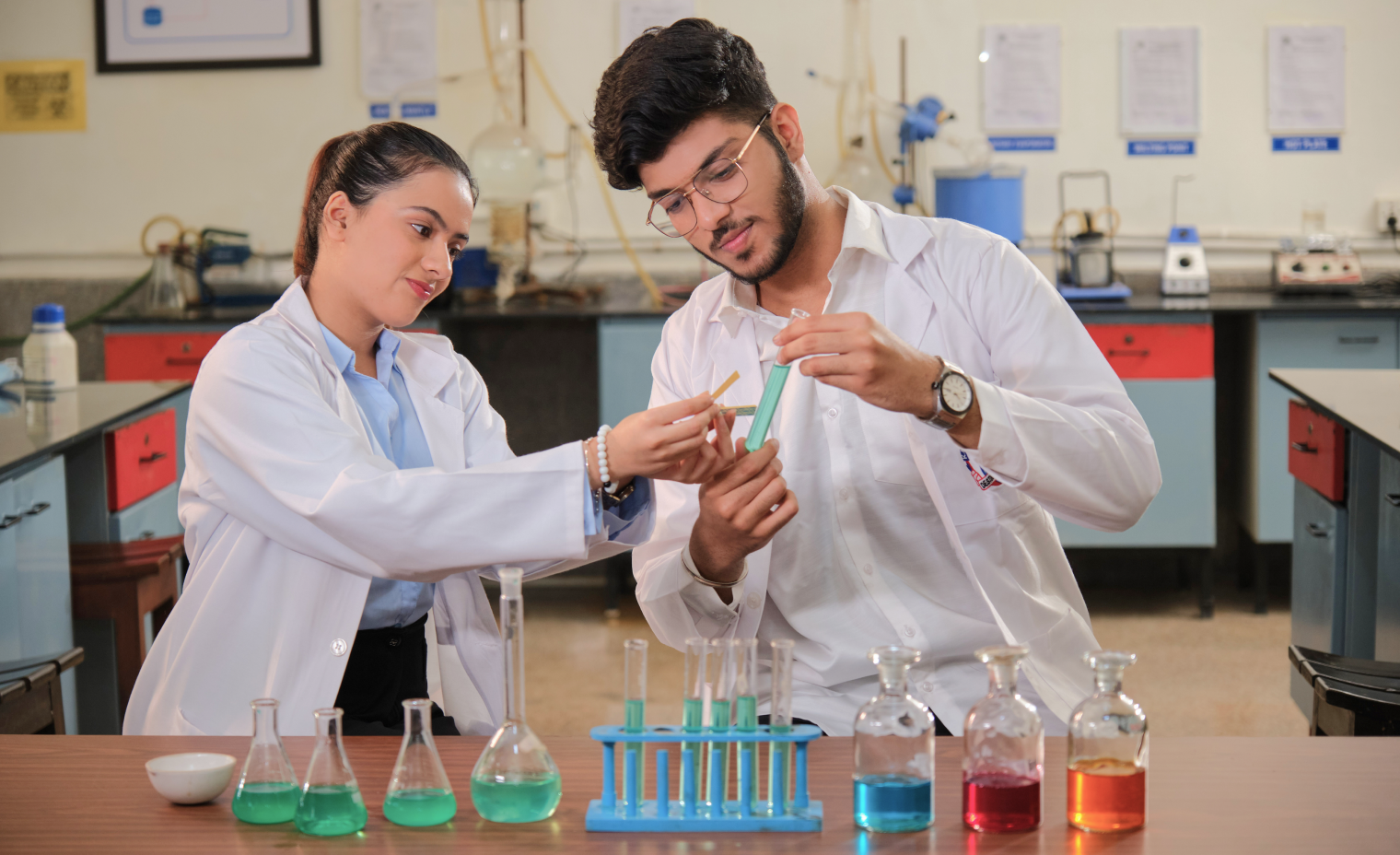
Welcome to a world where education meets excitement! At K.R. Mangalam University (KRMU), we believe that university life should be a perfect blend of learning, growth, and fun. Our campus is not just a place to study.

56.6 LPA
Highest Package
800+
Campus Recruiters
100+
High-End Teaching and Research Labs
4000+
No. of Research Publications
16Cr+
Research and consultancy grants to the university
13+
Years of Educational Experience
100+
Multidisciplinary Programmes
3RD INTERNATIONAL CONFERENCE · 21-23 January 2027
AMGSE 2027 · SBAS, K. R. Mangalam University, Gurugram
SBAS · KRMU
association with CSIR-CSIO Chandigarh
ABOUT THE CONFERENCE
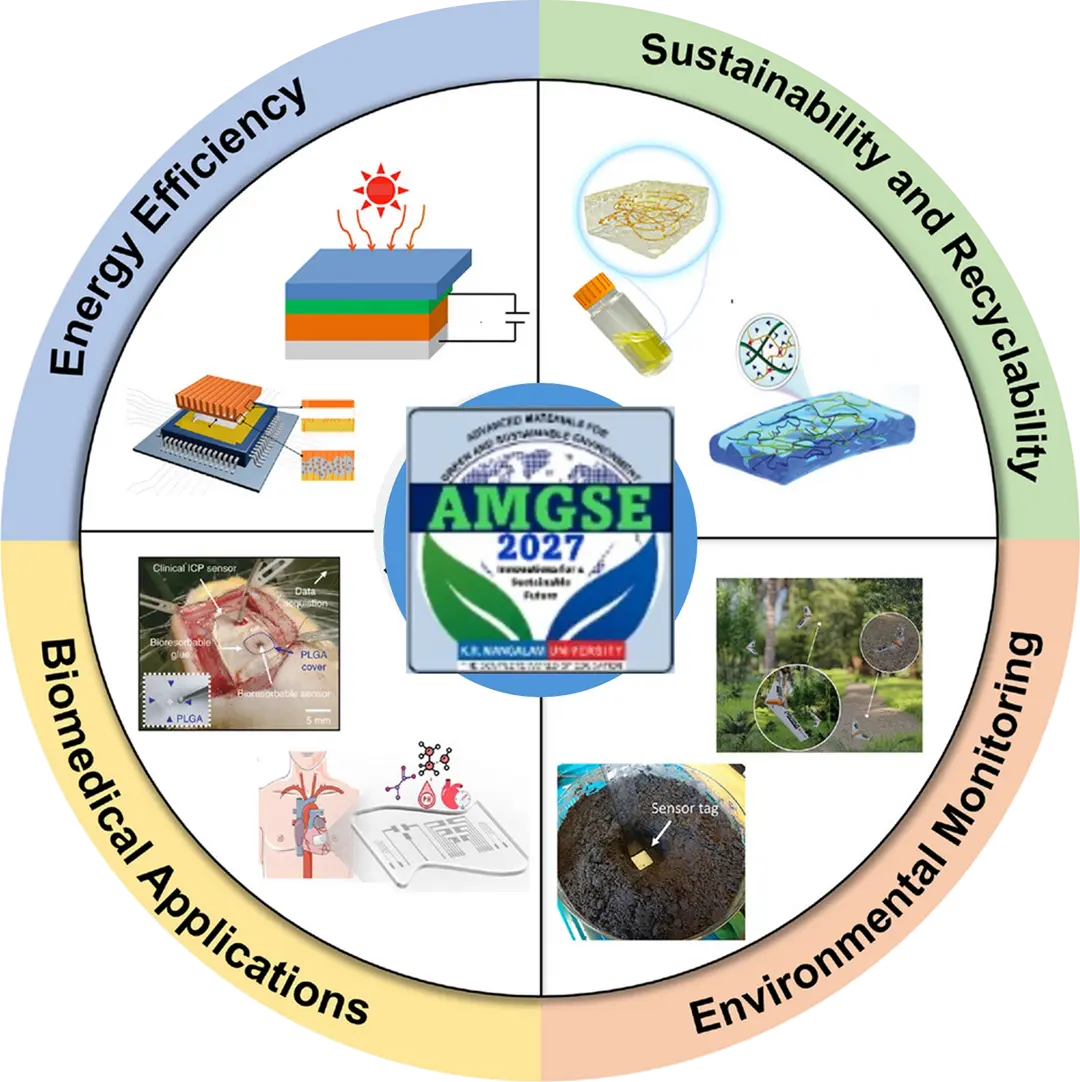
The AMGSE 2027 conference committee welcomes you to the 3rd International Conference on “Advanced Materials for Green and Sustainable Environment.”
Advanced Materials for Green and Sustainable Environment refers to advancement and application of novel, innovative and eco-friendly nanomaterials that contribute toward sustainability by supporting twelve principles of green chemistry. These advanced materials are synthesized in such a way so that their impact on the environment should be minimized through reduction of emission of hazardous substances and their emission in the environment. The creation of advanced materials, distinguished by their unique physical and chemical characteristics and structures, has captured the attention of active researchers worldwide and used for various applications such as energy storage, water purification, sustainable packaging and many more. The integration of advanced materials into different industries contributes for sustainable development through reduction of ecological footprints and promotion of resource efficiencies.

3RD EDITION
ABOUT K.R. MANGALAM UNIVERSITY
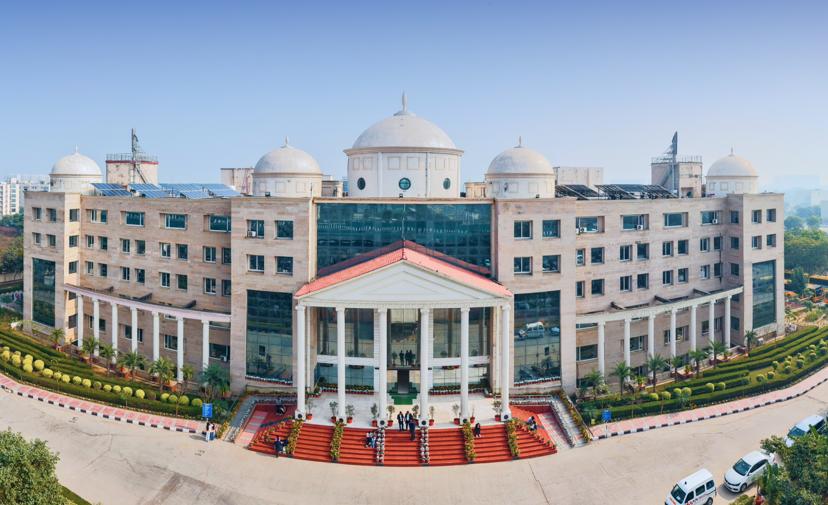
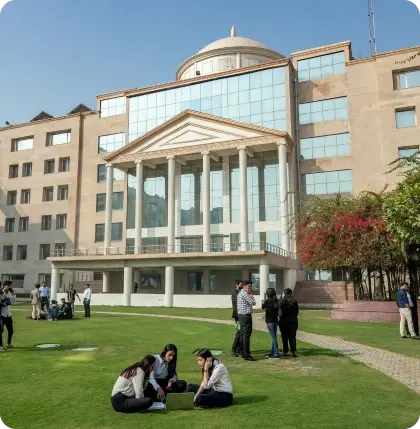
K.R. Mangalam University is a State Private University established in 2013 under Haryana Private Universities Act and is empowered to award degrees under section 2f of the UGC Act, 1956. The university is located at wonderful location with magnificent view of Aravalli hills and spread over 26 acres where students breathe in a pollution-free, healthy, and sustainable environment. The University has been striving to fulfil its prime objective of transforming young lives through ground-breaking pedagogy, global collaborations, and world-class infrastructure.
Along with advanced learning, the university gives paramount importance to co-curricular activities such as vibrant festival celebrations, social responsibility activities, tech training, research and many more activities. The university has 12 schools and offers more than 78 undergraduate, postgraduate, doctoral and diploma programs in various disciplines, including Basic and Applied Science, Engineering, Pharmacy, Journalism and Mass Communication, Agricultural Science, Management and Course, Legal Studies, Hotel Management, Humanities, and Education. Recognized for its virtues of quality, equality, inclusiveness, sustainability, and professional ethics, KRMU is synonymous to academic excellence and innovation.
Selected papers will be published in Scopus-indexed journals, conference proceedings or as book chapters in Edited volumes with valid ISBN and DOI, subject to peer review and editorial approval.
Trends in Biomaterials and Artificial Organs
Journal of Water and Environmental Nanotechnology
Chalcogenide Letters
Engineers Society of Corrosion IDK Materials Protection
Frontiers in Mechanical Engineering
Drug Deliver Letters
Discover Mental Health
CONFERENCE TRACKS
Nanomaterials and nanocomposites · Two-dimensional (2D) materials · Metal oxides and semiconductor materials · Functional thin films and coatings · Smart and responsive materials · Biomaterials and bio-inspired materials · Surface engineering and interfaces · Advanced characterization techniques
Ferroelectric Materials and Their Applications · Electrochemical Energy Storage Systems · Next-Generation Battery Technologies · Supercapacitors and Pseudocapacitive Materials · Nanomaterials for Energy Storage
Air quality monitoring · Water purification technologies · Wastewater treatment · Carbon capture and storage · Green chemistry · Environmental remediation · Sustainable waste management · Climate change mitigation · Environmental monitoring and sensing
Gas sensors and biosensors · Flexible and wearable electronics · MEMS and NEMS · Internet of Things (IoT) · Smart environmental monitoring · Printed electronics · Semiconductor devices · Electronic materials
Quantum materials · Quantum computing · Quantum sensing · Spintronics · Photonic materials · Optoelectronic devices · Topological materials · Quantum communication · Nanophotonics
Condensed matter physics · Computational physics · Plasma physics · Laser-material interactions · Thin film physics · Surface science · Advanced instrumentation · Materials modeling and simulation
Materials chemistry · Analytical chemistry · Physical chemistry · Catalysis · Green synthesis · Electrochemistry · Supramolecular chemistry · Organometallic chemistry · Polymer chemistry
Computational modeling · Machine learning · Artificial intelligence · Statistical analysis · Optimization techniques · Scientific computing · Digital forensics · Environmental forensics · AI applications in forensic science
Green manufacturing · Additive manufacturing · Advanced manufacturing processes · Industry 5.0 · Sustainable production · Life cycle assessment · Recycling technologies · Circular manufacturing · Smart factories
Sustainable Development Goals (SDGs) · AI-driven materials discovery · Machine learning in materials science · Data-driven materials design · Predictive modelling · AI in environmental monitoring · Digital materials engineering · Intelligent sensing systems · Robotics for sustainable technologies · Circular economy · Environmental policy
SPECIAL SESSIONS
Young Scientist Forum
Women in Science and Engineering
Startup & Innovation Showcase
Research Scholars' Poster Competition
Best Oral Presentation Awards
Best Poster Awards
TIMELINE
SUBMISSIONS
Interested participants can apply online, submitting the duly filled form by 15 January 2027. Limited seats are available for early-bird registration at discounted fees. No refunds are issued after registration.
Papers are invited strictly within the conference's focus areas. Authors may submit an abstract only, or a full paper — early full-paper submission is encouraged, using the official template.
All submissions undergo rigorous peer review for originality, quality and relevance. Selected high-quality manuscripts, recommended by reviewers and Track Chairs, will be considered for publication in Scopus-indexed journals and conference proceedings, subject to editorial policy.
REGISTRATION
Pay in INR (Indian nationals) or USD (non-Indian nationals & NRIs) only.
| CATEGORY | NATIONAL | INTERNATIONAL |
|---|---|---|
| Students (UG/PG) | ₹700 | $30 |
| Research Scholar (PhD) | ₹1,500 | $50 |
| Faculty / Postdoc / Scientist | ₹3,500 | $100 |
| Industry Person | ₹5,000 | $150 |
Swipe horizontally to view the full table →
PEOPLE
Chancellor, KRMU
CHIEF PATRON

Pro-Chancellor, KRMU
PATRON

Director, KRMU
PATRON
Vice Chancellor, KRMU
CO-PATRON
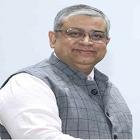
Director, KRMU
CO-PATRON
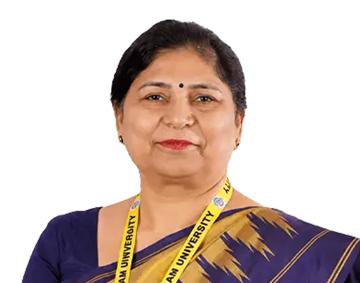
Organizing Head
Dean-SBAS K.R. Mangalam University
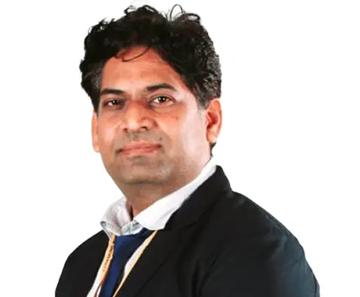
Convenor
Associate Professor- SBAS K.R. Mangalam University

Convenor
Assistant Professor- SBAS K.R. Mangalam University
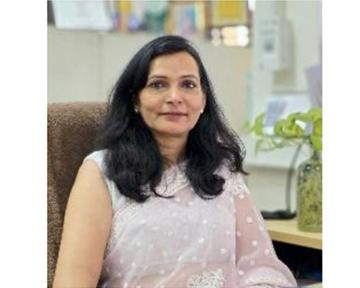
Co-Convenor
Scientist-F & Co-ordinator CSIR-CSIO, Chandigarh
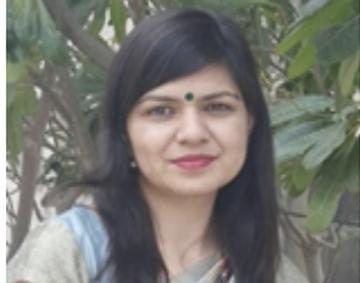
Co-Convenor
Organizing Secretary - SBAS K.R. Mangalam University

Conference Chair
Dean, Faculty of Scientific Skills DSEU, New Delhi
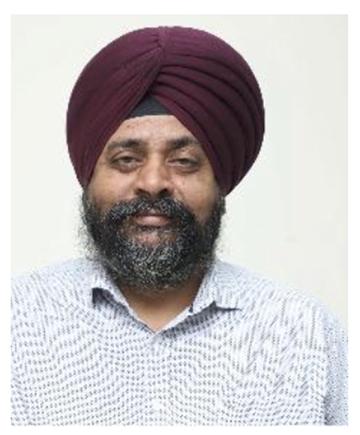
Conference Co-Chair
Scientist-G & Head, BDG CSIR-CSIO, Chandigarh
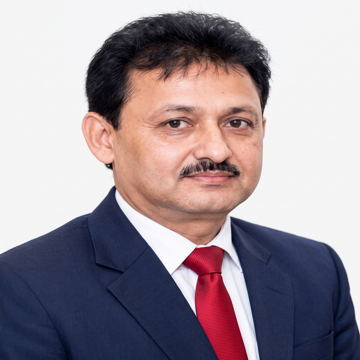
Organizing Chair
Dean Research K.R. Mangalam University
SBAS, K. R. Mangalam University, Gurugram · In collaboration with CSIR–CSIO, Chandigarh College, University of Delhi
21-23 January 2027