Copy & Paste Below SCRIPT before the close of body tag
Phd in education

PhD in Education: Reimagining Pedagogy for the 21st Century!

December 29, 2025

Are you considering pursuing a doctorate in education? It’s a road that leads to amazing opportunities, whether you want to apply research to alter the field or use leadership to transform education. 

Choosing to pursue a PhD in education is more than simply a choice for a degree; it’s a turning point in your professional life. Whether you want to lead organisations or carry out ground-breaking research, the curriculum offers unique advantages. What does a PhD degree in education entail, though, and why might it be the best path to pursue for you? Continue reading this blog post to find out more about the doctoral programme.

What is a PhD in Education?

By presenting its various aspects as a structured field of study, the Doctorate Programme in Education seeks to create a methodical understanding of educational research. The curriculum aims to prepare students to conduct a methodical investigation and to explore, plan, and analyse educational issues from a conceptual and empirical standpoint. It provides a chance for scholars to engage with and get knowledge from instructors belonging to a variety of educational fields.

The PhD programme takes a comprehensive and inclusive approach towards the multifaceted nature of education in the modern, globalised world. It enables a thorough examination of the fundamental and perspective areas of education, including educational theory, educational practice, educational foundations, and policy-related issues in education. Additionally, it includes a methodical introduction to research methodology courses that will allow researchers to conduct qualitative, longitudinal, ethnographic, phenomenological, comparative, and quantitative studies in the field of education. The PhD candidates are usually motivated towards examining broad societal concerns that affect education, such as cultural diversity, socioeconomic factors, or educational equity.

Who can do Phd in education?

The programme allows students to take individualised classes tailored to their areas of interest in research. The goal of the PhD programme is to create a community of academics and professionals with strong analytical, critical, divergent, and synthesising skills who can develop specialised knowledge in the subject of education. The curriculum equips the scholars to work as professional practitioners, policy makers, educators, researchers, consultants, and leaders in education.

Now, let’s talk about Phd in education eligibility. ​A Master’s degree (55% marks/equivalent) in education or a related field, strong academic records (UG/PG), and sometimes passing entrance exams (such as UGC-NET/GATE) and interviews are required to be eligible for a doctorate degree in education. However, some universities allow 4-year Bachelor’s graduates (75%+) to pursue direct PhDs or specialised programmes, in addition to submitting a strong research proposal.

Also Read: Guide to PhD in Electrical and Electronics Engineering

Why get a PhD in education?

Although a PhD in education can provide significant rewards, it also necessitates years of rigorous study and research. The following are some of the main justifications for choosing this route:

Making a Meaningful Impact

Having a PhD in education gives an individual the ability to influence the workings of educational institutions. Their work can directly raise the standard of education for students around the world, whether they’re researching novel teaching strategies, developing educational policies, or preparing upcoming educators. They have the chance to implement long-lasting changes that can improve education’s effectiveness, accessibility, and inclusivity as a subject matter expert.

Contribute to Research and Knowledge

The subject of education is always changing, and there is an increasing need for research-based answers to contemporary problems. One can perform original research and add to the body of knowledge in education with the help of a PhD degree in education. This is particularly crucial at a time when the globe is dealing with issues like educational equity, online learning, and the effects of technology on education.

Career Advancement

Numerous employment options that might otherwise be unattainable are made possible by a doctorate in education. Becoming a university professor or an expert consultant can be your ultimate objective if you have a strong desire to teach at the highest levels. Alternatively, you could work as a curriculum developer, in policy analysis, or in educational administration. A phd degree in education will make you stand out and enable you to assume leadership positions in academic institutions, governmental bodies, or nonprofit organisations.

Personal Growth and Proficiency

Obtaining a doctorate in education is an intellectually challenging process that provides the chance for significant personal development. You’ll become an expert in your subject, acquire in-depth knowledge in your chosen topic, and hone your critical thinking abilities. It’s an opportunity to delve deeply into topics you are enthusiastic about and have insightful conversations with other scholars.

Simple Steps Ensuring Seamless Phd Admission

Confused About a PhD? Choose K.R. Mangalam University!

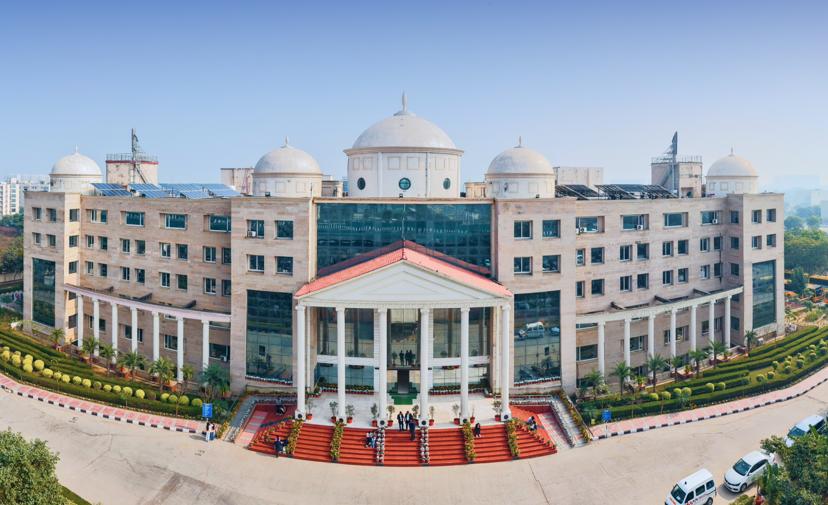
The vision of K.R. Mangalam University regarding its PhD scholars is for them to hold prominent positions in academics as well as in various areas of educational policy and practice. They must be autonomous, thoughtful researchers who are knowledgeable about educational philosophy and practices across a range of Indian sectors in order to take on such a role.

In order to achieve this, the university gives its PhD candidates the chance to think, act, and carry out solutions using the proper combination of research and reasoning, producing a new generation of education reformers and instructional experts. This curriculum will be cognitively stimulating, facilitating the successful pursuit of professions as university professors, educational administrators, such as school principals and supervisors, or careers in education-related NGOs and Think Tanks.

Final Takeaway!

In conclusion, a doctorate degree in education is not only an academic achievement, but it is also a chance to become a leader in one of the most significant spheres of society. This degree can become the door to making a big difference in education, whether you want to improve the way you teach, influence the educational policy, or conduct ground-breaking research. Nonetheless, it requires dedication, persistence, and true passion for learning. If you are strongly interested in research and you want to improve the quality of education and, at the same time, expand your professional opportunities, the PhD in education at K.R. Mangalam University will certainly be the best choice.

So what’s holding you back? Connect with our Expert Admission Counsellors today to begin your journey of Academic Excellence!

Also Read: Why KRMU is one of the Best Universities for PhD in Physics

FAQs

What is the name of the best universities offering phd in education in India?

There are multiple universities offering a doctorate degree in education, like Delhi University, JNU, K.R. Mangalam University, etc.

What is phd full form in education​?

The full form is Doctor of Philosophy, which signifies the highest academic degree awarded for extensive research and original contributions to knowledge in the field of education.

Can I do phd in education after b ed?

Yes, you can pursue a PhD degree in Education after a B.Ed, but typically you'll need a Master's degree (M.Ed or M.A. in Education) first, as the Master's is usually the essential qualification for phd in education as in the case for other doctoral programmes.

Phd in education

PhD in Education: Reimagining Pedagogy for the 21st Century!

December 29, 2025

Are you considering pursuing a doctorate in education? It’s a road that leads to amazing opportunities, whether you want to apply research to alter the field or use leadership to transform education. 

Choosing to pursue a PhD in education is more than simply a choice for a degree; it’s a turning point in your professional life. Whether you want to lead organisations or carry out ground-breaking research, the curriculum offers unique advantages. What does a PhD degree in education entail, though, and why might it be the best path to pursue for you? Continue reading this blog post to find out more about the doctoral programme.

What is a PhD in Education?

By presenting its various aspects as a structured field of study, the Doctorate Programme in Education seeks to create a methodical understanding of educational research. The curriculum aims to prepare students to conduct a methodical investigation and to explore, plan, and analyse educational issues from a conceptual and empirical standpoint. It provides a chance for scholars to engage with and get knowledge from instructors belonging to a variety of educational fields.

The PhD programme takes a comprehensive and inclusive approach towards the multifaceted nature of education in the modern, globalised world. It enables a thorough examination of the fundamental and perspective areas of education, including educational theory, educational practice, educational foundations, and policy-related issues in education. Additionally, it includes a methodical introduction to research methodology courses that will allow researchers to conduct qualitative, longitudinal, ethnographic, phenomenological, comparative, and quantitative studies in the field of education. The PhD candidates are usually motivated towards examining broad societal concerns that affect education, such as cultural diversity, socioeconomic factors, or educational equity.

Who can do Phd in education?

The programme allows students to take individualised classes tailored to their areas of interest in research. The goal of the PhD programme is to create a community of academics and professionals with strong analytical, critical, divergent, and synthesising skills who can develop specialised knowledge in the subject of education. The curriculum equips the scholars to work as professional practitioners, policy makers, educators, researchers, consultants, and leaders in education.

Now, let’s talk about Phd in education eligibility. ​A Master’s degree (55% marks/equivalent) in education or a related field, strong academic records (UG/PG), and sometimes passing entrance exams (such as UGC-NET/GATE) and interviews are required to be eligible for a doctorate degree in education. However, some universities allow 4-year Bachelor’s graduates (75%+) to pursue direct PhDs or specialised programmes, in addition to submitting a strong research proposal.

Also Read: Guide to PhD in Electrical and Electronics Engineering

Why get a PhD in education?

Although a PhD in education can provide significant rewards, it also necessitates years of rigorous study and research. The following are some of the main justifications for choosing this route:

Making a Meaningful Impact

Having a PhD in education gives an individual the ability to influence the workings of educational institutions. Their work can directly raise the standard of education for students around the world, whether they’re researching novel teaching strategies, developing educational policies, or preparing upcoming educators. They have the chance to implement long-lasting changes that can improve education’s effectiveness, accessibility, and inclusivity as a subject matter expert.

Contribute to Research and Knowledge

The subject of education is always changing, and there is an increasing need for research-based answers to contemporary problems. One can perform original research and add to the body of knowledge in education with the help of a PhD degree in education. This is particularly crucial at a time when the globe is dealing with issues like educational equity, online learning, and the effects of technology on education.

Career Advancement

Numerous employment options that might otherwise be unattainable are made possible by a doctorate in education. Becoming a university professor or an expert consultant can be your ultimate objective if you have a strong desire to teach at the highest levels. Alternatively, you could work as a curriculum developer, in policy analysis, or in educational administration. A phd degree in education will make you stand out and enable you to assume leadership positions in academic institutions, governmental bodies, or nonprofit organisations.

Personal Growth and Proficiency

Obtaining a doctorate in education is an intellectually challenging process that provides the chance for significant personal development. You’ll become an expert in your subject, acquire in-depth knowledge in your chosen topic, and hone your critical thinking abilities. It’s an opportunity to delve deeply into topics you are enthusiastic about and have insightful conversations with other scholars.

Simple Steps Ensuring Seamless Phd Admission

Confused About a PhD? Choose K.R. Mangalam University!

The vision of K.R. Mangalam University regarding its PhD scholars is for them to hold prominent positions in academics as well as in various areas of educational policy and practice. They must be autonomous, thoughtful researchers who are knowledgeable about educational philosophy and practices across a range of Indian sectors in order to take on such a role.

In order to achieve this, the university gives its PhD candidates the chance to think, act, and carry out solutions using the proper combination of research and reasoning, producing a new generation of education reformers and instructional experts. This curriculum will be cognitively stimulating, facilitating the successful pursuit of professions as university professors, educational administrators, such as school principals and supervisors, or careers in education-related NGOs and Think Tanks.

Final Takeaway!

In conclusion, a doctorate degree in education is not only an academic achievement, but it is also a chance to become a leader in one of the most significant spheres of society. This degree can become the door to making a big difference in education, whether you want to improve the way you teach, influence the educational policy, or conduct ground-breaking research. Nonetheless, it requires dedication, persistence, and true passion for learning. If you are strongly interested in research and you want to improve the quality of education and, at the same time, expand your professional opportunities, the PhD in education at K.R. Mangalam University will certainly be the best choice.

So what’s holding you back? Connect with our Expert Admission Counsellors today to begin your journey of Academic Excellence!

Also Read: Why KRMU is one of the Best Universities for PhD in Physics

FAQs

What is the name of the best universities offering phd in education in India?

There are multiple universities offering a doctorate degree in education, like Delhi University, JNU, K.R. Mangalam University, etc.

What is phd full form in education​?

The full form is Doctor of Philosophy, which signifies the highest academic degree awarded for extensive research and original contributions to knowledge in the field of education.

Can I do phd in education after b ed?

Yes, you can pursue a PhD degree in Education after a B.Ed, but typically you'll need a Master's degree (M.Ed or M.A. in Education) first, as the Master's is usually the essential qualification for phd in education as in the case for other doctoral programmes.

Recent Post

Error: Contact form not found.

PhD in Education: Reimagining Pedagogy for the 21st Century!

KRMU Team
KRMU Team
Published On: December 29, 2025
Phd in education

Blog Content

Are you considering pursuing a doctorate in education? It’s a road that leads to amazing opportunities, whether you want to apply research to alter the field or use leadership to transform education. 

Choosing to pursue a PhD in education is more than simply a choice for a degree; it’s a turning point in your professional life. Whether you want to lead organisations or carry out ground-breaking research, the curriculum offers unique advantages. What does a PhD degree in education entail, though, and why might it be the best path to pursue for you? Continue reading this blog post to find out more about the doctoral programme.

What is a PhD in Education?

By presenting its various aspects as a structured field of study, the Doctorate Programme in Education seeks to create a methodical understanding of educational research. The curriculum aims to prepare students to conduct a methodical investigation and to explore, plan, and analyse educational issues from a conceptual and empirical standpoint. It provides a chance for scholars to engage with and get knowledge from instructors belonging to a variety of educational fields.

The PhD programme takes a comprehensive and inclusive approach towards the multifaceted nature of education in the modern, globalised world. It enables a thorough examination of the fundamental and perspective areas of education, including educational theory, educational practice, educational foundations, and policy-related issues in education. Additionally, it includes a methodical introduction to research methodology courses that will allow researchers to conduct qualitative, longitudinal, ethnographic, phenomenological, comparative, and quantitative studies in the field of education. The PhD candidates are usually motivated towards examining broad societal concerns that affect education, such as cultural diversity, socioeconomic factors, or educational equity.

Who can do Phd in education?

The programme allows students to take individualised classes tailored to their areas of interest in research. The goal of the PhD programme is to create a community of academics and professionals with strong analytical, critical, divergent, and synthesising skills who can develop specialised knowledge in the subject of education. The curriculum equips the scholars to work as professional practitioners, policy makers, educators, researchers, consultants, and leaders in education.

Now, let’s talk about Phd in education eligibility. ​A Master’s degree (55% marks/equivalent) in education or a related field, strong academic records (UG/PG), and sometimes passing entrance exams (such as UGC-NET/GATE) and interviews are required to be eligible for a doctorate degree in education. However, some universities allow 4-year Bachelor’s graduates (75%+) to pursue direct PhDs or specialised programmes, in addition to submitting a strong research proposal.

Also Read: Guide to PhD in Electrical and Electronics Engineering

Why get a PhD in education?

Although a PhD in education can provide significant rewards, it also necessitates years of rigorous study and research. The following are some of the main justifications for choosing this route:

Making a Meaningful Impact

Having a PhD in education gives an individual the ability to influence the workings of educational institutions. Their work can directly raise the standard of education for students around the world, whether they’re researching novel teaching strategies, developing educational policies, or preparing upcoming educators. They have the chance to implement long-lasting changes that can improve education’s effectiveness, accessibility, and inclusivity as a subject matter expert.

Contribute to Research and Knowledge

The subject of education is always changing, and there is an increasing need for research-based answers to contemporary problems. One can perform original research and add to the body of knowledge in education with the help of a PhD degree in education. This is particularly crucial at a time when the globe is dealing with issues like educational equity, online learning, and the effects of technology on education.

Career Advancement

Numerous employment options that might otherwise be unattainable are made possible by a doctorate in education. Becoming a university professor or an expert consultant can be your ultimate objective if you have a strong desire to teach at the highest levels. Alternatively, you could work as a curriculum developer, in policy analysis, or in educational administration. A phd degree in education will make you stand out and enable you to assume leadership positions in academic institutions, governmental bodies, or nonprofit organisations.

Personal Growth and Proficiency

Obtaining a doctorate in education is an intellectually challenging process that provides the chance for significant personal development. You’ll become an expert in your subject, acquire in-depth knowledge in your chosen topic, and hone your critical thinking abilities. It’s an opportunity to delve deeply into topics you are enthusiastic about and have insightful conversations with other scholars.

Simple Steps Ensuring Seamless Phd Admission

Confused About a PhD? Choose K.R. Mangalam University!

The vision of K.R. Mangalam University regarding its PhD scholars is for them to hold prominent positions in academics as well as in various areas of educational policy and practice. They must be autonomous, thoughtful researchers who are knowledgeable about educational philosophy and practices across a range of Indian sectors in order to take on such a role.

In order to achieve this, the university gives its PhD candidates the chance to think, act, and carry out solutions using the proper combination of research and reasoning, producing a new generation of education reformers and instructional experts. This curriculum will be cognitively stimulating, facilitating the successful pursuit of professions as university professors, educational administrators, such as school principals and supervisors, or careers in education-related NGOs and Think Tanks.

Final Takeaway!

In conclusion, a doctorate degree in education is not only an academic achievement, but it is also a chance to become a leader in one of the most significant spheres of society. This degree can become the door to making a big difference in education, whether you want to improve the way you teach, influence the educational policy, or conduct ground-breaking research. Nonetheless, it requires dedication, persistence, and true passion for learning. If you are strongly interested in research and you want to improve the quality of education and, at the same time, expand your professional opportunities, the PhD in education at K.R. Mangalam University will certainly be the best choice.

So what’s holding you back? Connect with our Expert Admission Counsellors today to begin your journey of Academic Excellence!

Also Read: Why KRMU is one of the Best Universities for PhD in Physics

FAQs

What is the name of the best universities offering phd in education in India?

There are multiple universities offering a doctorate degree in education, like Delhi University, JNU, K.R. Mangalam University, etc.

What is phd full form in education​?

The full form is Doctor of Philosophy, which signifies the highest academic degree awarded for extensive research and original contributions to knowledge in the field of education.

Can I do phd in education after b ed?

Yes, you can pursue a PhD degree in Education after a B.Ed, but typically you'll need a Master's degree (M.Ed or M.A. in Education) first, as the Master's is usually the essential qualification for phd in education as in the case for other doctoral programmes.