
Copy & Paste Below SCRIPT before the close of body tag
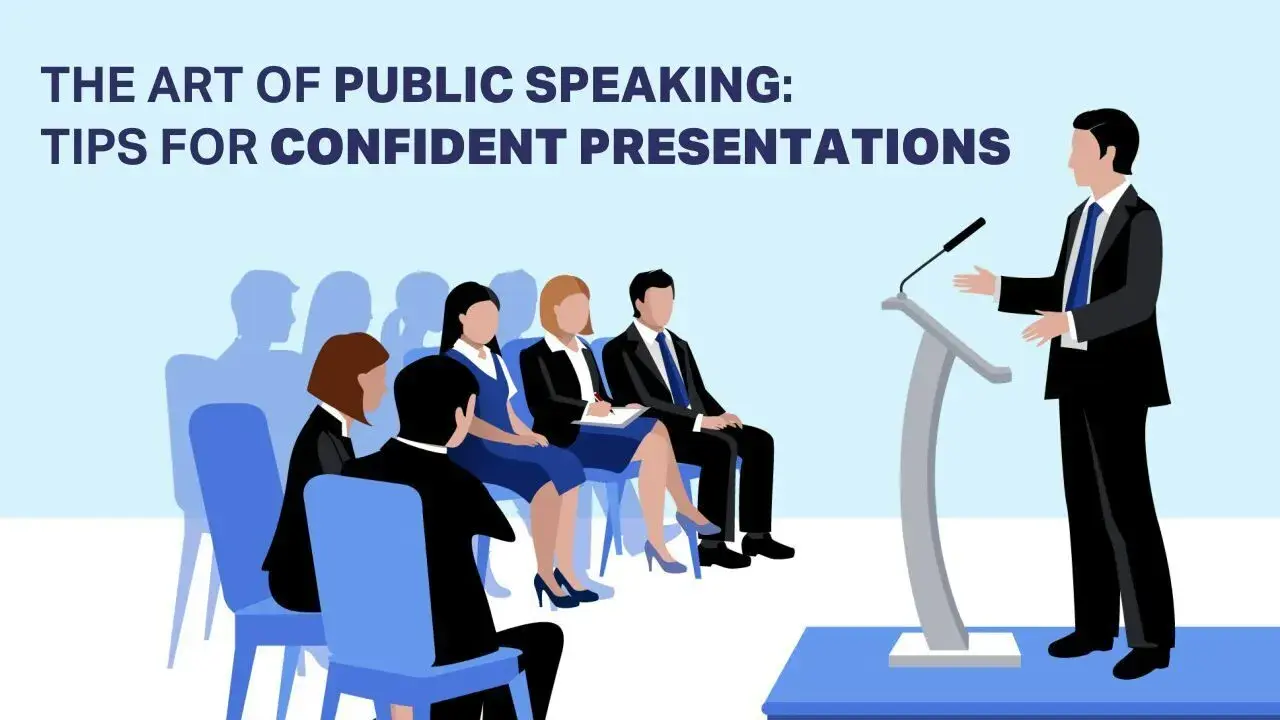
The Art of Public Speaking: Tips for Confident Presentations

The Art of Public Speaking: Tips for Confident Presentations

August 19, 2023

The art of public speaking is a valuable skill that can greatly impact one’s personal and professional life. Whether you’re presenting to a small group or a large audience, effective public speaking can help you convey your ideas, persuade others, and build strong connections. It enhances your confidence, strengthens leadership abilities, and allows you to articulate complex concepts clearly.

Moreover, mastering public speaking can improve interpersonal communication, aid in career advancement, and enable you to inspire and motivate others effectively. Practicing this skill also develops critical thinking, adaptability, and the ability to respond to questions or challenges with poise.The article will provide you with insights and practical tips to improve your speaking skills and become a confident presenter.

Understand the Importance of Speaking Skills

Public speaking skills are essential in various aspects of life, from career advancement to social interactions. Being able to communicate your thoughts clearly and confidently can enhance credibility, influence, and leadership potential.

Recognising the significance of strong speaking skills is the first step towards mastering the art of public speaking. Beyond professional settings, effective public speaking helps in networking, presenting ideas in meetings, participating in debates, and even in day-to-day conversations. It allows individuals to express themselves with clarity, engage audiences, and leave a lasting impression. Additionally, honing these skills fosters self-confidence, sharpens critical thinking, and improves the ability to structure thoughts logically, making communication more persuasive and impactful.

Ways to Develop Speaking Skills

Here are key strategies to improve and strengthen your public speaking skills:

Develop Your Communication Skills

Effective public speaking is rooted in excellent communication skills. To improve your communication abilities:

  1. Practice active listening to understand your audience’s needs and perspectives.
  2. Work on your vocabulary and language fluency to express ideas more eloquently.
  3. Focus on nonverbal cues like body language, eye contact, and gestures to enhance your message’s impact.

Know Your Audience

Tailoring your message to your audience’s interests and preferences is crucial. Research your audience’s demographics, interests, and expectations to create a presentation that resonates with them. This approach increases engagement and helps you connect on a deeper level.

Structure Your Presentation

A well-structured presentation follows a logical flow that keeps your audience engaged and makes your points clear. Consider using the following structure:

  1. Introduction: Grab attention, introduce the topic, and establish your credibility.
  2. Body: Organize your content into main points with supporting evidence.
  3. Conclusion: Summarize key takeaways, restate your main points, and end with a memorable closing statement.

Practice, Practice, Practice

Practice is key to building confidence in public speaking. Rehearse your presentation multiple times to become familiar with the content, flow, and timing. Practice in front of a mirror, record yourself or rehearse with a trusted friend to receive constructive feedback.

Manage Nervousness

It’s normal to feel nervous before speaking in public. To manage nervousness:

  1. Practice relaxation techniques, such as deep breathing and visualization.
  2. Focus on the message you want to convey rather than dwelling on your anxiety.
  3. Embrace positive self-talk to boost your confidence.

Explore Different Types of Public Speaking

Public speaking encompasses various formats, such as informative speeches, persuasive talks, and impromptu presentations. Explore these different types to broaden your skill set and adapt to various speaking scenarios.

Engage Your Audience

Engagement is key to maintaining your audience’s interest. Incorporate interactive elements like questions, anecdotes, or visuals to keep your listeners engaged and participative.

Conclusion

Mastering the art of public speaking is a journey that requires dedication and practice. By developing your communication skills, understanding your audience, structuring your presentations effectively, and managing nervousness, you can become a confident and impactful speaker. Embrace the opportunities to speak in public, and remember that each experience is a chance to refine your skills and connect with others on a meaningful level.

 In addition to all this, observing experienced speakers, seeking constructive feedback, and continuously expanding your knowledge on various topics can further enhance your abilities. Over time, consistent practice not only improves your verbal delivery but also boosts body language, tone modulation, and overall presence, making your speeches more engaging and persuasive. Public speaking is not just about delivering information; it’s about inspiring, influencing, and leaving a lasting impression on your audience.

FAQs

Why are public speaking skills important?

Public speaking skills enhance your ability to communicate clearly, build credibility, influence others, and strengthen leadership potential. They are valuable in careers, social interactions, and personal development.

How can I become a confident public speaker?

Confidence comes with practice, understanding your audience, structuring presentations effectively, managing nervousness, and seeking feedback to improve continuously.

What are the key elements of effective public speaking?

Effective public speaking involves clear communication, audience awareness, logical presentation structure, appropriate body language, voice modulation, and the ability to engage and persuade listeners.

How can speaking skills be developed?

Speaking skills can be developed by practicing regularly, observing experienced speakers, participating in debates or group discussions, recording and reviewing your speeches, and learning from constructive feedback.

The Art of Public Speaking: Tips for Confident Presentations

The Art of Public Speaking: Tips for Confident Presentations

August 19, 2023

The art of public speaking is a valuable skill that can greatly impact one’s personal and professional life. Whether you’re presenting to a small group or a large audience, effective public speaking can help you convey your ideas, persuade others, and build strong connections. It enhances your confidence, strengthens leadership abilities, and allows you to articulate complex concepts clearly.

Moreover, mastering public speaking can improve interpersonal communication, aid in career advancement, and enable you to inspire and motivate others effectively. Practicing this skill also develops critical thinking, adaptability, and the ability to respond to questions or challenges with poise.The article will provide you with insights and practical tips to improve your speaking skills and become a confident presenter.

Understand the Importance of Speaking Skills

Public speaking skills are essential in various aspects of life, from career advancement to social interactions. Being able to communicate your thoughts clearly and confidently can enhance credibility, influence, and leadership potential.

Recognising the significance of strong speaking skills is the first step towards mastering the art of public speaking. Beyond professional settings, effective public speaking helps in networking, presenting ideas in meetings, participating in debates, and even in day-to-day conversations. It allows individuals to express themselves with clarity, engage audiences, and leave a lasting impression. Additionally, honing these skills fosters self-confidence, sharpens critical thinking, and improves the ability to structure thoughts logically, making communication more persuasive and impactful.

Ways to Develop Speaking Skills

Here are key strategies to improve and strengthen your public speaking skills:

Develop Your Communication Skills

Effective public speaking is rooted in excellent communication skills. To improve your communication abilities:

  1. Practice active listening to understand your audience’s needs and perspectives.
  2. Work on your vocabulary and language fluency to express ideas more eloquently.
  3. Focus on nonverbal cues like body language, eye contact, and gestures to enhance your message’s impact.

Know Your Audience

Tailoring your message to your audience’s interests and preferences is crucial. Research your audience’s demographics, interests, and expectations to create a presentation that resonates with them. This approach increases engagement and helps you connect on a deeper level.

Structure Your Presentation

A well-structured presentation follows a logical flow that keeps your audience engaged and makes your points clear. Consider using the following structure:

  1. Introduction: Grab attention, introduce the topic, and establish your credibility.
  2. Body: Organize your content into main points with supporting evidence.
  3. Conclusion: Summarize key takeaways, restate your main points, and end with a memorable closing statement.

Practice, Practice, Practice

Practice is key to building confidence in public speaking. Rehearse your presentation multiple times to become familiar with the content, flow, and timing. Practice in front of a mirror, record yourself or rehearse with a trusted friend to receive constructive feedback.

Manage Nervousness

It’s normal to feel nervous before speaking in public. To manage nervousness:

  1. Practice relaxation techniques, such as deep breathing and visualization.
  2. Focus on the message you want to convey rather than dwelling on your anxiety.
  3. Embrace positive self-talk to boost your confidence.

Explore Different Types of Public Speaking

Public speaking encompasses various formats, such as informative speeches, persuasive talks, and impromptu presentations. Explore these different types to broaden your skill set and adapt to various speaking scenarios.

Engage Your Audience

Engagement is key to maintaining your audience’s interest. Incorporate interactive elements like questions, anecdotes, or visuals to keep your listeners engaged and participative.

Conclusion

Mastering the art of public speaking is a journey that requires dedication and practice. By developing your communication skills, understanding your audience, structuring your presentations effectively, and managing nervousness, you can become a confident and impactful speaker. Embrace the opportunities to speak in public, and remember that each experience is a chance to refine your skills and connect with others on a meaningful level.

 In addition to all this, observing experienced speakers, seeking constructive feedback, and continuously expanding your knowledge on various topics can further enhance your abilities. Over time, consistent practice not only improves your verbal delivery but also boosts body language, tone modulation, and overall presence, making your speeches more engaging and persuasive. Public speaking is not just about delivering information; it’s about inspiring, influencing, and leaving a lasting impression on your audience.

FAQs

Why are public speaking skills important?

Public speaking skills enhance your ability to communicate clearly, build credibility, influence others, and strengthen leadership potential. They are valuable in careers, social interactions, and personal development.

How can I become a confident public speaker?

Confidence comes with practice, understanding your audience, structuring presentations effectively, managing nervousness, and seeking feedback to improve continuously.

What are the key elements of effective public speaking?

Effective public speaking involves clear communication, audience awareness, logical presentation structure, appropriate body language, voice modulation, and the ability to engage and persuade listeners.

How can speaking skills be developed?

Speaking skills can be developed by practicing regularly, observing experienced speakers, participating in debates or group discussions, recording and reviewing your speeches, and learning from constructive feedback.

Recent Post

    Enquiry Form