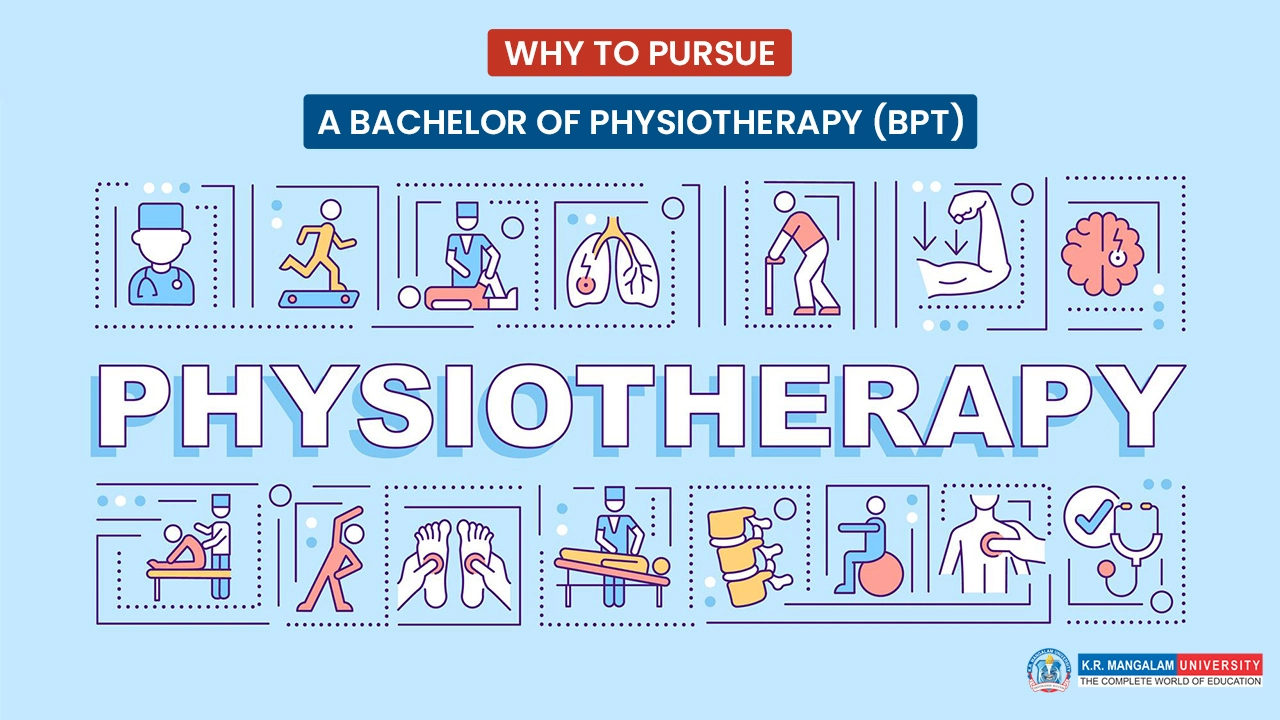
Pursuing a career in Bachelor of Physiotherapy post-12th is now an ideal choice. Wondering why? This course offers a brighter employment prospect compared to many undergraduate programs available after 12th. Notably, BPT degree holders are in high demand in the Health Care sector, not just in India but globally. The frequent launch of new clinics is a testament to this. Opting for this career path ensures substantial job satisfaction through lucrative earnings and client fulfillment, as it centers on rehabilitating society for improved well-being. These factors contribute to the expanding growth and plethora of career opportunities post-BPT. Why pursue a Bachelor of Physiotherapy? Unlock a dynamic career in healthcare with hands-on skills and impactful patient care. Find out more!
Keen to learn more? Dive into this article discussing the bachelor of physiotherapy program.
Quick Glance at the Blog
Below is a concise, tabular overview that summarises the complete information on the Bachelor of Physiotherapy course, its career prospects in India and the KRMU advantage in a structured and easy-to-read format. In short, it is a summarised version of the information provided in the blog.
| Particular |
Detail |
| About the BPT course |
An undergraduate course that focuses on physical rehabilitation, pain relief, and mobility restoration. |
| Demand for Physiotherapy in India |
Ageing population, Rising lifestyle diseases, Focus on Sports-related rehabilitation. |
| Career Prospects |
Physiotherapist, Professor, Osteopath, Self-Employed Private Physiotherapist, Sports Physio Rehabilitator, Therapy Managers, Obstetrics, Neurology, Orthopaedic, Geriatrics, Post-Operative Physiotherapist, Cardiovascular Physiotherapist |
| Higher-studies Post-BPT |
M.P.T. in Cardiovascular & Pulmonary specialities, Community Physiotherapy, Hand Conditions, Neuro-Physiotherapy, Cardiothoracic Physiotherapy, Biomechanics, Sports-Physiotherapy, Musculoskeletal, Ortho-Physiotherapy, Pediatrics, Neurology, Cardio-Pulmonary Physiotherapy, Cardiorespiratory, Community Rehabilitation,
Master’s Degree in Sports Physiotherapy (Hons.) (M.S.P.T.) |
| KRMU for BPT |
Curriculum & Accreditation, Practical Training & Facilities, Experienced Faculty, Career Opportunities |
Bachelor of Physiotherapy Explained
The bachelor of physiotherapy program spans 4 years and includes a 6-month internship. It’s designed to offer an in-depth understanding of physiotherapy’s significance and applications globally. The BPT curriculum thoroughly examines human anatomy, both in health and disease, delving into complex bodily chemical processes. It also covers human psychology and societal influences, incorporating various therapy methods like electrotherapy and exercise therapy as key components of this undergraduate course.
*Click the Link for bachelor of physiotherapy eligibility and Syllabus
Physiotherapy in India: Market Demand
Physiotherapy, once perceived primarily as a massage and exercise field, encompasses diverse roles and responsibilities. Surprisingly, India faces a shortage of physiotherapists. Various conditions such as arthritis, dizziness, golfer’s elbow, breast cancer, vertigo, carpal tunnel syndrome, frozen shoulder, chronic pain syndrome, concussion, and imbalance contribute to this demand. Additionally, rising industrialization and work-related stress leading to mental health issues increase this need. The scarcity of physiotherapy services in schools for mentally and physically challenged children, clinics, hospitals, and nursing homes further underscores the growing need for physiotherapists in India.
Career Prospects Post-BPT
Post-BPT, there are two primary career paths: pursuing higher studies or embarking on a professional journey to enhance skills and knowledge. Let’s delve deeper into the career benefits of a Bachelor in Physiotherapy.
Career Options Post-BPT
Job Profiles The physiotherapy field offers a vast array of job roles. Listed below are some BPT career paths and their respective roles:
- Physiotherapist: Specializes in evaluating, diagnosing, treating, and preventing physical injuries and pains using methods like exercise, massage, and manipulation.
- Professor: After obtaining a Bachelor in Physiotherapy, one can aim to become a professor. This requires a Master’s degree in physiotherapy, research experience, and possibly a specialization or doctorate degree.
- Osteopath: Combines stretching, massage, and joint and spine manipulation to enhance mobility and alleviate pain, while advising on lifestyle changes for better health.
- Self-Employed Private Physiotherapist: Offers independent physical therapy services, focusing on assessment, diagnosis, and treatment of physical dysfunctions and injuries, often working in diverse environments like private practices, hospitals, and sports facilities.
- Sports Physio Rehabilitator: Specializes in treating and preventing sports and exercise-related injuries, providing rehabilitation, and advising on injury prevention.
- Therapy Managers: Oversee therapy services in healthcare settings, ensuring safe, compliant operations, developing clinical protocols, managing budgets, and evaluating therapy effectiveness.
- Obstetrics Physiotherapists: Focus on women’s care during and after pregnancy, offering exercises, posture advice, and assistance with labor and delivery preparation.
- Neurology Physiotherapists: Treat neurological conditions such as stroke and spinal cord injuries, using exercises and manual therapy to improve mobility and coordination.
- Orthopaedic Physiotherapist: Manages musculoskeletal disorders, employing clinical exercises and physical agents to restore movement and function.
- Geriatrics Physiotherapists: Work with the elderly to maintain physical function, reduce pain, and improve life quality, using treatments like exercise programs and joint mobilization.
- Post-Operative Physiotherapist: Assists post-surgery patients in recovery, focusing on regaining strength and mobility through personalized treatment plans.
- Cardiovascular Physiotherapist: Specializes in cardiovascular rehabilitation and prevention, employing exercise, breathing techniques, and manual therapy to enhance heart health and overall well-being.
Career Options After BPT: Higher Studies
Below is the list of master’s courses for higher studies after the Bachelor of Physiotherapy which is concerned with various aspects of physiotherapy.
- M.P.T. (Cardiovascular & Pulmonary specialities)
- M.P.T. (Community Physiotherapy)
- M.P.T. (Hand Conditions)
- M.P.T. (Neuro-Physiotherapy)
- Master’s Degree in Sports Physiotherapy (Hons.) (M.S.P.T.)
- M.P.T. (Cardiothoracic Physiotherapy)
- M.P.T. (Biomechanics)
- M.P.T. (Sports-Physiotherapy)
- M.P.T. (Musculoskeletal)
- M.P.T. (Ortho-Physiotherapy)
- M.P.T. (Pediatrics)
- M.P.T. (Neurology)
- M.P.T. (Cardio-Pulmonary Physiotherapy)
- M.P.T. (Cardiorespiratory)
- M.P.T. (Community Rehabilitation)
Also Read: Top career options in B.sc (Honors) in Forensic science
Bachelor of Physiotherapy Salary
Average starting salaries for Bachelor of Physiotherapy graduates range from 2 to 8 lacs annually, influenced by chosen career field, knowledge, and skill set. Note that compensation also varies with experience and the employing organisation.
WHY KRMU for BPT?
Curriculum & Accreditation
The Haryana State Council of Physiotherapy has approved the BPT programme. The curriculum, which emphasises both academic understanding and practical abilities in fields including orthopaedics, neurology, and sports physiotherapy, was created in conjunction with professionals in the field.
Practical Training & Facilities
Students get access to advanced, cutting-edge labs that are furnished with contemporary fitness equipment and electrotherapy. The curriculum requires internships and places a strong emphasis on early clinical exposure.
Experienced Faculty
The institution is home to highly skilled instructors who mentor and advise students via seminars, workshops, and research projects.
Career Opportunities
Excellent internship and placement opportunities are offered by KRMU, which has strong connections to major healthcare institutes. Graduates work as researchers, rehabilitation specialists, sports physiotherapists, and clinical physiotherapists.
Conclusion
The BPT, a 4.5–5 year undergraduate program, is more than just an academic accomplishment; it is an essential step toward mastering the science of human movement and rehabilitation. Graduates become competent, self-assured professionals prepared to truly improve patients’ lives by fusing in-depth theoretical knowledge—such as anatomy, physiology, and kinesiology—with practical, hands-on clinical training.
Also Read: How to prepare for the CUET UG exam? Benefits, Syllabus and Study Material
FAQs
Is studying Bachelor of Physiotherapy difficult?
There is no such thing as an easy or tough course; it all relies on your personal interests. A bachelor's degree in physiotherapy is a professional degree, thus it's unfamiliar territory for an intermediate student. It appears challenging at first, but once you've accustomed to the surroundings and curriculum, it becomes easy for you.
What is the average salary package of a Bachelor of Physiotherapy fresher?
A physiotherapist in a hospital earns at least Rs. 3 to 4 lakhs per year.
Is BPT good for females?
Due to its work schedule and numerous employment opportunities, BPT is one of the most challenging courses for female students. It's ideal for ladies since they may work as consultants for any orthopaedic surgeon or doctor, or they can open their own clinic where they can work for 3-4 hours and earn a high wage.
Is a Career in physiotherapy valued?
A career in physiotherapy is definitely valued because of the increased demand in the healthcare industry which offers students a chance to pursue their career in physiotherapy.
What do physiotherapists exactly do?
Physiotherapists are those who have been professionally trained to offer physiotherapy treatment. To treat chronic disorders of the bones and soft tissues, this discipline employs a variety of techniques such as electrotherapy, exercise prescription, and shockwave mobility.




 13 Schools700+ Faculty Members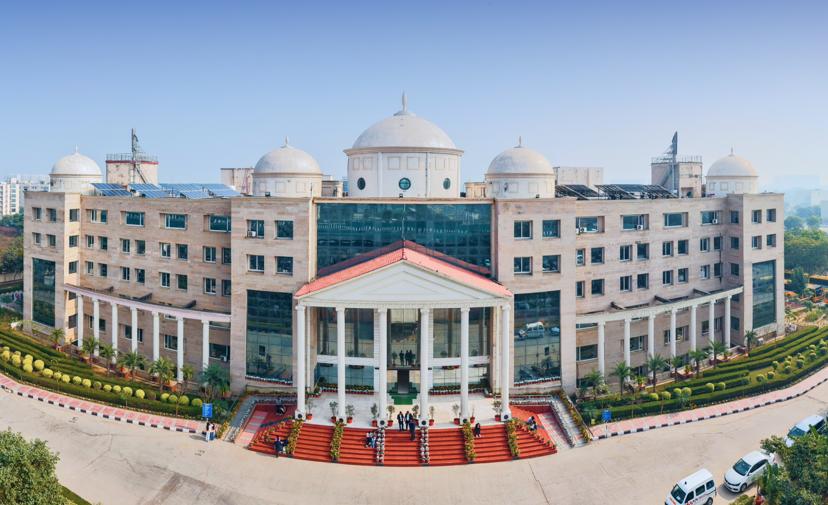












 13+Years of Educational Experience