Choosing the right professional course after graduation plays a vital role in shaping your career, especially if you aspire to enter the education sector. Teaching is a respected and impactful profession, and building a strong foundation is essential before stepping into the classroom.
B.Ed Course Details: The Bachelor of Education is built for graduates who want to teach, not just learn about teaching in theory. Educational theory forms one half of it. Practical training fills the other. Together they help students understand classroom dynamics, pick up teaching methodologies, and learn how learners develop. Before applying anywhere, candidates should dig into the course details properly. Eligibility. Duration. Syllabus. Fees. Career opportunities. All of it needs to be checked first.
Apart from academic education, students can explore many other career opportunities after completing the course. But before discussing career opportunities, let’s understand the B Ed Course in detail.
Overview
| Sections |
Descriptions |
| B.Ed. Course Details |
Bachelor of Education (B.Ed.) is a professional degree designed to prepare graduates for teaching and academic roles through theoretical and practical training. |
| B.Ed. Course Eligibility |
Candidates must have completed a bachelor’s or master’s degree with the minimum marks required by the university. |
| B.Ed. Course Fees |
Course fees vary depending on the institution; fee structure is generally based on facilities, faculty, and academic resources provided. |
| B.Ed. Course Syllabus & Subjects |
Subjects include Understanding Disciplines and Subjects, Contemporary India and Education, etc. |
| Career Options After B.Ed. |
Teacher, Educational Administration, Curriculum Developer/Instructional Designer, etc. |
| B.Ed. at K.R. Mangalam University (KRMU) |
KRMU offers a comprehensive B.Ed. programme with experienced faculty, practical teaching exposure, and student-focused learning. |
| Conclusion |
A B.Ed. degree builds strong teaching skills and opens diverse career opportunities in the education field. |
B.Ed. Course Details
B.Ed. exists as a professional degree, and its purpose stays clear. Prepare graduates for teaching and related roles in education. The programme usually runs for two years, split across four semesters. Theoretical learning takes up part of that time. Real school experience fills the rest. Once graduates finish, some move toward further studies. Others step straight into education sector roles, depending on where their interests and eligibility actually line up.
B.Ed. Course Eligibility
Before applying for the B Ed course, candidates must be aware of the eligibility criteria of the course. The B Ed Programme eligibility criteria include, a candidate must pass 12+ from any stream Arts, Science, or Commerce).
Apart from the eligibility criteria, there is a course age limit set. However, there is no age limit in India but some universities have an age limit ranging from 21 to 35.
B.Ed. Course Fees
The b ed Programme fees vary significantly depending on the location, university, facilities and reputation. On average, the private university course fees range from ₹70,000 to ₹2 lakh per year. On the other hand, the government colleges range from ₹50,000 to ₹3,00,000 per year.
Apart from the annual fees, some other charges include examination fees, library fees, and other miscellaneous charges. Some private Universities like K.R. Mangalam offer scholarships to deserving students.
B.Ed. Course Syllabus & Subjects
It is a 2-year undergraduate course to help students to become teachers. Several colleges offer B Ed courses like IGNOU, JMI, JNU, KRMU, etc. Each college has a different B Ed programme syllabus and curriculum. The course is divided into 4 semesters, at KRMU the B Ed course syllabus includes:
Semester1
- Childhood and Growing Up
- Basic Concepts and Thoughts in Education
- Language Across the Curriculum
- Understanding Disciplines and Subjects
- Open Elective
- EPC 1: Reading and Reflecting on Texts
- School Exposure
Semester2
- Contemporary India and Education
- Assessing Learners and Learning
- Knowledge and Curriculum
- Communication in Teaching-Learning Process
- EPC 2: Arts in Education
- School Attachment Programme and Community Living
- Pedagogy of School Subject-I
- Pedagogy of School Subject-II
Semester3
- School Internship-I
- School Internship-II
Semester4
- Gender, School and Society
- Creating an Inclusive School
- Environmental Education
- EPC 3: Physical, Health and Yoga Education
- EPC 4: Understanding the Self
- EPC 5 Understanding ICT and Its Application
- Disaster Management
- Value-Added Course
Career Options After B.Ed.
After earning the b ed degree, graduate students can pursue various career options. There are the following options available for B.Ed graduates.
Teacher
Teaching is the most common path students choose after completing the b ed course. It depended on students’ preference for which subject knowledge he/she chose for teaching. B Ed students can apply for teaching jobs at the elementary, secondary, or high school levels with a B.Ed.
Educational Administration
Other than teaching, education administration is a great career prospect for BED graduates. The role involves managing educational programmes, supervising staff and maintaining a smooth operation in educational institutions.
Curriculum Developer/Instructional Designer
After earning the B Ed degree, students can work as curriculum developers or instructional designers. In this job, you have to collaborate with publishers and educational technology companies to make or update the curriculum materials of textbooks.
Education Consultant
Education consultant is also a promising career, providing advice and expertise in various areas like curriculum development, pedagogy, educational technology, assessment, and school improvement.
Education Entrepreneur
The education entrepreneur’s job role includes the development of skills and competencies valuable in both their personal and professional lives. The role required creative and critical thinking skills to solve problems.
B.Ed. at K.R. Mangalam University (KRMU)
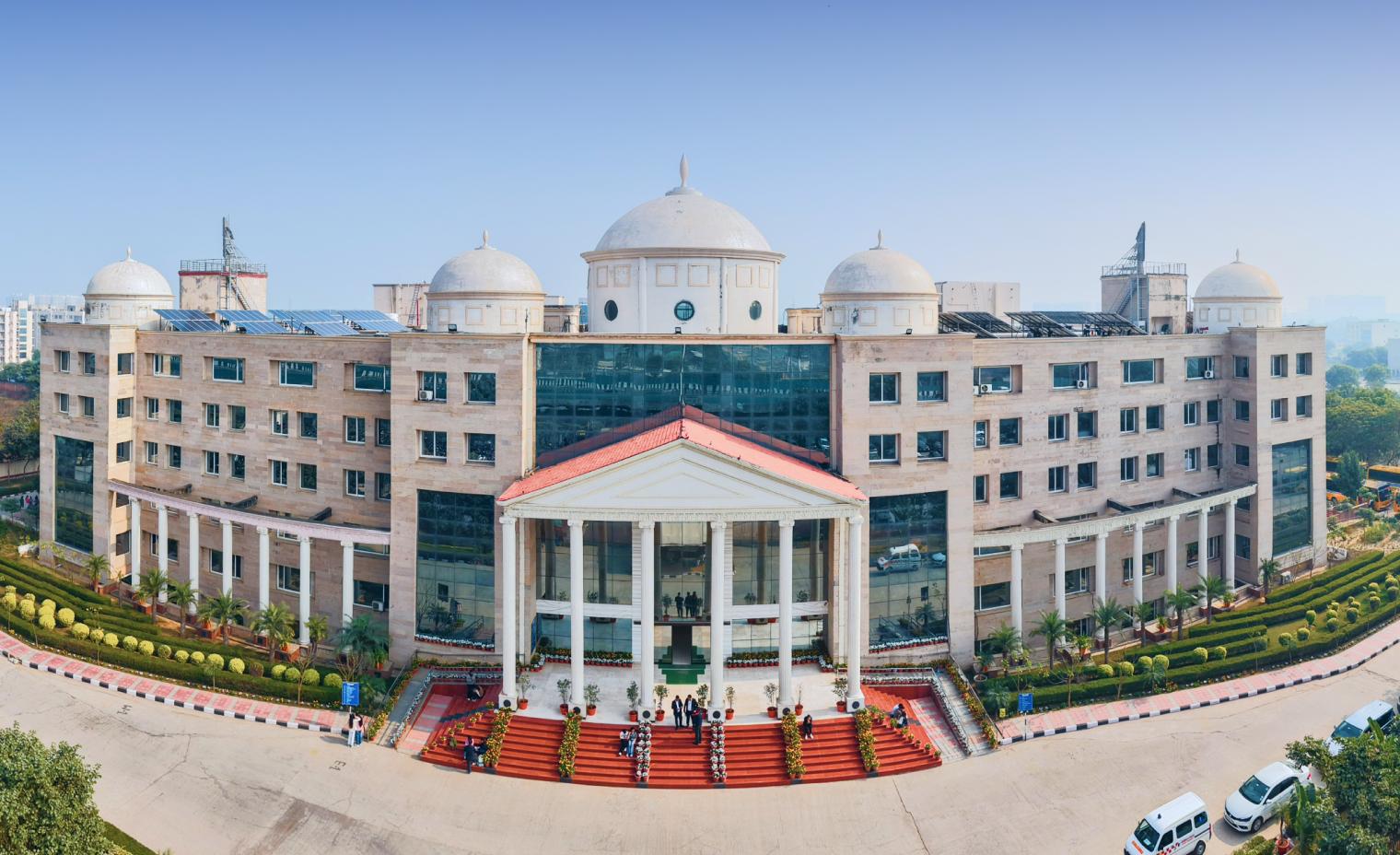
K.R. Mangalam University runs its own B.Ed. programme, built for graduates who see themselves heading into teaching and education related careers. Pedagogical understanding sits at the center of it. Classroom readiness does too. Prospective applicants have plenty to investigate before applying. The curriculum. Admission requirements. Practical training components. Current fee details. Better to check all of it upfront than run into surprises later.
At KRMU, students benefit from:
- Experienced Faculty: Expert educators who guide students through modern teaching methodologies.
- Hands-on Training: Regular school internships, teaching practice, and classroom simulations to build real teaching confidence.
- Modern Learning Facilities: Smart classrooms, well-equipped labs, and a comprehensive library to support academic growth.
- Strong School Collaborations: Partnerships with reputed schools for internships and placements.
KRMU’s B.Ed. programme aims to create competent, compassionate, and future-ready teachers who can excel in both public and private educational institutions.
Conclusion
Pursuing B Ed Programme opens a gateway to a fulfilling career in teaching. During study, students learn and develop teaching knowledge and skills that excel in the classroom. Apart from the study, students must also consider some crucial aspects like B Ed details, eligibility, duration, college and syllabus.
K.R. Mangalam University’s B.Ed. programme provides the perfect foundation for aspiring teachers, combining strong academic learning with practical school experience. WKRMU prepares students to become skilled, confident, and impactful educators ready to excel in today’s evolving education landscape.
FAQs
Following are some of the most common questions of students on B Ed:
Why choose a B.Ed. course?
It is a professional undergraduate course and it’s the first step for students to enter the teaching profession. It equips students with all the necessary knowledge and skills required in the teaching profession.
What are the eligibility criteria for the B.Ed. course in India?
The eligibility criteria include, a candidate must pass 12+ from any stream Arts, Science, or Commerce).
What are the fees for a B.Ed. course?
The course fees vary significantly depending on various factors like the location, university, facilities and reputation. On average, the private university B Ed fees range from ₹70,000 to ₹2 lakh per year.
What career options are available to graduates after completing a B.Ed. degree, apart from becoming a teacher?
After earning the B Ed degree, students can go in the following fields:
Teacher, Educational Administration, Curriculum Developer/Instructional Designer, Education Consultant, Education Entrepreneur




 13 Schools700+ Faculty Members













 13+Years of Educational Experience