Embarking on a b tech computer science or Bachelor of Technology (B.Tech) in Computer Science (CS) is more than just an academic choice; it’s a stepping stone to a future filled with possibilities. The course teeming with innovation and opportunities beckons those with a passion for technology and problem-solving.
To understand the course, this comprehensive guide will explore what B.Tech in CS entails its eligibility criteria and the exciting journey through its syllabus.
What is a B.Tech in Computer Science?
B.Tech in computer science is 4 years of undergraduate course that is designed to offer an in-depth knowledge of computers and their applications. The course is a harmonious blend of practical skills and theoretical knowledge of computers and their applications. It equips students with all the basic skills to advance knowledge that helps them to design, implement, and manage both software and hardware systems.
B.Tech CSE: A Blend of Theory and Practical Innovation
As compared to the other computer programs, the B.tech CSE is distinctively apart because it’s designed beyond traditional education. The course offers a dynamic blend of practical work, computer projects and applications-based learning. As a result, after completing the course, students are not just academically proficient but also industry-ready.
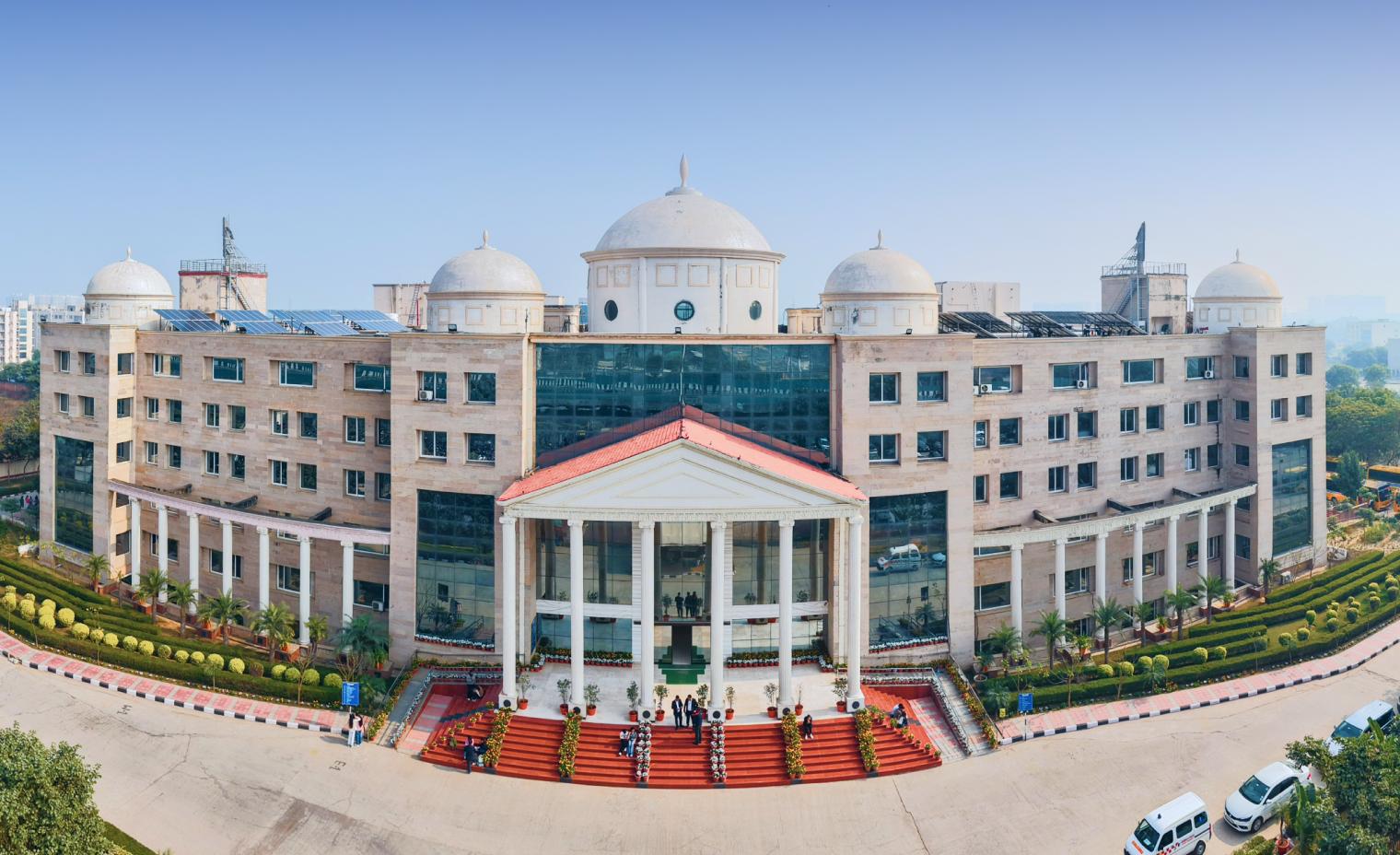
At K.R. Mangalam University, the program immerses students in practical scenarios where they can learn and apply theoretical and practical concepts in computer labs. In computer science labs, students learn different aspects of computer science. It includes basic programming labs to advanced computer networks.
These labs are well equipped with all the necessary technology where students can have hands-on experience in understanding the real-world usage of computer science applications.
Along with the course, students will also get live projects which is a core component of the B.Tech CSE curriculum. It encourages students to know the real-life scenario so that they can build their skills as per the industry requirements.
Also, the university curriculum includes internship and industry training so that students are job-ready after completing the b tech computer science. These two aspects of the course build an instrument for bridging the gap between industry-ready and theoretical-ready students. With such a curriculum, students are ready to explore academic learning in practical settings.
Eligibility Criteria for B.Tech in Computer Science
To pursue a career in B.Tech in computer science, students are required to pass the eligibility criteria to ensure they are well prepared for this rigorous comprehensive program. These criteria are fixed whether it’s a government college or a private college. Typically, the eligibility of this course includes:
1. 10+2 Qualification with Core Subjects
Prospective students who want to pursue a career in B.Tech in CSE must possess a higher education (10+2) or its equivalent to any recognized board. The main subjects should be physics, maths and chemistry. The fourth subject could either be Biology or computer science, however, computer science students have an extra edge as they can have basic knowledge of computer applications.
2. Minimum Percentage in 10+2
The minimum percentage criteria for the Btech course set by the colleges and universities in India vary. However, the average tech computer science eligibility set by the university and colleges ranges from 50% to 70%. The criteria ensure that students who want to pursue a career in B.tech cse have a strong academic background that is essential for coping with the academic requirements.
3. Qualification in Relevant Entrance Exams
For admission to government colleges, students need to pass the minimum percentage criteria (at least 50%) in 10+2 with PCM subjects. Eligibility is the first step, next and the most important step is the exams, such as the Joint Entrance Examination (JEE) Main, BITS Admission Test (BITSAT), or state-level engineering entrance exams.
These exams evaluate the candidate’s aptitude in mathematics, physics, chemistry, and sometimes logical reasoning. Passing these exams will ensure you a seat in the government colleges and the score determines the likelihood of securing admission to a reputed institution.
4. Additional Criteria for Some Institutions
Some other additional criteria for the course admissions required age limits, nationality requirements and other specification qualifications for international students.
5. Entrance Exams Preparation
To pass the competitive examination, many students undertake rigorous preparation after the 10th. They take admission to coaching classes or bought competition preparation books to follow self-study regimes. These preparation methods are very helpful for students to understand the exam pattern, mastering time management, and strengthening subject knowledge.
6. Counselling and Seat Allocation
Even after passing the eligibility criteria and qualifying for the entrance exams, students usually follow a counselling process to secure seat allocation in various Bachelor of Technology (B.Tech) colleges. The process includes the entrance exam ranks, preferences and board exam scores.
Read More Blogs:
Also Read: What to do after BTech CSE
Dive into the B.Tech CSE Syllabus
The curriculum of B.Tech CSE is meticulously designed for young aspirant students who want to build their careers in the vast domain of computer science and engineering. It’s a journey where students go through various facets of computing, from the basic concepts to advanced technologies. Let’s break down the btech cse syllabus year by year:
– Year 1: In the first year, students get to know the basic engineering concepts and learn subjects like Engineering Mathematics and physics, and Introduction to Computers sets the stage.
– Year 2: In the second year, the focus shifts from basic computer to core computer science subjects. These core subjects help students to encounter Data Structures, Algorithms, Database Management Systems, and more.
– Year 3 and 4: After knowing the core subjects of computer science, the third and fourth years are about advanced learning and specialization. In these final years, students will get to know the advanced level of programs like Artificial Intelligence, Machine Learning, and Cloud Computing. These subjects will help them to choose a career in such industries.
Conclusion
Pursuing a Bachelor of Technology (B.Tech) computer science degree is not just a journey of excellence but gives you a pathway to help you in this ever-evolving tech world. B.Tech in Computer Science is a complete course that helps students make them more creative and technology-friendly. In short, if you’re at the crossroads of making a career choice, consider B.Tech in CS. It’s more than just a degree–it’s a gateway to the future of technology.




 13 Schools700+ Faculty Members













 13+Years of Educational Experience