How to Build a Career in Fashion Designing? The initial step is to acquire a degree in Fashion Designing or a Diploma. It’s your choice whether you want a degree or a diploma. Is it necessary? Yes, because it’ll give you a comprehensive understanding of design principles, fashion industry knowledge, and practical skills. Furthermore, you’ll get opportunities for networking, internships, and exposure to industry professionals. This educational foundation enhances job prospects, facilitates creativity, and equips with the necessary expertise to excel in the fashion design field.
Fashion is a constantly evolving form of self-expression through clothing, accessories, and personal style. It encompasses trends, cultural influences, and individual creativity, reflecting societal values and aesthetics. Fashion empowers individuals to communicate their identity, make statements, and embrace the ever-changing world of aesthetics.
What is Fashion Designing
Fashion designing is the creative art and profession of creating original and innovative clothing and accessories. It involves conceptualizing, sketching, and bringing designs to life through fabric selection, pattern-making, sewing, and embellishment techniques. Fashion designers combine their artistic vision with technical skills to create unique and marketable fashion collections.
Is fashion designing a good career in india? Yes, Fashion design is a promising career in India. fashion is a growing industry with cultural diversity, and demand for innovative designs. It offers opportunities for creativity, entrepreneurship, and recognition in the flourishing Indian fashion market. In addition, the fashion designer career in india is a high-paying one as you might know. However, one must have mastered the essential skills of a fashion designer which are written below.
Skills of a Fashion Designer
1. Creative-Mindset
Fashion designers need a strong sense of creativity to generate unique and appealing designs that stand out in the industry.
2. Fashion knowledge
A deep understanding of fashion trends, and historical influences, and the ability to anticipate future trends is crucial for a fashion designer.
3. Drawing and Sketching
Proficiency in drawing and sketching is essential to translate design ideas onto paper or digitally, effectively communicating the vision to others.
4. Sewing and Pattern-Making
A solid grasp of sewing techniques, fabric manipulation, and pattern-making is important for creating prototypes and bringing designs to life.
5. Colour and Fabric Knowledge
Fashion designers should possess a keen eye for colour combinations and an understanding of different fabric types, textures, and their properties.
6. Detailed Oriented
Precise attention to detail ensures the quality and accuracy of designs, patterns, and finished garments.
7. Trend Forecasting
The ability to analyze and predict fashion trends enables designers to stay ahead in the industry and create collections that resonate with the target audience.
8. Communication and Collaboration
Effective communication skills are essential for working with clients, manufacturers, and team members, as well as collaborating with professionals like stylists, photographers, and models.
9. Technical Skills
Proficiency in fashion design software, such as Adobe Illustrator or CAD (computer-aided design), is valuable for creating digital designs and technical drawings.
10. Business acumen
Understanding the business side of the fashion industry, including marketing, branding, and merchandising, is important for success as a fashion designer.
11. Adaptability and Time Management
Fashion designers must be able to work under pressure, meet deadlines, and adapt to changing demands and trends in the fast-paced fashion industry.
12. Knowledge of Garment Construction
A solid understanding of garment construction techniques and fitting is necessary to ensure the practicality and functionality of designs.
Achieve these above-mentioned fashion expertise by pursuing B.A. Fashion Design
Types of Fashion Styles
Fashion styles encompass a vast array of expressions, from timeless classics to trendy and edgy looks. They reflect personal taste, cultural influences, and societal trends, allowing individuals to express their unique personalities through clothing and accessories.
1. High Fashion
Also known as haute couture, high fashion represents luxurious, exclusive, and often extravagant designs created by top fashion designers for high-end clientele and fashion shows.
2. Street Fashion
Influenced by urban culture, street fashion is characterized by casual, trendy, and individualistic styles often inspired by music, subcultures, and streetwear brands.
3. Casual Fashion
Casual fashion is comfortable and relaxed, focusing on everyday wear and practicality. It includes items like jeans, t-shirts, sneakers, and versatile clothing suitable for informal occasions.
4. Vintage Fashion
Vintage fashion refers to clothing and accessories from previous decades that are highly valued for their uniqueness, nostalgia, and retro appeal. It can include various eras, such as the ’50s, ’60s, ’70s, and beyond.
5. Bohemian fashion
Bohemian or boho fashion draws inspiration from the free-spirited, artistic, and unconventional lifestyle. It embraces loose, flowing silhouettes, natural fabrics, earthy colours, and eclectic patterns.
6. Formal fashion
Formal fashion encompasses elegant and sophisticated attire suitable for special occasions like black-tie events, galas, and weddings. It includes evening gowns, tuxedos, formal suits, and accessories like ties and bowties.
7. Sportswear fashion
Sportswear fashion, also known as athleisure, combines elements of athletic wear and casual fashion. It emphasizes comfort, functionality, and a sporty aesthetic, often incorporating activewear pieces into everyday outfits.
8. Avant-garde fashion
Avant-garde fashion pushes the boundaries of traditional fashion norms, experimenting with unconventional designs, materials, and concepts. It often challenges societal norms and seeks to provoke thought and artistic expression.
9. Minimalist fashion
Minimalist fashion is characterized by simplicity, clean lines, and a focus on essential elements. It embraces neutral colours, understated designs, and a less-is-more approach to styling.
10. Ethical and sustainable fashion
Ethical and sustainable fashion promotes environmentally and socially conscious practices throughout the fashion industry. It emphasizes eco-friendly materials, fair labour conditions, and responsible production and consumption.
Career Opportunities in the Fashion Industry
The fashion industry offers a wide range of career opportunities across various sectors. Here are some prominent career paths within the fashion industry:
1. Fashion Designer
A fashion designer career in india revolves around creating and developing original clothing and accessory designs for brands, haute couture houses, or independent labels.
2. Fashion Illustrator
Use artistic skills to create fashion sketches, drawings, and illustrations for design presentations, magazines, advertisements, or fashion blogs.
3. Fashion Buyer
Select and purchase merchandise for retail stores or fashion brands based on market analysis, trend forecasting, and consumer demand.
4. Fashion Stylist
A career in fashion designing as a fashion stylist is about curating and creating visually appealing outfits for individuals, fashion shoots, editorials, celebrities, or events.
5. Fashion Merchandiser
Plan and execute product strategies, assortment planning, and visual merchandising for retail stores or fashion brands.
6. Fashion Photographer
Capture and create compelling fashion images for editorial features, advertising campaigns, or e-commerce platforms.
7. Fashion Writer or Editor
Write articles, reviews, and features on fashion trends, designers, and industry news for magazines, websites, or blogs.
8. Fashion PR and Marketing
Promote fashion brands, coordinate fashion shows, manage public relations, or develop marketing campaigns to enhance brand awareness and drive sales.
9. Fashion Retail Manager
Oversee the operations of retail stores, including sales management, inventory control, visual merchandising, and customer service.
10. Fashion Product Developer
Collaborate with designers, manufacturers, and suppliers to develop and produce fashion products, ensuring quality, cost-effectiveness, and timely delivery.
11. Fashion Forecasting Analyst
Analyze market trends, consumer behaviour, and fashion data to predict and forecast future fashion trends and assist brands in making informed decisions.
12. Fashion Tech and E-commerce
Explore opportunities in fashion technology, such as fashion e-commerce, digital marketing, social media management, or fashion app development.
13. Fashion Consultant or Personal Stylist
Provide fashion advice, wardrobe consultations, or personal shopping services to clients seeking to enhance their personal style.
14. Fashion Educator
Teach fashion design, merchandising, styling, or other related subjects at educational institutions or conduct workshops and seminars.




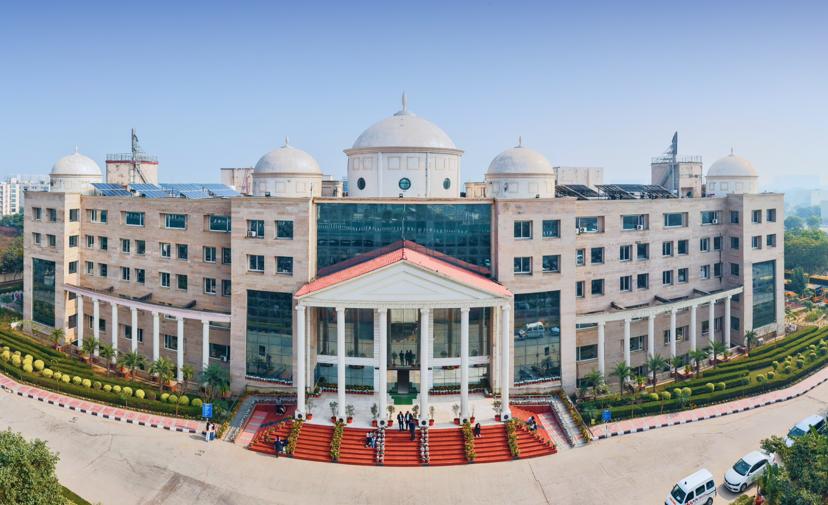
 13 Schools700+ Faculty Members












 13+Years of Educational Experience