Copy & Paste Below SCRIPT before the close of body tag
cyber security course in india

Cyber Security Course in India – What Students Should Know

December 9, 2025

Cyber threats are rapidly increasing and this makes cybersecurity one of the most crucial and in-demand fields today. With organisations depending heavily on digital systems, the need for skilled cybersecurity professionals has grown exponentially. Pursuing a cybersecurity course in India equips students with the technical skills and practical expertise. They are required to protect networks, systems, and data from cyberattacks. In this blog, we explore the best cyber security courses in India, fees, duration, and career prospects. We will also discuss why choosing a reputable university for this course matters.

What is a Cyber Security Course?

The practice of defending programmes, networks, and systems from online threats is known as cybersecurity. These assaults often target sensitive data access, alteration, or destruction; ransomware that demands money from users; or disruption of regular corporate operations.

Since in today’s time there are more gadgets than humans and because cyber attackers are getting more creative, it is very difficult to implement effective cybersecurity measures today.

In a successful cybersecurity setup, several layers of protection are distributed throughout the computers, networks, programs, or data that one wishes to keep safe. A single threat management gateway system helps speed up critical security operations tasks like detection, investigation, and remediation while automating product integrations. For a cyberattack defence to be effective, people, procedures, and technology must all work together.

A cyber security course in India teaches how to protect computer systems, networks, and data from cyber threats and unauthorised access. If people want to enter this domain then they need to complete this course. 

Best Cyber Security Courses in India

Below are some of the best cyber security courses in India: 

  • B.Tech in Computer Science with Cyber Security
  • BCA Cyber Security
  • B.Sc Cyber Security
  • M.Sc Cyber Security / Information Security
  • Cyber Forensics Courses
  • Ethical Hacking & Advanced Penetration Testing

Cyber Security Course Duration in India

  • Undergraduate degree: 3–4 years
  • Postgraduate degree: 2 years
  • Diploma/Certification courses: 6 months – 1 year

Cyber Security Course Fees in India

Typical fee range:

  • UG courses: Rs 1,50,000 – Rs 3,50,000 per year
  • PG courses: Rs 1,00,000 – Rs 2,50,000 per year
  • Diplomas/Certifications: Rs 20,000 – Rs 1,00,000

Factors affecting fees:

  • University type (private, public, deemed)
  • Labs & infrastructure
  • Industry exposure & placement support

Also Read: Decoding B.Sc (Hons.) Cyber Security Programme

Benefits of Cyber Security Course in India

Here are the benefits of cyber security course in India:

Safeguarding Personal Data

Every day, people divulge sensitive information online. Social media posts and bank account details fall under this category. Using your cybersecurity knowledge, you can defend this data against hackers and cybercriminals. To protect your data, you can take pre-emptive measures. By understanding how cyber threats function, you can keep your online presence secure.

Improving Employment Prospects

Cybersecurity experts are in great demand. Companies and organisations are searching for certified cybersecurity experts. They do this because they know how crucial it is to protect their digital assets. By being proficient in cybersecurity, you can work as an ethical hacker, cybersecurity consultant, etc. These positions offer stability in the workplace and good remuneration.

Participating in National and International Security

Cybersecurity includes protecting personal data as well as national and international security. Governments and organisations rely on cybersecurity specialists to safeguard critical infrastructure, such as power grids, transportation networks, and communication systems. By protecting these vital systems from intrusions, a career in cybersecurity may greatly contribute to society’s safety and stability. 

Reducing Monetary Losses

Cyberattacks may cause significant financial damages for both people and businesses. You can prevent these assaults and eventually save money by learning about cybersecurity. Whether it’s protecting your own money from identity theft or helping a company prevent costly data breaches, cybersecurity knowledge is a powerful tool in lowering financial risks. 

Improving Your Ability to Solve Problems

In the field of cybersecurity, critical thinking and problem-solving abilities are crucial. As you identify problems and come up with fixes, you refine your problem-solving skills. These skills may be used in a wide range of businesses and everyday situations, boosting your efficiency and flexibility. 

Keeping Up with Technological Developments

Technology and the methods used by cybercriminals are always evolving. By studying cybersecurity, you can stay up to date on the latest advancements in technology and security trends. By predicting and preventing emerging threats, you can remain ahead of the ever-changing digital ecosystem. 

Developing a Fulfilling Career

A career in cybersecurity is rewarding and profitable. Knowing that your work shields individuals, businesses, and nations against cyber threats provides you a sense of satisfaction and purpose. Since there are many opportunities for growth and specialisation in the sector, you may tailor your career path to your interests and skills. 

Encouraging Others

If you are well-versed in cybersecurity, you may instruct others on safe online conduct. Whether you’re teaching classes for your community or helping friends and family with data protection, your expertise could help individuals effectively and safely navigate the digital world. 

Promoting Innovation

Cybersecurity experts are crucial to fostering innovation. By ensuring the security of digital platforms and services, they create a safe environment for technological advancements. By encouraging companies to develop new products and services, this security fosters innovation and economic advancement. 

Acquiring a Competitive Advantage

In today’s workplace, having cybersecurity skills gives you a competitive edge. Employers prefer candidates who can assist in safeguarding their digital assets. Even if you’re not interested in a career in cybersecurity, having these skills on your resume might make you stand out as a candidate in a number of fields, such as banking and IT. 

Getting Into a Successful Community

The cybersecurity community is vibrant and supportive. Working in this field allows you to become part of a team of professionals that are dedicated to improving digital security. By using the networking, collaboration, and continuing education possibilities our community offers, you may remain engaged and driven in your career.

Recognising the Value of Privacy

The importance of privacy as a fundamental right is emphasised in cybersecurity education. Knowing how to protect your privacy online can help you become an advocate for this crucial aspect of digital life. With this knowledge, you can make educated decisions about what information you share and how you interact with online services.

Flexibility in a Range of Roles

Cybersecurity skills may be used to many different organisational tasks due to their high degree of flexibility. Understanding cybersecurity enhances your ability to contribute to several aspects of a business, including IT departments and CEO positions. Your flexibility makes you an excellent asset in any workplace. 

Encouraging Remote Work

The rise in remote work has made strong cybersecurity measures more crucial than ever. By enabling and protecting remote work environments, you can guarantee that employees can operate safely from any place by being aware about cybersecurity. In today’s flexible and evolving workplace, this competency is crucial. 

Creating a Worldview

Gaining knowledge about cybersecurity gives you a more thorough grasp of how different countries and businesses handle the global issue of cyberattacks. This global view improves your understanding of international security protocols and makes it possible for you to see how interconnected our digital world is. 

Promoting Lifelong Education

Cybersecurity is a subject that requires constant learning. As technology develops and new threats emerge, it is essential to be aware and current. Maintaining your professional relevance and effectiveness while keeping your skills current is ensured by your commitment to lifelong learning. 

Developing Communication Capabilities

Effective communication is crucial in cybersecurity. When working in a team or explaining complex security concepts to non-technical stakeholders, clear and concise communication is crucial. Learning cybersecurity might help you become a more effective professional and enhance your communication abilities. 

So, here are the benefits of  cyber security course in India.

Career Scope After Cyber Security Course

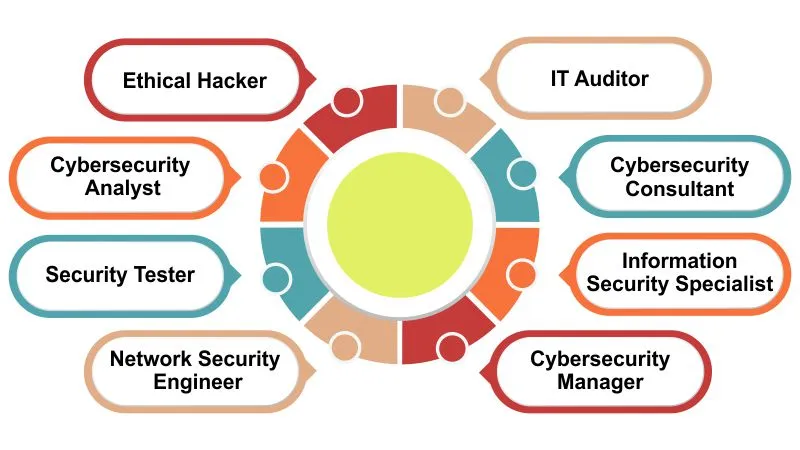
Here are the job opportunities after finishing cyber security course in India:

Ethical Hacker

Before a malevolent actor may discover vulnerabilities, ethical hackers are authorised to do so. Among the responsibilities are:

  • Organising, creating, and executing penetration testing.
  • Reporting test findings and making suggestions to security decision-makers.
  • Engaging in social engineering activities (trying to get staff members to provide private information).
  • Creating scripts to automate some aspects of the testing procedure.
  • Offering technological assistance when managing incidents.

The average yearly wage is Rs 5,00,000.

Cybersecurity Analyst

Cybersecurity analyst defends the companies against illegal access and cyberattacks.  In this position, you’ll probably be required to:

  • Keep an eye out for security vulnerabilities on networks.
  • Provide security goods and methods to computer users.
  • Create plans to aid in the organization’s security.
  • Examine, record, and report security violations.
  • Examine current developments in IT security.

The average yearly wage is Rs 5,00,000.

Security Tester

As a security tester, you strive to keep a company one step ahead of dangers. Among your duties might be:

  • creating and putting into place IT security mechanisms to defend the business organisations’ computer networks from online threats. 
  • Keeping an eye out for security concerns on computer networks.
  • Keeping a record of any security flaws or breaches you discover.
  • Setting up security software.

The average yearly wage is Rs 4,00,000.

Network Security Engineer

Network security engineer creates, implements, and oversees an organisation’s cybersecurity layers. You probably need to be aware of: 

  • Setting up and managing hardware and software linked to networks and security. 
  • Troubleshooting technology and IT infrastructure documentation.
  • Anticipating security risks and adopting preventative measures.
  • Preventing unapproved access from external sources.
  • Networks for stress testing.

The average yearly wage is Rs 6,00,000.

IT Auditor

IT auditors look for any security, efficiency, and compliance problems in the IT infrastructure. Among your typical responsibilities might be:

  • Reporting and presenting audit results together with suggestions for risk reduction.
  • Creating and implementing security patches.
  • Making strategies for infrastructure audits.
  • Looking for ways to increase productivity.
  • Conducting and recording audits.

The average yearly wage is Rs 8,00,000.

Cybersecurity Consultant

As a consultant, you can work with several customers rather than just one organisation. Your work can be more project-focused and short-term. You could be employed to:

  • Work together with internal security teams to address unauthorised intrusions.
  • Conduct audits and assessments of information security compliance.
  • Security systems are measured, designed, and put into action.
  • Create security protocols for the company.

The average yearly wage is Rs 10,00,000.

Information Security Specialist

As a consultant, you can work with several customers rather than just one organisation. Your work can be more project-focused and short-term. You could be employed to:

  • Work together with internal security teams to address unauthorised intrusions.
  • Conduct audits and assessments of information security compliance.
  • Security systems are measured, designed, and put into action.
  • Create security protocols for the company.

The average yearly wage is Rs 7,00,000.

Cybersecurity Manager

Security managers are in charge of a company’s efforts to avoid cyber theft. You could: 

  • Employ cybersecurity personnel.
  • Put security requirements into practice.
  • Discuss security procedures with clients.
  • Oversee a cybersecurity operations budget. 
  • Get the company ready for compliance reporting and audits.

The average yearly wage is Rs 22,00,000.

Here are career opportunities after finishing a cyber security course in India.

Why Choose K.R. Mangalam University (KRMU) for a CyberSecurity Degree in India?

Below are the reasons why aspirants or graduates should select cyber security course in India: 

  • Industry-Aligned Curriculum: Covers ethical hacking, digital forensics, network defence, cloud security, and advanced threat management.
  • State-of-the-Art Cyber Labs: Real-world simulations, hands-on tools, and practical training.
  • Industry Collaborations: Workshops, bootcamps, and mentorship from top cybersecurity experts.
  • Placement Support: Strong partnerships with IT companies, cybersecurity firms, and MNCs.
  • Holistic Learning: Internships, live projects, certifications, and global exposure.

These are the reasons that have made KRMU a great choice for a cyber security course in India.

Conclusion

Cybersecurity is one of the fastest-growing and most secure career fields in India. With the right course, practical training, and industry exposure, students can build a highly rewarding profession in this domain. Whether you are interested in being an ethical hacker, cyber security manager, or an information security specialist, choosing the best cyber security course in India will open doors to exceptional opportunities.

K.R. Mangalam University offers the perfect blend of academic excellence, hands-on training, and placement support, making it a strong choice for cyber security course in India. 

Also Read: Find Types of Cyber Security Courses to Choose in 2025

FAQs

What is a cyber security course in India?

A cyber security course in India trains students in protecting computer systems, networks, and data from cyber threats. It covers ethical hacking, network security, digital forensics, cryptography, and more.

Who can apply for a cyber security course in India?

Anyone who has completed 10+2 with Mathematics/Computer Science or graduates from any stream (for PG courses) can apply. Basic computer knowledge is an added advantage.

What are the fees for a cyber security course in India?

The cyber security course fees in India range from: Certificates/Diplomas: Rs 10,000 – Rs 80,000 UG Degrees: Rs 1,00,000 – Rs 3,00,000 per year PG Degrees: Rs 1,50,000 – Rs 3,50,000 per year

Which institute offers the best cyber security course in India?

Several top universities and institutes provide excellent programmes. Among them, K.R. Mangalam University (KRMU) offers industry-oriented cyber security courses with hands-on labs, expert faculty, and strong placement support.

cyber security course in india

Cyber Security Course in India – What Students Should Know

December 9, 2025

Cyber threats are rapidly increasing and this makes cybersecurity one of the most crucial and in-demand fields today. With organisations depending heavily on digital systems, the need for skilled cybersecurity professionals has grown exponentially. Pursuing a cybersecurity course in India equips students with the technical skills and practical expertise. They are required to protect networks, systems, and data from cyberattacks. In this blog, we explore the best cyber security courses in India, fees, duration, and career prospects. We will also discuss why choosing a reputable university for this course matters.

What is a Cyber Security Course?

The practice of defending programmes, networks, and systems from online threats is known as cybersecurity. These assaults often target sensitive data access, alteration, or destruction; ransomware that demands money from users; or disruption of regular corporate operations.

Since in today’s time there are more gadgets than humans and because cyber attackers are getting more creative, it is very difficult to implement effective cybersecurity measures today.

In a successful cybersecurity setup, several layers of protection are distributed throughout the computers, networks, programs, or data that one wishes to keep safe. A single threat management gateway system helps speed up critical security operations tasks like detection, investigation, and remediation while automating product integrations. For a cyberattack defence to be effective, people, procedures, and technology must all work together.

A cyber security course in India teaches how to protect computer systems, networks, and data from cyber threats and unauthorised access. If people want to enter this domain then they need to complete this course. 

Best Cyber Security Courses in India

Below are some of the best cyber security courses in India: 

  • B.Tech in Computer Science with Cyber Security
  • BCA Cyber Security
  • B.Sc Cyber Security
  • M.Sc Cyber Security / Information Security
  • Cyber Forensics Courses
  • Ethical Hacking & Advanced Penetration Testing

Cyber Security Course Duration in India

  • Undergraduate degree: 3–4 years
  • Postgraduate degree: 2 years
  • Diploma/Certification courses: 6 months – 1 year

Cyber Security Course Fees in India

Typical fee range:

  • UG courses: Rs 1,50,000 – Rs 3,50,000 per year
  • PG courses: Rs 1,00,000 – Rs 2,50,000 per year
  • Diplomas/Certifications: Rs 20,000 – Rs 1,00,000

Factors affecting fees:

  • University type (private, public, deemed)
  • Labs & infrastructure
  • Industry exposure & placement support

Also Read: Decoding B.Sc (Hons.) Cyber Security Programme

Benefits of Cyber Security Course in India

Here are the benefits of cyber security course in India:

Safeguarding Personal Data

Every day, people divulge sensitive information online. Social media posts and bank account details fall under this category. Using your cybersecurity knowledge, you can defend this data against hackers and cybercriminals. To protect your data, you can take pre-emptive measures. By understanding how cyber threats function, you can keep your online presence secure.

Improving Employment Prospects

Cybersecurity experts are in great demand. Companies and organisations are searching for certified cybersecurity experts. They do this because they know how crucial it is to protect their digital assets. By being proficient in cybersecurity, you can work as an ethical hacker, cybersecurity consultant, etc. These positions offer stability in the workplace and good remuneration.

Participating in National and International Security

Cybersecurity includes protecting personal data as well as national and international security. Governments and organisations rely on cybersecurity specialists to safeguard critical infrastructure, such as power grids, transportation networks, and communication systems. By protecting these vital systems from intrusions, a career in cybersecurity may greatly contribute to society’s safety and stability. 

Reducing Monetary Losses

Cyberattacks may cause significant financial damages for both people and businesses. You can prevent these assaults and eventually save money by learning about cybersecurity. Whether it’s protecting your own money from identity theft or helping a company prevent costly data breaches, cybersecurity knowledge is a powerful tool in lowering financial risks. 

Improving Your Ability to Solve Problems

In the field of cybersecurity, critical thinking and problem-solving abilities are crucial. As you identify problems and come up with fixes, you refine your problem-solving skills. These skills may be used in a wide range of businesses and everyday situations, boosting your efficiency and flexibility. 

Keeping Up with Technological Developments

Technology and the methods used by cybercriminals are always evolving. By studying cybersecurity, you can stay up to date on the latest advancements in technology and security trends. By predicting and preventing emerging threats, you can remain ahead of the ever-changing digital ecosystem. 

Developing a Fulfilling Career

A career in cybersecurity is rewarding and profitable. Knowing that your work shields individuals, businesses, and nations against cyber threats provides you a sense of satisfaction and purpose. Since there are many opportunities for growth and specialisation in the sector, you may tailor your career path to your interests and skills. 

Encouraging Others

If you are well-versed in cybersecurity, you may instruct others on safe online conduct. Whether you’re teaching classes for your community or helping friends and family with data protection, your expertise could help individuals effectively and safely navigate the digital world. 

Promoting Innovation

Cybersecurity experts are crucial to fostering innovation. By ensuring the security of digital platforms and services, they create a safe environment for technological advancements. By encouraging companies to develop new products and services, this security fosters innovation and economic advancement. 

Acquiring a Competitive Advantage

In today’s workplace, having cybersecurity skills gives you a competitive edge. Employers prefer candidates who can assist in safeguarding their digital assets. Even if you’re not interested in a career in cybersecurity, having these skills on your resume might make you stand out as a candidate in a number of fields, such as banking and IT. 

Getting Into a Successful Community

The cybersecurity community is vibrant and supportive. Working in this field allows you to become part of a team of professionals that are dedicated to improving digital security. By using the networking, collaboration, and continuing education possibilities our community offers, you may remain engaged and driven in your career.

Recognising the Value of Privacy

The importance of privacy as a fundamental right is emphasised in cybersecurity education. Knowing how to protect your privacy online can help you become an advocate for this crucial aspect of digital life. With this knowledge, you can make educated decisions about what information you share and how you interact with online services.

Flexibility in a Range of Roles

Cybersecurity skills may be used to many different organisational tasks due to their high degree of flexibility. Understanding cybersecurity enhances your ability to contribute to several aspects of a business, including IT departments and CEO positions. Your flexibility makes you an excellent asset in any workplace. 

Encouraging Remote Work

The rise in remote work has made strong cybersecurity measures more crucial than ever. By enabling and protecting remote work environments, you can guarantee that employees can operate safely from any place by being aware about cybersecurity. In today’s flexible and evolving workplace, this competency is crucial. 

Creating a Worldview

Gaining knowledge about cybersecurity gives you a more thorough grasp of how different countries and businesses handle the global issue of cyberattacks. This global view improves your understanding of international security protocols and makes it possible for you to see how interconnected our digital world is. 

Promoting Lifelong Education

Cybersecurity is a subject that requires constant learning. As technology develops and new threats emerge, it is essential to be aware and current. Maintaining your professional relevance and effectiveness while keeping your skills current is ensured by your commitment to lifelong learning. 

Developing Communication Capabilities

Effective communication is crucial in cybersecurity. When working in a team or explaining complex security concepts to non-technical stakeholders, clear and concise communication is crucial. Learning cybersecurity might help you become a more effective professional and enhance your communication abilities. 

So, here are the benefits of  cyber security course in India.

Career Scope After Cyber Security Course

Here are the job opportunities after finishing cyber security course in India:

Ethical Hacker

Before a malevolent actor may discover vulnerabilities, ethical hackers are authorised to do so. Among the responsibilities are:

  • Organising, creating, and executing penetration testing.
  • Reporting test findings and making suggestions to security decision-makers.
  • Engaging in social engineering activities (trying to get staff members to provide private information).
  • Creating scripts to automate some aspects of the testing procedure.
  • Offering technological assistance when managing incidents.

The average yearly wage is Rs 5,00,000.

Cybersecurity Analyst

Cybersecurity analyst defends the companies against illegal access and cyberattacks.  In this position, you’ll probably be required to:

  • Keep an eye out for security vulnerabilities on networks.
  • Provide security goods and methods to computer users.
  • Create plans to aid in the organization’s security.
  • Examine, record, and report security violations.
  • Examine current developments in IT security.

The average yearly wage is Rs 5,00,000.

Security Tester

As a security tester, you strive to keep a company one step ahead of dangers. Among your duties might be:

  • creating and putting into place IT security mechanisms to defend the business organisations’ computer networks from online threats. 
  • Keeping an eye out for security concerns on computer networks.
  • Keeping a record of any security flaws or breaches you discover.
  • Setting up security software.

The average yearly wage is Rs 4,00,000.

Network Security Engineer

Network security engineer creates, implements, and oversees an organisation’s cybersecurity layers. You probably need to be aware of: 

  • Setting up and managing hardware and software linked to networks and security. 
  • Troubleshooting technology and IT infrastructure documentation.
  • Anticipating security risks and adopting preventative measures.
  • Preventing unapproved access from external sources.
  • Networks for stress testing.

The average yearly wage is Rs 6,00,000.

IT Auditor

IT auditors look for any security, efficiency, and compliance problems in the IT infrastructure. Among your typical responsibilities might be:

  • Reporting and presenting audit results together with suggestions for risk reduction.
  • Creating and implementing security patches.
  • Making strategies for infrastructure audits.
  • Looking for ways to increase productivity.
  • Conducting and recording audits.

The average yearly wage is Rs 8,00,000.

Cybersecurity Consultant

As a consultant, you can work with several customers rather than just one organisation. Your work can be more project-focused and short-term. You could be employed to:

  • Work together with internal security teams to address unauthorised intrusions.
  • Conduct audits and assessments of information security compliance.
  • Security systems are measured, designed, and put into action.
  • Create security protocols for the company.

The average yearly wage is Rs 10,00,000.

Information Security Specialist

As a consultant, you can work with several customers rather than just one organisation. Your work can be more project-focused and short-term. You could be employed to:

  • Work together with internal security teams to address unauthorised intrusions.
  • Conduct audits and assessments of information security compliance.
  • Security systems are measured, designed, and put into action.
  • Create security protocols for the company.

The average yearly wage is Rs 7,00,000.

Cybersecurity Manager

Security managers are in charge of a company’s efforts to avoid cyber theft. You could: 

  • Employ cybersecurity personnel.
  • Put security requirements into practice.
  • Discuss security procedures with clients.
  • Oversee a cybersecurity operations budget. 
  • Get the company ready for compliance reporting and audits.

The average yearly wage is Rs 22,00,000.

Here are career opportunities after finishing a cyber security course in India.

Why Choose K.R. Mangalam University (KRMU) for a CyberSecurity Degree in India?

Below are the reasons why aspirants or graduates should select cyber security course in India: 

  • Industry-Aligned Curriculum: Covers ethical hacking, digital forensics, network defence, cloud security, and advanced threat management.
  • State-of-the-Art Cyber Labs: Real-world simulations, hands-on tools, and practical training.
  • Industry Collaborations: Workshops, bootcamps, and mentorship from top cybersecurity experts.
  • Placement Support: Strong partnerships with IT companies, cybersecurity firms, and MNCs.
  • Holistic Learning: Internships, live projects, certifications, and global exposure.

These are the reasons that have made KRMU a great choice for a cyber security course in India.

Conclusion

Cybersecurity is one of the fastest-growing and most secure career fields in India. With the right course, practical training, and industry exposure, students can build a highly rewarding profession in this domain. Whether you are interested in being an ethical hacker, cyber security manager, or an information security specialist, choosing the best cyber security course in India will open doors to exceptional opportunities.

K.R. Mangalam University offers the perfect blend of academic excellence, hands-on training, and placement support, making it a strong choice for cyber security course in India. 

Also Read: Find Types of Cyber Security Courses to Choose in 2025

FAQs

What is a cyber security course in India?

A cyber security course in India trains students in protecting computer systems, networks, and data from cyber threats. It covers ethical hacking, network security, digital forensics, cryptography, and more.

Who can apply for a cyber security course in India?

Anyone who has completed 10+2 with Mathematics/Computer Science or graduates from any stream (for PG courses) can apply. Basic computer knowledge is an added advantage.

What are the fees for a cyber security course in India?

The cyber security course fees in India range from: Certificates/Diplomas: Rs 10,000 – Rs 80,000 UG Degrees: Rs 1,00,000 – Rs 3,00,000 per year PG Degrees: Rs 1,50,000 – Rs 3,50,000 per year

Which institute offers the best cyber security course in India?

Several top universities and institutes provide excellent programmes. Among them, K.R. Mangalam University (KRMU) offers industry-oriented cyber security courses with hands-on labs, expert faculty, and strong placement support.

Recent Post

Error: Contact form not found.

Cyber Security Course in India – What Students Should Know

KRMU Team
KRMU Team
Published On: December 9, 2025
cyber security course in india

Blog Content

Cyber threats are rapidly increasing and this makes cybersecurity one of the most crucial and in-demand fields today. With organisations depending heavily on digital systems, the need for skilled cybersecurity professionals has grown exponentially. Pursuing a cybersecurity course in India equips students with the technical skills and practical expertise. They are required to protect networks, systems, and data from cyberattacks. In this blog, we explore the best cyber security courses in India, fees, duration, and career prospects. We will also discuss why choosing a reputable university for this course matters.

What is a Cyber Security Course?

The practice of defending programmes, networks, and systems from online threats is known as cybersecurity. These assaults often target sensitive data access, alteration, or destruction; ransomware that demands money from users; or disruption of regular corporate operations.

Since in today’s time there are more gadgets than humans and because cyber attackers are getting more creative, it is very difficult to implement effective cybersecurity measures today.

In a successful cybersecurity setup, several layers of protection are distributed throughout the computers, networks, programs, or data that one wishes to keep safe. A single threat management gateway system helps speed up critical security operations tasks like detection, investigation, and remediation while automating product integrations. For a cyberattack defence to be effective, people, procedures, and technology must all work together.

A cyber security course in India teaches how to protect computer systems, networks, and data from cyber threats and unauthorised access. If people want to enter this domain then they need to complete this course. 

Best Cyber Security Courses in India

Below are some of the best cyber security courses in India: 

  • B.Tech in Computer Science with Cyber Security
  • BCA Cyber Security
  • B.Sc Cyber Security
  • M.Sc Cyber Security / Information Security
  • Cyber Forensics Courses
  • Ethical Hacking & Advanced Penetration Testing

Cyber Security Course Duration in India

  • Undergraduate degree: 3–4 years
  • Postgraduate degree: 2 years
  • Diploma/Certification courses: 6 months – 1 year

Cyber Security Course Fees in India

Typical fee range:

  • UG courses: Rs 1,50,000 – Rs 3,50,000 per year
  • PG courses: Rs 1,00,000 – Rs 2,50,000 per year
  • Diplomas/Certifications: Rs 20,000 – Rs 1,00,000

Factors affecting fees:

  • University type (private, public, deemed)
  • Labs & infrastructure
  • Industry exposure & placement support

Also Read: Decoding B.Sc (Hons.) Cyber Security Programme

Benefits of Cyber Security Course in India

Here are the benefits of cyber security course in India:

Safeguarding Personal Data

Every day, people divulge sensitive information online. Social media posts and bank account details fall under this category. Using your cybersecurity knowledge, you can defend this data against hackers and cybercriminals. To protect your data, you can take pre-emptive measures. By understanding how cyber threats function, you can keep your online presence secure.

Improving Employment Prospects

Cybersecurity experts are in great demand. Companies and organisations are searching for certified cybersecurity experts. They do this because they know how crucial it is to protect their digital assets. By being proficient in cybersecurity, you can work as an ethical hacker, cybersecurity consultant, etc. These positions offer stability in the workplace and good remuneration.

Participating in National and International Security

Cybersecurity includes protecting personal data as well as national and international security. Governments and organisations rely on cybersecurity specialists to safeguard critical infrastructure, such as power grids, transportation networks, and communication systems. By protecting these vital systems from intrusions, a career in cybersecurity may greatly contribute to society’s safety and stability. 

Reducing Monetary Losses

Cyberattacks may cause significant financial damages for both people and businesses. You can prevent these assaults and eventually save money by learning about cybersecurity. Whether it’s protecting your own money from identity theft or helping a company prevent costly data breaches, cybersecurity knowledge is a powerful tool in lowering financial risks. 

Improving Your Ability to Solve Problems

In the field of cybersecurity, critical thinking and problem-solving abilities are crucial. As you identify problems and come up with fixes, you refine your problem-solving skills. These skills may be used in a wide range of businesses and everyday situations, boosting your efficiency and flexibility. 

Keeping Up with Technological Developments

Technology and the methods used by cybercriminals are always evolving. By studying cybersecurity, you can stay up to date on the latest advancements in technology and security trends. By predicting and preventing emerging threats, you can remain ahead of the ever-changing digital ecosystem. 

Developing a Fulfilling Career

A career in cybersecurity is rewarding and profitable. Knowing that your work shields individuals, businesses, and nations against cyber threats provides you a sense of satisfaction and purpose. Since there are many opportunities for growth and specialisation in the sector, you may tailor your career path to your interests and skills. 

Encouraging Others

If you are well-versed in cybersecurity, you may instruct others on safe online conduct. Whether you’re teaching classes for your community or helping friends and family with data protection, your expertise could help individuals effectively and safely navigate the digital world. 

Promoting Innovation

Cybersecurity experts are crucial to fostering innovation. By ensuring the security of digital platforms and services, they create a safe environment for technological advancements. By encouraging companies to develop new products and services, this security fosters innovation and economic advancement. 

Acquiring a Competitive Advantage

In today’s workplace, having cybersecurity skills gives you a competitive edge. Employers prefer candidates who can assist in safeguarding their digital assets. Even if you’re not interested in a career in cybersecurity, having these skills on your resume might make you stand out as a candidate in a number of fields, such as banking and IT. 

Getting Into a Successful Community

The cybersecurity community is vibrant and supportive. Working in this field allows you to become part of a team of professionals that are dedicated to improving digital security. By using the networking, collaboration, and continuing education possibilities our community offers, you may remain engaged and driven in your career.

Recognising the Value of Privacy

The importance of privacy as a fundamental right is emphasised in cybersecurity education. Knowing how to protect your privacy online can help you become an advocate for this crucial aspect of digital life. With this knowledge, you can make educated decisions about what information you share and how you interact with online services.

Flexibility in a Range of Roles

Cybersecurity skills may be used to many different organisational tasks due to their high degree of flexibility. Understanding cybersecurity enhances your ability to contribute to several aspects of a business, including IT departments and CEO positions. Your flexibility makes you an excellent asset in any workplace. 

Encouraging Remote Work

The rise in remote work has made strong cybersecurity measures more crucial than ever. By enabling and protecting remote work environments, you can guarantee that employees can operate safely from any place by being aware about cybersecurity. In today’s flexible and evolving workplace, this competency is crucial. 

Creating a Worldview

Gaining knowledge about cybersecurity gives you a more thorough grasp of how different countries and businesses handle the global issue of cyberattacks. This global view improves your understanding of international security protocols and makes it possible for you to see how interconnected our digital world is. 

Promoting Lifelong Education

Cybersecurity is a subject that requires constant learning. As technology develops and new threats emerge, it is essential to be aware and current. Maintaining your professional relevance and effectiveness while keeping your skills current is ensured by your commitment to lifelong learning. 

Developing Communication Capabilities

Effective communication is crucial in cybersecurity. When working in a team or explaining complex security concepts to non-technical stakeholders, clear and concise communication is crucial. Learning cybersecurity might help you become a more effective professional and enhance your communication abilities. 

So, here are the benefits of  cyber security course in India.

Career Scope After Cyber Security Course

Here are the job opportunities after finishing cyber security course in India:

Ethical Hacker

Before a malevolent actor may discover vulnerabilities, ethical hackers are authorised to do so. Among the responsibilities are:

  • Organising, creating, and executing penetration testing.
  • Reporting test findings and making suggestions to security decision-makers.
  • Engaging in social engineering activities (trying to get staff members to provide private information).
  • Creating scripts to automate some aspects of the testing procedure.
  • Offering technological assistance when managing incidents.

The average yearly wage is Rs 5,00,000.

Cybersecurity Analyst

Cybersecurity analyst defends the companies against illegal access and cyberattacks.  In this position, you’ll probably be required to:

  • Keep an eye out for security vulnerabilities on networks.
  • Provide security goods and methods to computer users.
  • Create plans to aid in the organization’s security.
  • Examine, record, and report security violations.
  • Examine current developments in IT security.

The average yearly wage is Rs 5,00,000.

Security Tester

As a security tester, you strive to keep a company one step ahead of dangers. Among your duties might be:

  • creating and putting into place IT security mechanisms to defend the business organisations’ computer networks from online threats. 
  • Keeping an eye out for security concerns on computer networks.
  • Keeping a record of any security flaws or breaches you discover.
  • Setting up security software.

The average yearly wage is Rs 4,00,000.

Network Security Engineer

Network security engineer creates, implements, and oversees an organisation’s cybersecurity layers. You probably need to be aware of: 

  • Setting up and managing hardware and software linked to networks and security. 
  • Troubleshooting technology and IT infrastructure documentation.
  • Anticipating security risks and adopting preventative measures.
  • Preventing unapproved access from external sources.
  • Networks for stress testing.

The average yearly wage is Rs 6,00,000.

IT Auditor

IT auditors look for any security, efficiency, and compliance problems in the IT infrastructure. Among your typical responsibilities might be:

  • Reporting and presenting audit results together with suggestions for risk reduction.
  • Creating and implementing security patches.
  • Making strategies for infrastructure audits.
  • Looking for ways to increase productivity.
  • Conducting and recording audits.

The average yearly wage is Rs 8,00,000.

Cybersecurity Consultant

As a consultant, you can work with several customers rather than just one organisation. Your work can be more project-focused and short-term. You could be employed to:

  • Work together with internal security teams to address unauthorised intrusions.
  • Conduct audits and assessments of information security compliance.
  • Security systems are measured, designed, and put into action.
  • Create security protocols for the company.

The average yearly wage is Rs 10,00,000.

Information Security Specialist

As a consultant, you can work with several customers rather than just one organisation. Your work can be more project-focused and short-term. You could be employed to:

  • Work together with internal security teams to address unauthorised intrusions.
  • Conduct audits and assessments of information security compliance.
  • Security systems are measured, designed, and put into action.
  • Create security protocols for the company.

The average yearly wage is Rs 7,00,000.

Cybersecurity Manager

Security managers are in charge of a company’s efforts to avoid cyber theft. You could: 

  • Employ cybersecurity personnel.
  • Put security requirements into practice.
  • Discuss security procedures with clients.
  • Oversee a cybersecurity operations budget. 
  • Get the company ready for compliance reporting and audits.

The average yearly wage is Rs 22,00,000.

Here are career opportunities after finishing a cyber security course in India.

Why Choose K.R. Mangalam University (KRMU) for a CyberSecurity Degree in India?

Below are the reasons why aspirants or graduates should select cyber security course in India: 

  • Industry-Aligned Curriculum: Covers ethical hacking, digital forensics, network defence, cloud security, and advanced threat management.
  • State-of-the-Art Cyber Labs: Real-world simulations, hands-on tools, and practical training.
  • Industry Collaborations: Workshops, bootcamps, and mentorship from top cybersecurity experts.
  • Placement Support: Strong partnerships with IT companies, cybersecurity firms, and MNCs.
  • Holistic Learning: Internships, live projects, certifications, and global exposure.

These are the reasons that have made KRMU a great choice for a cyber security course in India.

Conclusion

Cybersecurity is one of the fastest-growing and most secure career fields in India. With the right course, practical training, and industry exposure, students can build a highly rewarding profession in this domain. Whether you are interested in being an ethical hacker, cyber security manager, or an information security specialist, choosing the best cyber security course in India will open doors to exceptional opportunities.

K.R. Mangalam University offers the perfect blend of academic excellence, hands-on training, and placement support, making it a strong choice for cyber security course in India. 

Also Read: Find Types of Cyber Security Courses to Choose in 2025

FAQs

What is a cyber security course in India?

A cyber security course in India trains students in protecting computer systems, networks, and data from cyber threats. It covers ethical hacking, network security, digital forensics, cryptography, and more.

Who can apply for a cyber security course in India?

Anyone who has completed 10+2 with Mathematics/Computer Science or graduates from any stream (for PG courses) can apply. Basic computer knowledge is an added advantage.

What are the fees for a cyber security course in India?

The cyber security course fees in India range from: Certificates/Diplomas: Rs 10,000 – Rs 80,000 UG Degrees: Rs 1,00,000 – Rs 3,00,000 per year PG Degrees: Rs 1,50,000 – Rs 3,50,000 per year

Which institute offers the best cyber security course in India?

Several top universities and institutes provide excellent programmes. Among them, K.R. Mangalam University (KRMU) offers industry-oriented cyber security courses with hands-on labs, expert faculty, and strong placement support.