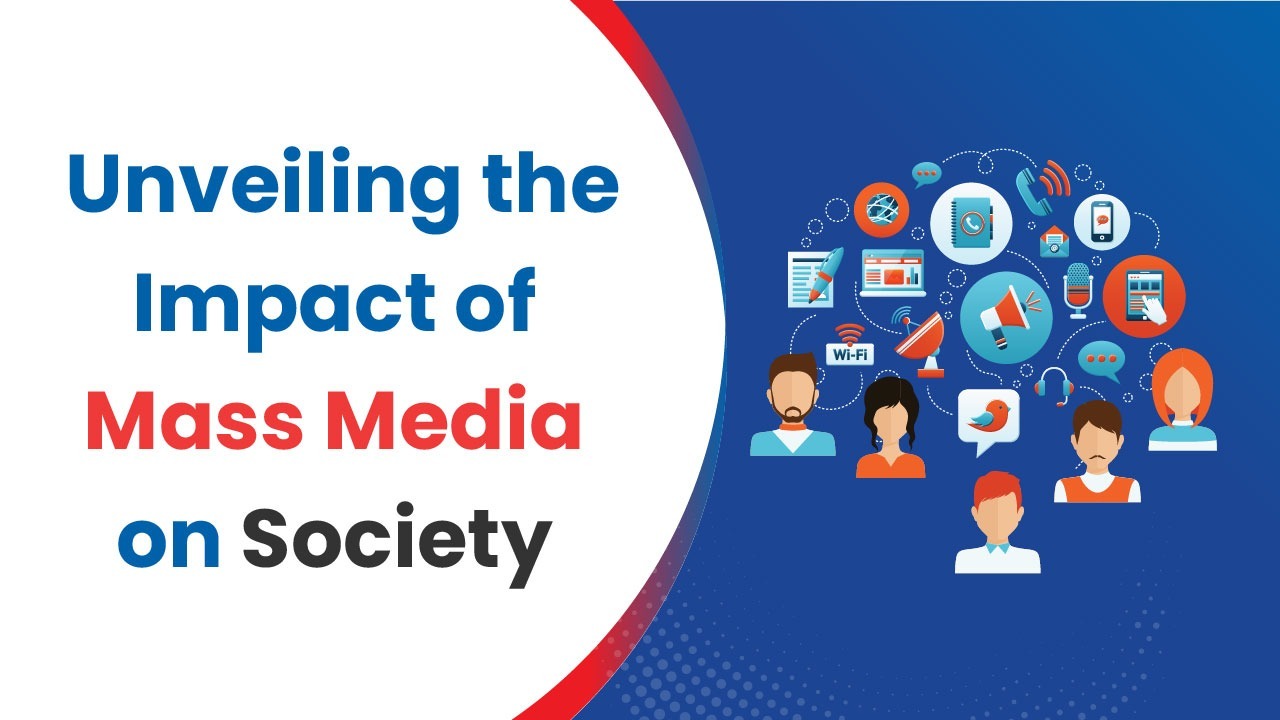
The mass media and its influence on large masses has increased exponentially during the last few decades. Mass Media has transformed into a powerful entity that shapes public perception, influences social media norms, and drives cultural evolution. With its massive reach, mass media affects various aspects of society from politics to lifestyle and entertainment. In this blog let’s delve into the profound impact of mass media on society, talking about both the positive as well as negative influences.
| Sections |
Descriptions |
| What is Mass Media? |
Mass media refers to platforms that communicate information, news, entertainment, and messages to a large audience simultaneously. |
| Types of Mass Media |
Print (newspapers, magazines), Digital (websites, social media), etc. |
| Positive Impacts of Mass Media on Society |
Spreads awareness, educates the public, promotes social change, connects communities, and supports democracy. |
| Negative Impacts of Mass Media on Society |
Can spread misinformation, reinforce stereotypes, influence behavior negatively, and impact mental health. |
| Relationship of Mass Media and Society |
Mass media reflects societal values while shaping opinions, culture, and public discourse in return. |
| Conclusion |
Mass media plays a powerful role in society, offering benefits and challenges that require responsible consumption and ethical practices. |
What is Mass Media?
Mass media is defined as the means of communication that reaches large masses in a short time. These channels may include newspapers, magazines, radio, television, websites, social media, and more. The primary focus is to educate, inform, entertain, and influence the public. Mass media serves as a platform for various businesses to promote their products and services to large masses.
In today’s digital age, its impact has grown even stronger, allowing information to spread instantly across borders. It not only shapes public opinion but also plays a critical role in cultural exchange, social awareness, and global connectivity. With evolving technology, mass media continues to diversify, becoming more interactive and accessible to audiences of all age groups.
Types of Mass Media
Print media
- Newspapers: Daily or weekly publications that deliver news and information.
- Magazines: Periodicals that focus on specific topics or audiences, from news and business to lifestyle and entertainment.
- Books: Long-form content that can be fiction or non-fiction, including novels and reference materials.
- Journals and Publications: Academic, professional, or specialised materials.
Broadcast media
- Television: Transmits visual and audio content, including news, entertainment, and educational programmes.
- Radio: Transmits audio content, such as news, music, and talk shows, through radio waves, satellites, or the internet.
- Films: Audiovisual content created for theatrical or home release.
Digital/New media
- Internet: The overarching network that provides access to a vast amount of content.
- Social Media: Platforms like Facebook, Instagram, and X (formerly Twitter) that allow for user-generated content, interaction, and sharing.
- Websites and Blogs: Digital platforms for news, information, and personal commentary.
- Streaming Services: On-demand audio and video content accessed via the internet.
- Podcasts: Digital audio files that can be downloaded or streamed.
Other types
Outdoor and transit media: Physical advertisements placed in public spaces.
- Billboards and hoardings
- Posters and banners
Positive Impacts of Mass Media on Society
Mass media does a lot of heavy lifting in society. It connects people while shaping cultural, political, and social perspectives along the way. For anyone hoping to build a media career, strong communication skills matter. Analytical thinking, too. Creativity and digital skills round it out. All of it becomes essential in a field that keeps evolving.
- Information Dissemination: The primary and most crucial function of mass media is to provide information to the general public. These include all types of news, like events, developments, weather forecasts, and more. The impact of mass media on society is profound, as it keeps the public informed about what is happening locally, nationally, and globally, which is vital for a well-informed society.
- Educating the Public: Mass media helps to make people in the country aware of the happenings around the globe and also helps them enhance knowledge and understanding related to various topics. Disseminating all this information will contribute to public education.
- Entertainment: Entertainment is the most popular function of mass media. It offers a wide range of content to the public, helping them to interact and engage with the content.
- Public Opinion: The impact of mass media significantly influences public opinion by shaping perceptions and attitudes towards various issues. Editorials, opinion pieces, and news coverage can guide public discourse.
- Advocacy and Persuasion: The mass media serves as a platform for advocacy, promoting specific causes, policies, or viewpoints. It can persuade the public and policymakers to take action on various issues.
Also Read: A Comprehensive Guide to Journalism and Mass Communication
Negative Impacts of Mass Media on Society
While mass media plays a crucial role in informing, educating, and entertaining the public, it is not without its drawbacks. Some of the negative impacts of mass media on society are discussed below:
- Misinformation and Fake News: With its impeccable uses, there are chances that false information can get transmitted, which can impact public perception and trust.
- Exposure to crime and violence: At times, there are chances that unknowingly certain content can promote violence, which will hamper society.
- Privacy Concerns: Issues related to the collection and misuse of information increase, and at times there are chances that false information is spread among the general public.
- Cyberbullying: Nowadays, cases of cybercrime and cyberbullying are increasing, wherein people use technology to harass, threaten, and embarrass others.
- Hamper Mental Health: At times, continuous exposure to negative news such as violence, disasters, and political unrest can lead to heightened stress and anxiety. The 24-hour news cycle often amplifies these effects by repeatedly broadcasting distressing events.
Relationship of Mass Media and Society
The impact of mass media on various sectors of the economy is quite evident; mass media plays a crucial role in disseminating information, shaping opinions, and creating a balance between society and mass media. There is a complex relationship between the mass media and society; some of the points are highlighted below:
- Mass media helps in shaping cultural norms and values with the use of television, movies, music, literature, and more. It helps in making the public aware of new norms, policies, challenges, and more.
- The mass media has a vital political impact on society as it acts as a watchdog and facilitates public discourse.
- Mass media shapes individual behaviour, influencing attitudes, beliefs, and aspirations. It exposes people to diverse cultures and ideas, impacting their self-perception and social expectations.
- The impact of mass media on education can’t be ignored, as it helps in shaping public opinion, influencing public behaviour, and preparing students for a career in media.
Why Choose K.R. Mangalam University?
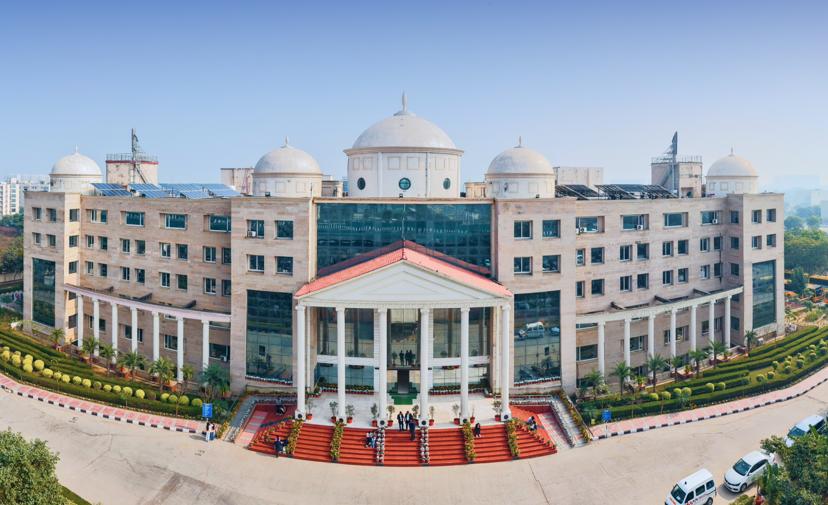
K.R. Mangalam University offers an industry-oriented academic environment here. Behind it sits 13 plus years of educational excellence, 100 plus programmes, 11 schools, 12,000 plus students, and 18,000 plus successful alumni. Students also get 100 percent placement assistance, 800 plus recruiters, 700 plus educators, and 100 percent sponsored international study tours.
Conclusion
K.R. Mangalam University helps aspiring media professionals build the knowledge and skills this evolving industry demands. Practical learning plays a part. So does professional development and career support. With 13 plus years of educational excellence, 800 plus recruiters, 100 percent placement assistance, and 18,000 plus successful alumni behind it, KRMU gives students a strong foundation for careers in journalism and mass communication.
Also Read: K.R. Mangalam University: A Hub for Digital Media Innovation
FAQs
What is the future of mass media?
The future of mass media will be more flexible and will be an age of proper digitalization individuals would be more dependant on social media platforms and there will be an effective integration of new technologies with special focus on artificial intelligence
What is the impact of mass media on youth?
Mass media has a profound impact on the youth in shaping their behaviour, attitude and perceptions. Mass media provides youth with vast amount of information on various topics and events, it helps in raising awareness about ethical and social issues.
What are types of mass media?
Some of the most common types of mass media are print, broadcasting, digital, new and outdoor.
What is media literacy, why is it important?
Media literacy is the ability to critically analyze and evaluate media content. It is important because it helps individuals understand how media messages are created, recognize biases and misinformation, and make informed decisions about the information they consume.
What is the impact of mass media on culture?
Mass media helps in shaping cultural norms and values by promoting them on television, films, music and internet. It helps in making people aware about new ideas, challenges, stereotypes and various policies.

























 13+Years of Educational Experience