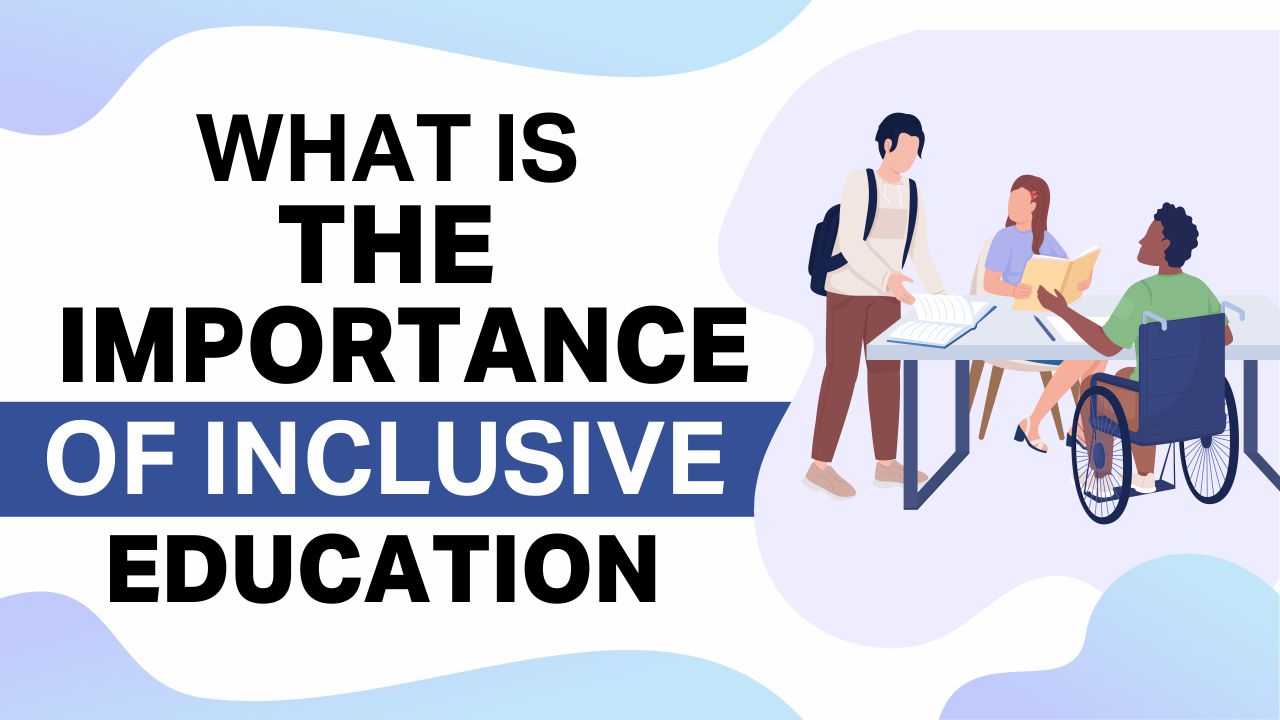
The importance of Inclusive Education shows up most clearly in one simple idea: every student deserves the same shot at learning, no matter their abilities, their background, how they learn, or where they come from financially. Inclusive classrooms don’t ignore differences — they work with them; they respect them.
Every learner feels seen. Every learner gets support that actually fits, not some one-size-fits-all approach stretched thin over everyone. And the benefits go beyond just grades, too. Students who learn inclusive settings pick up empathy almost naturally. They learn to work with people different from themselves. Slowly, a sense of responsibility toward others starts to build. In a world that’s only getting more diverse, these are the skills that actually matter later in life.
Quick Glance At the Blog
Below is a concise, tabular overview that summarises the complete information on inclusive education, its significance, principles, barriers and the KRMU advantage in a structured and easy-to-read format. In short, it is a summarised version of the information provided in the blog.
| Particular |
Detail |
| About Inclusive Education |
Each student is treated equally in a classroom without education. |
| Need for Inclusive Education |
Equality, Diverse Perspectives, Social Integration, Improved Outcomes for All, & Preparation for the Real World |
| Principles Of Inclusive Education |
Equity and Access, Respect for Diversity, Differentiated Instruction, Collaboration and Teamwork, Participation and Engagement, High Expectations, Individualised Support, Positive Learning Environment, Ongoing Assessment and Feedback, & Professional Development |
| Characteristics Of Inclusive Education |
Diverse Learning environment, positive school culture, differentiated instruction, collaborative teaching, individualised support, accessible learning materials, family & community involvement, ongoing professional development, flexible assessment |
| Barriers To Inclusive Education |
Lack of Resources, Inadequate Training, Attitudinal Barriers, Curriculum Constraints, Lack of Collaboration, Inadequate Support Services, Physical Barriers, Insufficient Parent and Community Involvement, Large Class Sizes, Resistance to Change, Assessment and Evaluation Issues |
| Why KRMU for Inclusive Education |
Flexible Teaching Methods, Student Counselling & Mentorship, Scholarships & Financial Assistance, Barrier-Free Campus, Skill-Based Learning, Language & Learning Support |
What Is the Importance of Inclusive Education?
At its core, the importance of inclusive education comes down to one thing: equal opportunity, without erasing individual differences. Old models used to separate students by ability or background, almost as a default. Inclusive education flips that. It pushes for collaboration instead — students learning side by side, together, regardless of where they started. The results speak for themselves. Academic performance goes up. Social skills get stronger. Empathy grows. Discrimination shrinks. And students walk out better prepared for workplaces and communities that, more and more, expect people to value diversity rather than just tolerate it.
What Is Inclusive Education
Inclusive education is an educational approach where each and every student is treated equally in a classroom without any discrimination, be it disabilities, learning difficulties, or other special educational needs. This approach values diversity and seeks to remove barriers to learning and participation for all students.
Inclusive education is important because it ensures equal access to quality learning for all students, regardless of their abilities or backgrounds. It promotes empathy, respect, and collaboration, while improving academic and social outcomes for both students with and without special needs. By preparing learners for diverse real-world environments, it fosters a more equitable and inclusive society.
Why Is There A Need of Inclusive Education?
Inclusive education is essential for many reasons. Following are some of them:
- Equality: Inclusive education ensures that all students, regardless of their abilities, financial background, gender, category, religion, etc., have equal access to quality education. This encourages a fair learning environment where everyone has the opportunity to learn, grow, and succeed in an inclusive environment.
- Diverse Perspectives: An inclusive classroom brings together students from various backgrounds and abilities, enriching the learning experience with a range of perspectives and ideas. This diversity enhances critical thinking and problem-solving skills.
- Social Integration: Inclusive education promotes social integration by encouraging students to interact and collaborate with their classmates who have different abilities and needs. This helps build empathy, respect, and understanding among students.
- Improved Outcomes for All: Various studies show that inclusive education is beneficial for all students, not just those with disabilities or from different backgrounds. Inclusive education leads to improved academic performance, better social skills, and increased self-esteem for all.
- Preparation for the Real World: The real world is very different where we work and interact with individuals from diverse backgrounds and environments. Inclusive education prepares students for this reality by teaching them to value and work effectively with people of all abilities and backgrounds so that they may not face any sort of problem in the real world.
Inclusive education not only supports individual growth and development but also contributes to a more equitable and cohesive society.
Also Read: Exploring the Educational Landscape: Top Universities in Gurgaon
Principles Of Inclusive Education
Inclusive education is guided by several key principles that ensure all students, regardless of their diverse needs, can access, participate in, and benefit from quality education. Let’s have a look at these principles:
Equity and Access
Inclusive education ensures that every student, regardless of their abilities or background, has equal access to quality education. This principle emphasises the need for resources and support to meet the diverse needs of each student, providing them with fair opportunities to grow and succeed.
Respect for Diversity
This principle involves recognising and celebrating differences in ability, culture, language, and background within the classroom. By creating an environment where every student’s unique attributes are acknowledged and appreciated, inclusive education encourages a sense of belonging and acceptance, thus enriching the learning experience for everyone involved.
Differentiated Instruction
Differentiated instruction is crucial for meeting the varied learning needs of students. This principle involves adapting teaching strategies and learning activities to accommodate different learning styles and abilities. By offering diverse ways to engage with the material—such as visual, auditory, and hands-on approaches, teachers and educators can ensure that all students have the opportunity to understand and excel in their studies according to their individual strengths.
Collaboration and Teamwork
Effective inclusive education relies on strong collaboration among educators, families, and communities. This principle highlights the importance of working together to support student learning and development. With open communication and teamwork, schools can develop and implement individualised support plans, ensuring that each student receives the comprehensive support they need to excel both academically and socially.
Participation and Engagement
Encouraging full participation and engagement in all aspects of school life is a key principle of inclusive education. This involves integrating students into general education settings and ensuring they can actively participate in academic, social, and extracurricular activities. Being involved and engaged, students feel a sense of belonging and investment in their education, which is important for their overall development and success.
High Expectations
Maintaining high expectations for all students, regardless of their abilities or disabilities, is fundamental to inclusive education. This principle is based on the belief that every student is capable of achieving success and should be challenged to reach their full potential.
Individualised Support
Providing personalised support and accommodations is essential for addressing the unique needs of each student. This principle involves offering tailored resources, such as specialised instruction or assistive technology, to help students overcome specific challenges. By focusing on individual needs, it can be ensured that every student receives the support necessary to succeed and make meaningful progress in their education.
Positive Learning Environment
Creating a positive learning environment is crucial for effective inclusive education. This principle emphasises the importance of a safe, supportive, and respectful classroom where students feel valued and encouraged. This enhances students’ emotional well-being and academic success, creating an environment conducive to learning and personal growth.
Ongoing Assessment and Feedback
Continuous assessment and feedback are vital for informing instruction and supporting student progress. This principle involves regularly evaluating students’ performance and providing constructive feedback to guide their learning.
Professional Development
Investing in ongoing professional development for educators is essential for implementing effective inclusive practices. This principle involves providing teachers and staff with the training and resources needed to enhance their skills and stay current with best practices in inclusive education.
These principles create an inclusive environment that supports and values every student, helping them to achieve their best and contribute to a more equitable society.
Characteristics Of Inclusive Education
Inclusive education is an approach that seeks to ensure all students, regardless of their background, abilities, or needs, are integrated into regular educational settings and provided with the support they need to succeed and excel in life. Here are some key characteristics of inclusive education:
Barriers To Inclusive Education
Implementing inclusive education can be challenging due to various barriers. Here are some common barriers to inclusive education that schools and teachers might face:
- Lack of Resources: Limited financial and material resources can hinder the implementation of inclusive practices. Schools may lack access to necessary assistive technologies, adaptive materials, or additional staff support.
- Inadequate Training: Teachers may not receive sufficient training on inclusive education practices, making it difficult for them to effectively teach and support diverse learners. Professional development in inclusive strategies is crucial for successful implementation.
- Attitudinal Barriers: Negative attitudes or misconceptions about students with disabilities or diverse needs can impact the effectiveness of inclusive education. Some educators or teachers, parents, or students may hold biases or have low expectations for these students.
- Curriculum Constraints: A rigid curriculum that doesn’t accommodate diverse learning styles and needs can be a barrier to inclusive education. If the curriculum is not flexible, it may not meet the varied requirements of all students.
- Lack of Collaboration: Effective inclusive education often requires collaboration between general education teachers, special education teachers, and other specialists. A lack of teamwork or communication can impede the creation of effective support plans.
- Inadequate Support Services: Students with special needs may require additional support services, such as counselling, speech therapy, or occupational therapy. A lack of these services can limit the effectiveness of inclusive education.
- Physical Barriers: Inaccessible school facilities or classrooms can be a significant barrier for students with physical disabilities. Schools need to ensure that their buildings and resources are accessible to all students.
- Insufficient Parent and Community Involvement: Inclusive education benefits from strong support and engagement from parents and the community. A lack of involvement or communication with families can hinder the development and implementation of effective inclusive practices.
- Large Class Sizes: Overcrowded classrooms can make it challenging for teachers to provide individualised attention and support to all students, particularly those with special needs.
- Resistance to Change: Implementing inclusive education often requires changes to traditional teaching methods and school practices. Resistance from teachers, administrators, or other stakeholders can be a significant barrier to effective implementation.
- Assessment and Evaluation Issues: Standardised testing and traditional assessment methods may not accurately reflect the abilities of students with diverse needs. Inflexible assessment practices can undermine the goals of inclusive education.
K.R. Mangalam University and Inclusive Education
K.R. Mangalam University strongly promotes inclusive education, ensuring that every student—regardless of background, learning style, or academic needs—gets equal opportunities to learn, grow, and succeed. The university understands that students differ in their abilities, interests, languages, and pace of learning. By providing personalised academic support and a welcoming campus environment, KRMU makes education accessible to all.
How KRMU Ensures Inclusive Education
Flexible Teaching Methods
Faculty use interactive lessons, digital tools, real-world case studies, and hands-on activities to support different learning styles.
AI & Technology
KRMU focuses on developing and implementing modern technologies such as AI, ML, Computer Vision, AR/VR, etc., to increase the teaching and learning productivity across programmes.
Mental Health & Emotional Inclusion
The entire staff and faculty are trained to maintain psychological safety in classrooms and on the campus, promoting an anti-bullying culture, emotional support systems, and counselling services.
Student Counselling & Mentorship
Trained counsellors and mentors help students academically and emotionally, ensuring a stress-free learning experience.
Scholarships & Financial Assistance
Multiple scholarships are available so that financial limitations do not stop students from achieving their goals.
Barrier-Free Campus
Accessible infrastructure, ramps, elevators, and supportive staff help differently-abled students navigate campus comfortably.
Skill-Based Learning
Workshops, internships, industry projects, and labs help every student gain practical knowledge, making them career-ready.
Language & Learning Support
Students who need help in communication, subjects, or soft skills receive additional assistance through special classes and training.
Why Inclusive Education at KRMU Matters
- It boosts confidence and self-learning skills
- Students learn to work with diverse groups, improving teamwork and empathy
- It creates equal opportunities for every learner
- It prepares students for global and multicultural workplaces
At K.R. Mangalam University, inclusion is not limited to the classroom—it’s part of the university’s culture. The goal is simple: every student should feel valued, capable, and prepared for a successful future.
Conclusion
To wrap up, inclusive education stands as a cornerstone of equitable and progressive educational practices. It embodies the belief that every student deserves a chance to succeed and make a meaningful contribution. By encouraging an environment where every student, regardless of ability or background, is given the opportunity to learn and thrive, inclusive education not only upholds the principles of equality and respect but also enriches the learning experience for all. It prepares students for a diverse world, equipping them with the skills and perspectives necessary to navigate and contribute to a multifaceted society.
K.R. Mangalam University is a leading private university in Gurugram known for modern academics, industry-focused learning, and world-class infrastructure. With expert faculty, advanced labs, global exposure, and strong placement support, KRMU prepares students for real careers, not just degrees. The university promotes inclusive learning, innovation, and skill development to ensure every student grows academically and professionally.
Also Read: The Importance Of Technology As A Teaching Aid In Higher Education
FAQs
Let’s go through some of the FAQs about inclusive education.
What is inclusive education?
Inclusive education is an educational approach where each and every student is treated equally in a classroom without any discrimination, be it disabilities, learning difficulties, or other special educational needs.
Why is inclusive education important?
Inclusive education is important to ensure that every student, irrespective of his/her ability and background, is treated equally. Inclusive education not only supports individual growth and development but also contributes to a more equitable and cohesive society.
What are the hurdles to inclusive education?
Some of the major barriers to inclusive education are - Lack of Resources, Inadequate Training, Attitudinal Barriers, Lack of Collaboration, Inadequate Support Services, Large Class Sizes, and Resistance to Change.
How can technology improve accessibility in education?
Technology helps increase accessibility and engagement with educational content and resources by eliminating geographic, physical, and sensory barriers. Students can ask AI assistants for their doubts, develop their study plan, search for information on the internet, and so much more.
What are the Principles Of Inclusive Education?
The primary principles of inclusive education involve:
Equity and Access
Respect for Diversity
Differentiated Instruction
Collaboration and Teamwork
Participation and Engagement
High Expectations
Individualised Support
Positive Learning Environment
Ongoing Assessment and Feedback
Professional Development
These principles create an inclusive environment that supports and values every student, helping them to achieve their best and contribute to a more equitable society.




 13 Schools700+ Faculty Members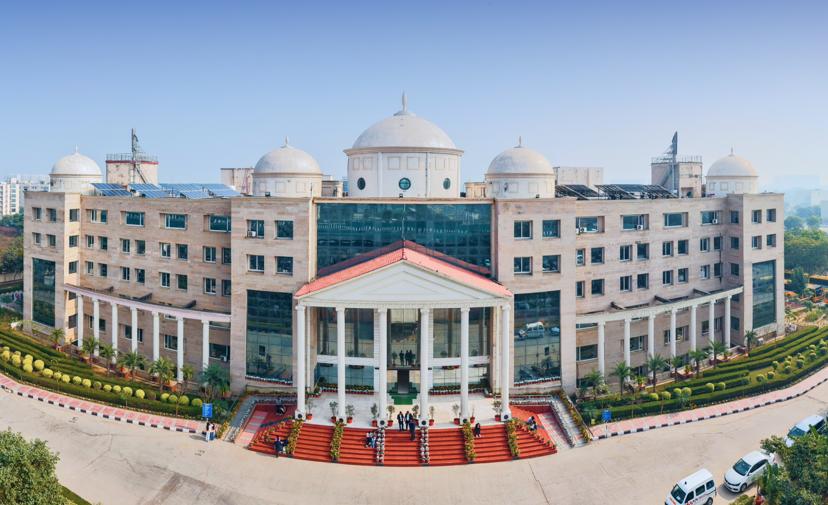













 13+Years of Educational Experience