Healthcare may save lives, but physiotherapy helps people reclaim them.
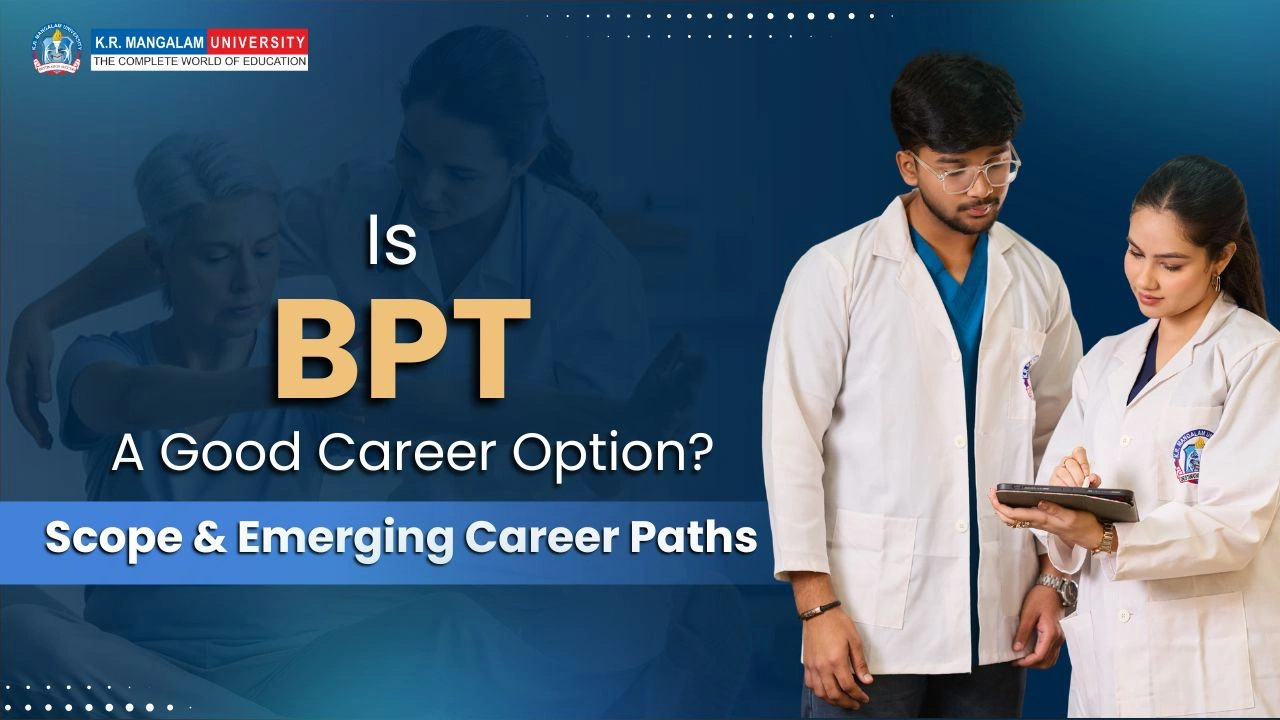
Many people ask, “Is BPT a good career option?” The answer is yes. As the demand for non-invasive treatment methods continues to grow, physiotherapists are playing an increasingly important role in helping people recover from injuries, surgeries, neurological conditions, and lifestyle-related disorders.
What makes BPT appealing is its unique combination of healthcare service, job security, and wide-ranging career opportunities. Physiotherapists are needed in hospitals, sports organisations, rehabilitation centres, wellness clinics, and even in home healthcare settings.
This blog explores the advantages of a BPT course, the scope of a BPT course in India and abroad, and the various job opportunities available after completing the programme.
Overview of This Blog
| Sections |
Descriptions |
| Why Physiotherapy Is Becoming More Important Than Ever? |
Understand the growing demand for physiotherapy services globally and the factors driving career opportunities in this field. |
| What is BPT? |
Learn about the Bachelor of Physiotherapy programme, its curriculum, duration, and practical training components. |
| Advantages of a BPT Course |
Explore the key benefits of pursuing BPT, including practical learning, career satisfaction, higher education opportunities, and employability. |
| Scope of BPT Course in India |
Discover the expanding role of physiotherapy in healthcare, sports, rehabilitation, elderly care, and home healthcare services. |
| Jobs After BPT Course |
Examine career opportunities such as Clinical Physiotherapist, Paediatric Physiotherapist, etc. |
| Why Pursue a BPT Degree at K.R. Mangalam University? |
Learn how KRMU’s industry-oriented curriculum, clinical exposure, and modern facilities prepare students for successful physiotherapy careers. |
| Conclusion |
Summarises why BPT is a promising healthcare career and how the right educational institution can support long-term success. |
Why Is Physiotherapy Becoming More Important Than Ever?
As healthcare shifts from treating diseases to improving quality of life, physiotherapy has become an essential pillar of modern healthcare.
To understand “Is BPT a good career option?” it is important to know why physiotherapy is becoming more important than ever.
The demand for physiotherapy services is increasing globally due to the growing burden of chronic diseases, injuries, ageing populations, and rehabilitation needs.
The World Health Organization (WHO) estimates that around 2.4 billion people, representing roughly one-third of the world’s population, could benefit from rehabilitation services such as physiotherapy.
The demand for rehabilitation services is expected to rise as populations age and the incidence of stroke, diabetes, cardiovascular, musculoskeletal, and neurological disorders continues to increase. WHO also notes that in many countries, more than 50% of people who need rehabilitation services do not receive them, highlighting a significant demand-supply gap.
In India, the growing incidence of musculoskeletal disorders and age-related health conditions is increasing the importance of physiotherapy. Experts also emphasise the vital role physiotherapists played during and after the COVID-19 pandemic in restoring mobility, lung function, and overall quality of life.
These trends indicate that physiotherapy is no longer limited to injury recovery. It has become an integral part of preventive healthcare, rehabilitation, sports medicine, elderly care, and chronic disease management, creating growing opportunities for qualified physiotherapy professionals.
Also Read: Physiotherapy Course Details: Eligibility, Fees, & Admissions
What is BPT?
A five-year undergraduate professional healthcare degree, the Bachelor of Physiotherapy (BPT) focuses on using non-surgical techniques, including exercise therapy and rehabilitation, to treat physical problems, enhance mobility, and aid in patient recovery.
In a Bachelor of Physiotherapy (BPT), students learn:
- Supporting recovery following surgery
- Rehabilitation using electrotherapy equipment
- Handling neurological and orthopaedic disorders
- Understanding how bones, joints, and muscles work
- Exercise therapy for the treatment of pain and injuries
- Managing the prevention and healing of sports injuries
- During clinical internships, working with actual patients
- Recognising the composition and motion of the human body
The BPT programme gives students real-world clinical experience through classroom instruction, hands-on training, and an obligatory internship at a hospital or rehabilitation facility.
What are the Advantages of a BPT Course?
Here are the advantages of the BPT course:
Extremely Useful
Students studying physiotherapy are encouraged to engage in practical learning. In the second and third years of their undergraduate degrees, students have the opportunity to engage in clinical tasks and apply what they have learned in the classroom. In order to fully prepare students for all aspects of the profession, placements are arranged with each of the three primary fields of study in physiotherapy: neurological, neuromusculoskeletal, and cardiorespiratory.
Assisting Individuals
A career in physiotherapy may be challenging, but it is also gratifying and rewarding. Physiotherapists enhance their patients’ well-being and overall quality of life by re-establishing functional mobility. Physiotherapists are highly valued and respected by society. People of various ages can experience mobility problems, sports injuries, and chronic pain, all of which can be greatly reduced with the use of physiotherapy.
Tool for Rehabilitation and Recovery
With a comprehensive understanding of rehabilitation techniques and recovery methods, physiotherapy students develop in-depth knowledge of human movement, physical wellness, and injury prevention. Their studies provide them with valuable insights into maintaining mobility and functional health, enabling them to make informed decisions about their own well-being. This understanding of injuries, physical limitations, and rehabilitation processes also fosters a deeper appreciation of healthy lifestyle practices and preventive healthcare.
A Route to Further Education
Physiotherapy’s main objective is to provide its students with the depth of knowledge and skills they need to become competent practitioners as soon as they graduate, as well as the ability to learn new topics and grow in their professions through higher education. It seeks to provide students with a comprehensive educational experience at universities, assisting them in developing general qualities such as problem-solving abilities, autonomous learning, collaboration, and responsibility for others. Some of the top institutions in the region provide appropriate bachelor’s and master’s programmes in physiotherapy with well-designed curricula.
Opportunities for Best Jobs
A candidate with a degree in physiotherapy will have a number of job options. It has also been observed that many multinational companies use physiotherapists to safeguard their employees’ health. In addition, many boarding schools employ in-house physiotherapists as part of their staff.
What is the Scope of BPT Course in India?
The scope of the BPT course has expanded significantly over the last decade.
Several factors are contributing to this growth:
Increasing Lifestyle Disorders
Sedentary lifestyles, poor posture, obesity, and musculoskeletal disorders have increased the need for physiotherapy interventions.
Growth of the Sports and Fitness Industry
Professional athletes, fitness enthusiasts, and sports academies increasingly rely on physiotherapists for injury prevention and recovery.
Rising Demand for Rehabilitation Services
Patients recovering from surgeries, strokes, accidents, and neurological disorders often require long-term physiotherapy support.
Ageing Population
As the elderly population grows, demand for mobility and rehabilitation services is expected to increase further.
Home Healthcare Expansion
Many patients now prefer physiotherapy services at home, creating additional employment opportunities for professionals.
Jobs After BPT Course
As mentioned before, there are lots of job opportunities for those completing a BPT course. Here are some job options:
Clinical Physiotherapists
One of the most popular career paths after completing a BPT degree is becoming a clinical physiotherapist. These professionals work with patients experiencing physical injuries, movement disorders, or mobility limitations in hospitals, clinics, rehabilitation centres, or private practices. They may specialise in areas such as orthopaedics, neurology, geriatrics, paediatrics, or cardiopulmonary rehabilitation. Their responsibilities include assessing and diagnosing movement-related conditions, developing personalised treatment plans, and using techniques such as manual therapy, therapeutic exercises, and rehabilitation programmes to improve patients’ physical function and quality of life.
Paediatric Physiotherapists
Paediatric physiotherapists work with newborns, children, and adolescents who have neurological, musculoskeletal, and developmental conditions. This specialised field requires patience, compassion, and the ability to address the unique healthcare needs of young patients. Their responsibilities include developing motor skills, improving mobility, managing developmental delays, and supporting children in achieving their maximum physical potential through targeted therapeutic interventions.
Geriatric Physiotherapists
Due to age-related mobility problems, osteoporosis, arthritis, and other chronic diseases, the aged population frequently needs specialised care. Geriatric physiotherapists aim to maintain their patients’ physical function and independence, thereby improving their overall quality of life. As a geriatric physiotherapist, you will help manage pain, enhance mobility, and develop fall and injury prevention programmes tailored specifically for older adults.
Corporate Physiotherapists
As awareness of workplace wellness continues to grow, many organisations employ physiotherapists to support employee health. Corporate physiotherapists focus on ergonomics, injury prevention, and the promotion of physical fitness. In this role, you will lead wellness initiatives, provide ergonomic and injury-prevention solutions, and help employees maintain their physical well-being.
Why Pursue a BPT Degree at K.R. Mangalam University?
All the information discussed above clearly indicates that BPT offers a promising career option. The next step for aspiring physiotherapists is to choose the right educational institution that can provide quality education, practical training, clinical exposure, and the skills required to build a successful career in the healthcare sector.
K.R. Mangalam University offers a comprehensive Bachelor of Physiotherapy (BPT) programme designed to prepare students for successful careers in healthcare and rehabilitation.
Highlights of the BPT Programme at KRMU
- Industry-oriented curriculum aligned with current healthcare requirements.
- Experienced faculty members with academic and clinical expertise.
- Modern laboratories and physiotherapy training facilities.
- Practical learning through clinical postings and internships.
- Exposure to rehabilitation, orthopaedic, neurological, sports, and community physiotherapy.
- Opportunities to develop patient assessment, treatment planning, and therapeutic skills.
- Focus on holistic healthcare, professional ethics, and evidence-based practice.
Conclusion
The answer to the question “Is BPT a good career option?” is a strong yes for students who are passionate about healthcare, rehabilitation, and improving people’s quality of life. With the growing demand for physiotherapy services across hospitals, rehabilitation centres, sports organisations, wellness clinics, and home healthcare settings, the profession offers both personal fulfilment and long-term career opportunities.
The advantages of a BPT course extend beyond clinical knowledge. Students develop practical skills, gain hands-on experience, and build the expertise needed to support patients through recovery, injury prevention, and physical rehabilitation. As healthcare systems increasingly focus on mobility, wellness, and preventive care, the scope of BPT continues to expand in India and around the world.
At K.R. Mangalam University, the Bachelor of Physiotherapy programme combines academic excellence with practical training, clinical exposure, and industry-relevant learning to prepare students for successful careers in the healthcare sector.
Explore the BPT programme at K.R. Mangalam University and take the first step towards becoming a skilled physiotherapy professional.
Also Read: Bachelor of Physiotherapy: Syllabus, Eligibility, Fee, Scope
FAQs
Can BPT graduates pursue higher studies?
Yes, of course. After completing BPT, students can pursue postgraduate programmes such as MPT (Master of Physiotherapy) in specialisations like orthopaedics, neurology, sports physiotherapy, cardiopulmonary physiotherapy, and paediatrics.
Is physiotherapy a good career for the future?
Yes. The increasing need for rehabilitation services, preventive healthcare, and chronic disease management is creating strong long-term demand for qualified physiotherapy professionals worldwide.
Can a physiotherapist work in sports and fitness industries?
Yes. Physiotherapists play a vital role in sports medicine by helping athletes prevent injuries, recover faster, improve performance, and maintain physical fitness.
Why should students choose K.R. Mangalam University for BPT?
K.R. Mangalam University offers an industry-oriented BPT programme with experienced faculty, modern laboratories, clinical exposure, internships, and practical training designed to prepare students for successful careers in physiotherapy.
Who should pursue a BPT course?
BPT is ideal for students interested in healthcare, rehabilitation, human anatomy, fitness, and helping people recover from injuries or physical limitations. It is particularly suitable for those who enjoy patient interaction and practical learning.

















 13+Years of Educational Experience