A Bachelor of Science in Chemistry is an academic degree that provides a comprehensive knowledge of the fundamental principles of chemistry. If you are planning to pursue a B.Sc. (Hons.) Chemistry, you should know that once you achieve a degree in this field there will be countless jobs after BSc chemistry available for you. Students must choose a right career path that can shape their professional growth and financial stability. With a plethora of career options and further higher studies in the same domain, there are also government jobs after BSc chemistry available for graduates. Let’s delve into the realm of chemistry and discover various jobs after BSc chemistry.
Quick Glance At the Blog
Below is a concise, tabular overview that summarises the complete information on the B.Sc. (Hons.) Chemistry course like course description, higher studies option, and job opportunities, including government job prospects, in a structured and easy-to-read format. In short, it is a summarised version of the information provided in the blog.
| Particular |
Detail |
| About B.Sc. (Hons.) Chemistry Course |
An undergraduate programme that studies chemical substances, their properties and reactions. |
| Higher Studies after B.Sc. (Hons.) Chemistry |
Master Of Science in Chemistry, Biochemistry, Molecular Chemistry, Drug Chemistry, Physical Chemistry, Medical Chemistry, Pharmaceutical Chemistry, General Chemistry, Organic Pharmaceutical Chemistry, Computational Chemistry, Theoretical Chemistry, Applied Chemistry, Industrial Chemistry, Environment Science & Master Of Philosophy In Chemistry |
| Jobs After B.Sc. (Hons.) Chemistry |
Toxicologist, Pharmaceutical chemist, Chemical Engineer, Chemical Technologist,
Lab Technician, Chemistry Teacher, Industrial Chemist, Forensic Scientist, Quality Control Chemist/Analyst, Environmental Chemist |
| Government Jobs After B.Sc. (Hons.) Chemistry |
Laboratory technician, Junior Chemist, Scientific Assistant, Quality Control Officer,
Research Scientist, IFS Officers, Scientist,
Junior Research Fellow (JRF), Scientist,
Technical Assistant, Chemical and Metallurgical Assistant, Laboratory Assistant,
Quality Control Inspector, Project Assistant
Environmental Analyst, State Chemist, etc. |
| Why KRMU for B.Sc. (Hons.) Chemistry |
Research & Innovation, Holistic Learning Environment, Experienced Faculty & Mentorship, & Career & Placement Support. |
Understanding BSc Chemistry And Its Subjects
BSc (Hons.) Chemistry is a professional three-year undergraduate programme that emphasises the study of chemical substances, reactions and their properties. The curriculum includes several areas of chemistry, blending both theoretical knowledge and practical laboratory skills. The BSc (Hons) Chemistry programme provides an extensive understanding of chemical acumen to solve real-world problems. Students pursuing this degree not only gain technical expertise but also advance their strong critical thinking skills and analytical skills, imparting students a well-rounded education in chemistry.
The programme significantly emphasises developing essential skills necessary for graduates to become expert chemists. Additionally, students are offered diverse career paths and opportunities to achieve higher education in the same domain. The curriculum covers extensive modules like:
|
Inorganic Chemistry
|
Analytical Chemistry |
|
Organic Chemistry
|
Materials Science |
|
Physical Chemistry
|
IT skills for Chemists |
| Data Analysis & Visualization |
Biochemistry
|
|
Introduction to Quantum Chemistry
|
Medicinal Chemistry |
|
Research Methodology for Chemistry
|
Instrumental Methods of Chemical Analysis |
|
Environmental chemistry
|
Analytical Methods in Chemistry
|
| Polymer chemistry |
Green Chemistry
|
| Industrial Chemistry |
Quantum Chemistry
|
| Medicinal Chemistry |
Chemical Kinetics
|
Career Options After BSC Chemistry: Higher Studies
If you are not ready to step into the workforce and want to gain more advanced knowledge, you can pursue higher studies in chemistry. It significantly enhances your employability and career prospects. For graduates, pursuing an advanced degree not only allows them to gain in-depth knowledge but also opens doors to high-demand roles in today’s job markets. Higher Studies equip you with profound knowledge to tackle complex scientific challenges and make you more attractive to potential employers. Here are some of the higher study options for you to consider after completing your BSc (Hons) Chemistry:
- Master Of Science In Chemistry
- Master Of Science In Biochemistry
- Master Of Science In Molecular Chemistry
- Master Of Science In Drug Chemistry
- Master Of Philosophy In Chemistry
- Master Of Science In Physical Chemistry
- Master Of Science In Medical Chemistry
- Master Of Science In Pharmaceutical Chemistry
- Master Of Science In General Chemistry
- Master Of Science In Organic Pharmaceutical Chemistry
- Master Of Science In Computational Chemistry
- Master Of Science In Theoretical Chemistry
- Master Of Science In Applied Chemistry
- Master Of Science In Industrial Chemistry
- Master Of Science In Environment Science
Top Promising Jobs After BSc Chemistry
A BSc (Hons) Chemistry offers diverse career opportunities for graduates in various sectors. Students who pursue a BSc (Hons) Chemistry will build strong foundation in chemical principles and practical laboratory skills. For those who are seeking High Salary Jobs After B.Sc Chemistry, several options are available in healthcare, research, education etc., where their expertise can drive development. They can pursue careers in both the private and government sectors, depending on their future goals. Moreover, the programme offers promising jobs for BSc chemistry freshers with entry-level positions in various sectors. Below are some of the best high salary jobs after b.sc chemistry that graduates can consider:
Toxicologist
If you are someone who likes to analyse the effects of chemicals on living beings and the environment should choose a career path as a Toxicologist. These professionals are responsible for conducting experiments to determine the safety and potential risks of chemical substances.
Pharmaceutical chemist
Pharmaceutical Chemists are focused on developing and testing new drugs. They thoroughly research and synthesize chemical formulations through rigorous testing. Pharmaceutical chemists play a crucial role in creating new medications carefully.
Chemical Engineer
Chemical Engineers are focused on designing and optimising chemical manufacturing. They utilise their theoretical knowledge of chemistry to produce chemicals and materials safely, ensuring environmental compliance.
Chemical Technologist
These professionals always support chemical scientists and engineers by conducting thorough experiments. They are indulged in producing new products and processes and operate laboratory equipment.
Lab Technician
Lab technicians are professionals who analyse chemicals, maintain lab equipment and record data. They are accountable for ensuring the smooth functioning of laboratories and the accuracy of data collection.
Chemistry Teacher
A chemical Teacher can be a better option for you if you are passionate about imparting knowledge of chemical realms. In this role, you’ll have to educate students all about chemical principles, practical applications and theories. A chemical teacher must ensure that students are well-equipped with the knowledge to solve complexities.
Industrial Chemist
Industrial chemists are someone of work in manufacturing industries to develop and optimise chemical processes for large-scale manufacturing. They are focused on improving the safety and efficiency of chemical products.
Forensic Scientist
Forensic Scientists are those who apply chemical principles to analyse evidence from a crime scene in forensic laboratories and law enforcement agencies. They support investigating officers to solve crimes with their expert help.
Quality Control Chemist/Analyst
Quality control chemists/analysts are responsible for analysing products that should be meeting required standards and specifications. Their role is to maintain the quality of products for consumer safety.
Environmental Chemist
Environmental chemists are professionals who study the impact of chemicals on the environment, ensuring the safety of natural resources. They are responsible for assessing the long-term risks of impurities in natural places and protecting them.
Government Jobs After BSc Chemistry
Pursuing a BSc (Hons) Chemistry programme not only offers private employment but also government jobs. Graduates can also appear for competitive exams such as SSC CGL, RRB, FCI etc. for higher positions in the government sector, which often offer stable careers with good benefits. Here are some of the top government job options available for BSc Chemistry graduates:
- Laboratory technician
- Junior Chemist
- Scientific Assistant.
- Quality Control Officer
- Research Scientist
- Indian Forest Service (IFS) Officers
- Scientist
- Junior Research Fellow (JRF)
- Scientist
- Technical Assistant
- Chemical and Metallurgical Assistant
- Laboratory Assistant
- Quality Control Inspector
- Project Assistant
- Environmental Analyst
- State Chemist etc.
Why KRMU for B.Sc. (Hons.) Chemistry?
Research & Innovation
Students’ investigative abilities and critical thinking are sharpened by the curriculum, which encourages research engagement, project work, and conference attendance.
Holistic Learning Environment
In order to prepare graduates for rewarding jobs in chemistry and related fields, KRMU supports student development outside of the classroom through workshops, seminars, internships, and industry connections.
Experienced Faculty & Mentorship
The faculty at KRMU consists of academics and professionals with practical experience who coach students through both theoretical concepts and real-world case studies.
Career & Placement Support
Students get 100% placement assistance with resume building, mock interviews, internships, campus placements, as well as advice on further education options in chemistry.
Conclusion
Jobs after BSc chemistry is a versatile degree that opens a wide range of great career opportunities for graduates. They can pursue high salary jobs after b.sc chemistry in the chemical industries to government sectors. Graduates of BSc Chemistry have numerous career paths to explore right after completing the programme. Either they can pursue higher studies or simply enter into the workforce.
FAQs
What are jobs after BSc chemistry?
Jobs after BSc chemistry are vast, students can make their careers in both the private and public sectors.
Are there any high salary jobs after b.sc chemistry?
Yes, there are high salary jobs after b.sc chemistry graduates can choose to become lab technician, medical chemist, chemical engineer, research scientist, industrial chemist, environmental chemist, chemical technologist, chemical teacher etc.
What are government jobs after BSc chemistry?
Graduates of BSc chemistry can also work in the government sector with roles like Quality Control Officer, Research Scientist, Indian Forest Service (IFS) Officer, Scientist, Junior Research Fellow (JRF), Scientist, Technical Assistant etc.
Can I pursue further studies after BSc Chemistry?
Yes, you can study further after completing your BSc Chemistry. The higher studies include MSc in Chemistry, Chemical Engineering, Medical Chemistry etc.




 13 Schools700+ Faculty Members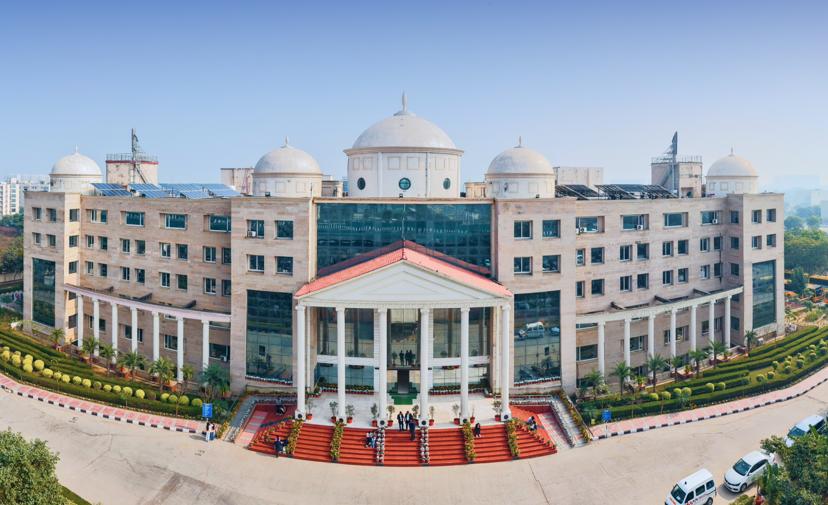












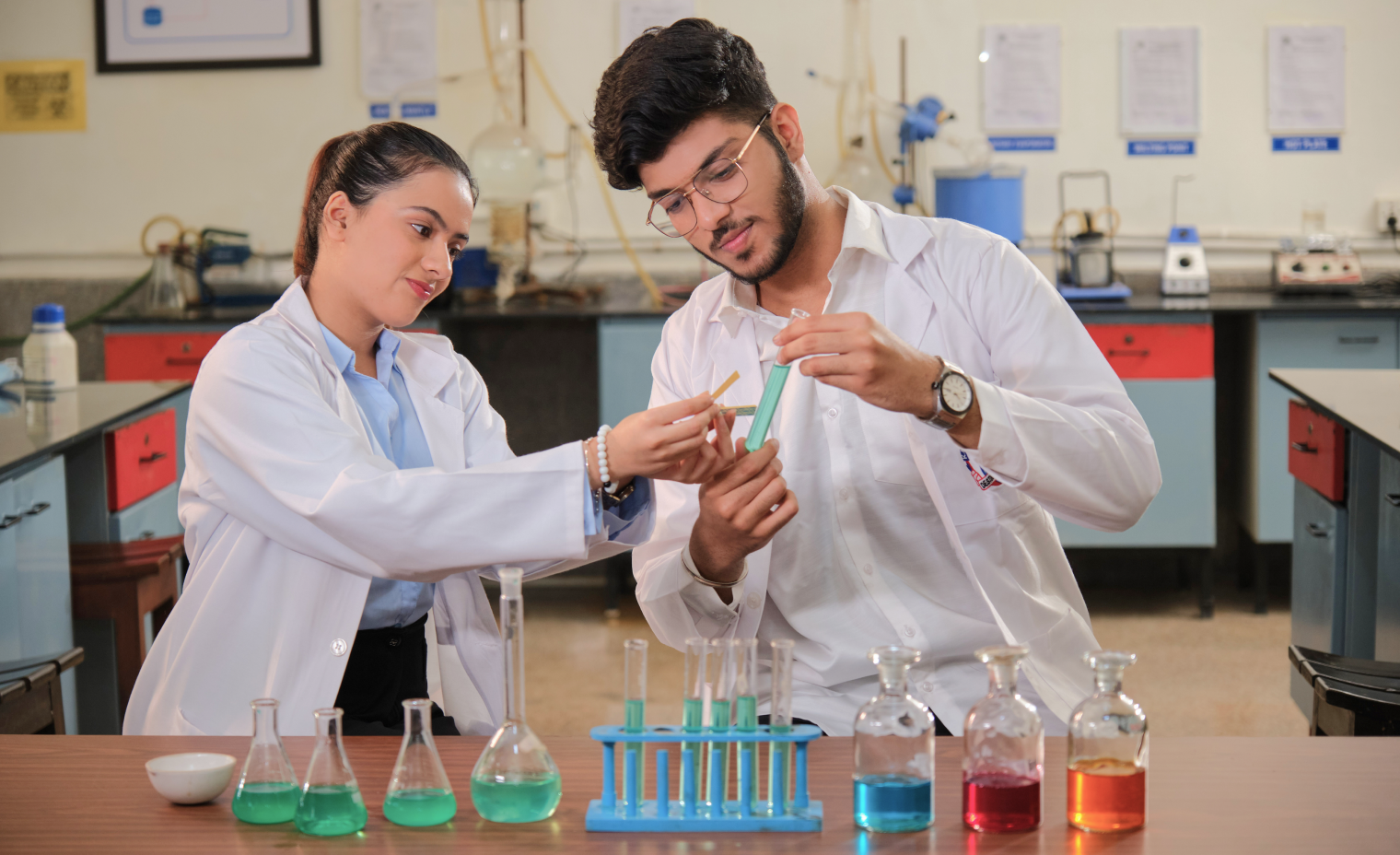
 13+Years of Educational Experience