Pharmacokinetics, the study of how the body processes drugs, is a fascinating field that plays an important role in medicine today. Pharmacokinetics shows the relationship between drugs and our bodies, from understanding how drugs are absorbed, distributed, metabolized and released to predicting their effects on the body. In this blog, we delve into the world of pharmacokinetics and explore its meaning, principles and practical applications.
Journey of a Drug: Key Pharmacokinetic Processes
Pharmacokinetics studies the physical effects of drugs. Consider swallowing a pill – what else? The drug is absorbed from the intestine into the bloodstream and reaches its target. This is where pharmacokinetics comes into play, which determines how quickly the drug reaches its target. Factors such as chemical composition, formulation, and method of application can affect the rate of absorption.
Absorption: The Gateway to Action
Absorption is the first step of a drug’s journey through the body. It determines how quickly the drug enters the bloodstream after administration. Characteristics such as chemical properties (e.g., solubility), dosage (e.g., tablets, capsules), and method of administration (e.g., oral, intraoral) can affect absorption properties. . Here, the drug must pass through many barriers, including the stomach lining and intestinal lining, before reaching the bacteria. Factors such as gastric emptying, environmental pH, and the presence of food can affect absorption kinetics.
Also Read: Career After Pharmacy Degree: Jobs & Career Options
Distribution: Navigating the Topography of the Body
Once the drug enters the bloodstream, it is distributed throughout the body. This stage affects the transport of the drug from the blood to many tissues and organs, where it is treated or further metabolized. Protein-bound drugs may reduce the volume of distribution and prolong the duration of action. Understanding these issues is important for designing drugs that can target specific tissues or cross biological pathways when necessary.
Metabolism: Transformation of Molecules
Metabolism, or biotransformation, involves the chemical transformation of drugs into metabolites that may be more or less pharmacologically active than the parent compound. The liver is the primary site of drug metabolism, where enzymes such as cytochrome P450 (CYP) enzymes catalyze metabolic reactions.
Elimination: eliminate from the body
Elimination represents the final step in the pharmacokinetic process of removing the drug and its metabolites from the body. The kidneys are primarily responsible for excreting drugs through urine, while the liver removes drugs and metabolites through bile. In patients with renal impairment, drugs that cause renal elimination should be adjusted to prevent overdose and toxicity.
How K.R. Mangalam University assists students in these things
K.R. Mangalam University recognizes the importance of pharmacokinetics and its applications in various fields, especially in the pharmaceutical industry and healthcare. Here’s how universities help students understand and use pharmacokinetic models:
- Course Design: The University has designed its pharmacy and clinical courses to cover a wide range of pharmacokinetics. Students learn about drug absorption, distribution, metabolism, and elimination through specialized courses in pharmacokinetics and pharmacology.
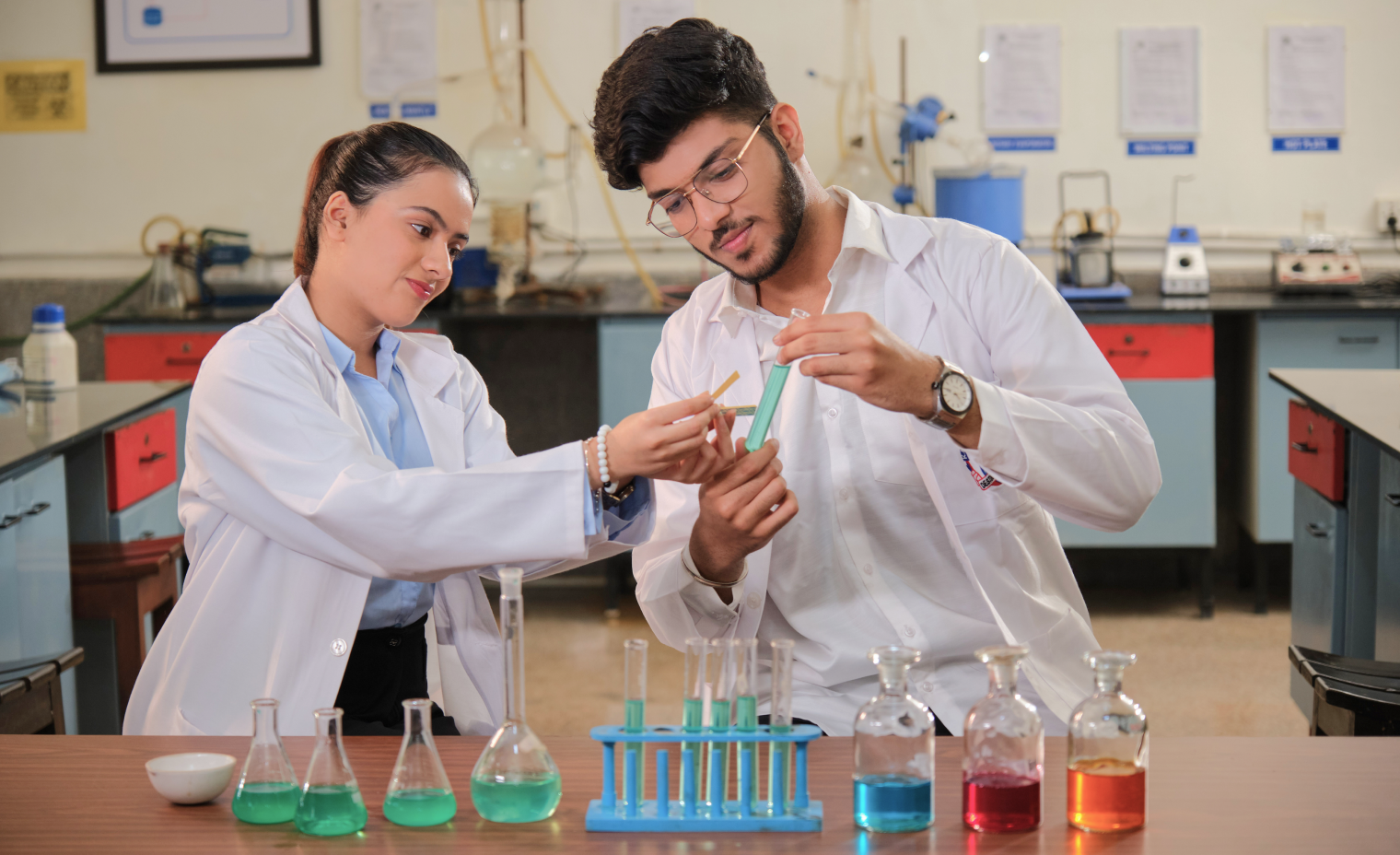
- Practical education: K.R. Mangalam University gives importance to practical education to support theoretical education. Students have access to state-of-the-art laboratories equipped with modern instrumentation and software for pharmacokinetic modelling and simulation. Students gain experience in conducting pharmacokinetic studies, analysing data, and interpreting results through laboratory courses and applied activities.
- Scientific Research opportunity: KRMU supports scientific research in pharmacokinetics and other fields. Students get the opportunity to participate in research projects under the guidance of experienced faculty members. These programmes allow students to deepen their understanding of pharmacokinetic models, explore new developments in the field, and contribute to scientific knowledge through research and presentation.
Conclusion
Pharmacokinetics provides a framework for understanding how drugs interact with the body and informs decisions about drug therapy. Pharmacokinetics elucidates absorption, distribution, metabolism, and elimination processes, allowing physicians to optimize drug therapy, minimize risk, and improve patient outcomes. As science advances and technology improves, pharmacokinetics will continue to play an important role in drug development, personalized medicine, and clinical advancement.
Also Read: Why Should You Choose Pharmacy B Pharma?
FAQs
Here are some frequently asked questions about pharmacokinetics.
How does Pharmacokinetics help in drug development?
Pharmacokinetics helps researchers understand how drugs behave in the body, which supports the development of safe, effective, and properly dosed medicines.
Which professionals commonly study Pharmacokinetics?
Pharmacokinetics is studied by pharmacy students, pharmacologists, medical researchers, healthcare professionals, and pharmaceutical scientists.
What career opportunities are related to Pharmacokinetics?
Students can pursue careers in pharmaceutical industries, clinical research, drug development, pharmacology, healthcare, regulatory affairs, and medical research.
How does K.R. Mangalam University helps students understand Pharmacokinetics and pharmaceutical sciences?
K.R. Mangalam University through its pharmacy programmes provides students with strong theoretical knowledge and practical exposure in pharmaceutical sciences, pharmacology, and drug research.




 13 Schools700+ Faculty Members












 13+Years of Educational Experience