Understanding the human mind is one of the most powerful ways to change lives, including your own.
The study of human behaviour and mental processes is known as psychology. In this, students learn how the human brain functions, including concepts such as awareness, intelligence, language, personality, perception, memory, and more. It also administers tests to identify mental illnesses. After completing Class 12th, students can choose from a wide range of psychology courses.
Despite being a relatively new science, it has become one of the most well-known multidisciplinary fields of the twenty-first century. Its fundamental ideas are used in a wide range of other disciplines. These disciplines include sociology, biology, sports, health, education, counselling, criminology, law, and many more.
Psychology courses after 12th have emerged as one of the most popular choices for students who are interested in understanding human psychology and mental health.
In this blog post, the discussion will be about these psychology courses after 12th grade.
Quick Glance At the Blog
| Sections |
What We Will Cover |
| What is Psychology? |
Understand psychology, its scope, and how it studies human behaviour, emotions, cognition, and mental processes. |
| Why Choose Psychology After 12th? |
Discover why psychology is becoming a popular career choice, the growing demand for professionals, transferable skills, and industry opportunities. |
| Best Psychology Courses After 12th |
Explore the major psychology programmes available after Class 12th, including their focus areas and duration. |
| How to Choose the Right Psychology Programme? |
Learn the key factors to consider before selecting a psychology course, including curriculum, faculty, practical exposure, research opportunities, internships, and career support. |
| Why Choose Psychology Courses at K.R. Mangalam University? |
Learn about KRMU’s psychology programmes, interdisciplinary learning approach, research exposure, and practical training. |
| What Are The Skills That Students Will Learn After Earning a Psychology Degree From KRMU? |
Discover the essential skills developed during the programme, including communication, ethics, research, problem-solving, and organisational abilities. |
| Eligibility for Psychology Courses |
Understand the common admission requirements and eligibility criteria for psychology programmes after Class 12th. |
| Scope of Psychology After 12th |
Explore diverse career opportunities in psychology along with higher studies options. |
| Conclusion |
Learn why psychology is a future-ready career and how K.R. Mangalam University prepares students for successful professional journeys. |
Why Choose Psychology After 12th?
Before discussing these courses, it’s important to understand why psychology has become one of the most sought-after disciplines. Below are the reasons:
Growing Demand for Professionals in Psychology
Around 10.6% of Indian adults experience mental health disorders, creating a significant need for trained psychologists and counsellors. India’s treatment gap for mental health ranges from 70% to 92%, indicating a substantial shortage of qualified mental health professionals.
Mental health awareness has grown significantly in recent years. As a result, schools, hospitals, workplaces, NGOs, and government organisations are increasingly investing in psychological well-being and mental health support.
Diverse Career Opportunities
Psychology graduates are no longer limited to therapy or counselling. They work in:
- Corporate HR
- Healthcare
- Education
- Research
- Digital Wellness
- Marketing
- Sports
- Rehabilitation
- Government Organisations
- Transferable Skills
Psychology develops highly valuable professional skills, such as:
- Communication
- Critical thinking
- Research
- Emotional intelligence
- Observation
- Problem-solving
- Data interpretation
These skills are valuable across multiple industries.
Also Read: Explore Best University for Psychology
Best Psychology Courses After 12th
Students interested in psychology can pursue several undergraduate courses.
| Courses |
Focus |
Duration |
| B.A. (Hons.) Psychology |
Gain a deeper understanding of the humanities, human behaviour, and clinical theories. This program provides a strong foundation for careers in counselling, psychotherapy, and mental health services. |
3–4 years |
| B.Sc. Psychology |
A science-focused curriculum covering neuroscience, experimental methods, and statistical analysis. Ideal for students aspiring to build careers in clinical psychology, cognitive neuroscience, or psychological research. |
3–4 years |
| B.A. Applied Psychology |
Apply psychological principles to solve real-world challenges in industries, organisations, and communities. This program prepares you for careers in HR, marketing, organisational development, and behavioural analysis. |
3–4 years |
| Integrated Psychology Programmes |
Seamlessly progress from undergraduate to postgraduate studies without a separate master’s admission process. |
4.5 to 5.5 years |
| Diploma & Certificate Courses |
Short-term vocational training for specialised fields like child psychology, guidance counselling, or mental health social work. |
6 months to 2 years |
How to Choose the Right Psychology Course?
Before selecting a psychology programme, students should evaluate:
- Curriculum: Ensure it covers core areas such as clinical, cognitive, developmental, and social psychology.
- Faculty Expertise: Look for experienced faculty with strong academic and research backgrounds.
- Practical Exposure: Choose programmes that offer internships, laboratory work, case studies, and field visits.
- Research Opportunities: Check whether the university encourages research projects and academic publications.
- Higher Education & Career Support: Consider placement assistance, industry collaborations, and pathways to postgraduate studies or professional licensing.
These factors help students choose a programme that aligns with their career goals and provides both academic and practical learning.
Why Choose Psychology Courses at K.R. Mangalam University?
The School of Liberal Arts at K.R. Mangalam University (KRMU) offers an interdisciplinary study of global human values, cultures, and communities through carefully selected programmes that promote a diverse academic environment and highlight skills like critical thinking, creativity, and cultural awareness. Students are encouraged to cultivate critical thinking skills and viewpoints in a variety of literature, philosophy, history, and economics courses.
KRMU provides the following degree programmes in psychology:
The programmes enable exposure to global perspectives through research-driven discussions and experiential learning, building a deeper understanding of international issues and diverse cultures. With cutting-edge materials, renowned instructors, and a commitment to comprehensive education, the programmes assist students in becoming informed, responsible, and flexible professionals who have a significant influence on society.
What are the Skills that Students will learn after earning a Psychology Degree From KRMU?
Here are the skills that KRMU psychology students will learn:
Communication
Communication is essential in every field, but it is especially important in psychology, where effective interaction is key. It forms the foundation of a psychologist’s practice and remains a defining aspect of their professional work. Understanding human behaviour and the factors that may lead people to act in particular ways is the goal of psychology. Communication skills are essential for obtaining important information since a range of individuals with different mental health issues need to be heard and understood.
Ethics
In any career that involves providing care for others in any way, ethics are essential. Professional humanistic treatment is guided by ethics, which includes treating all patients fairly, educating them about their rights, and being truthful with them. Building a relationship with clients is particularly crucial because they have the right to participate directly in crucial choices.
Problem-Solving
The ability to solve problems is crucial, especially when handling challenging or stressful circumstances. Whether supporting clients in managing anxiety, navigating interpersonal conflicts, or adapting to major life changes, psychologists need the ability to assess challenges and guide individuals toward practical, evidence-based solutions.
Research
An essential part of providing successful psychological care is research. Every therapeutic approach, evaluation instrument, and clinical judgement must be backed by data. Psychology professionals’ reputations may be impacted by using an unresearched technique, which also puts the client at risk for unsatisfactory results.
Organisational Skills
Strong organisational skills enable psychologists to handle the substantial volume of data associated with their line of work. Professionals should be able to handle and organise information accurately and efficiently, from client notes and treatment plans to research data and academic resources. Organisational skills are the key to maintaining accurate records, meeting professional responsibilities, and ensuring ethical compliance.
This ability enables consistent, high-quality care while improving overall efficiency and workflow. It can transform a stressful workload into a well-managed practice where clients feel valued, supported, and understood. When working with other healthcare professionals, conducting research, or creating presentations, organisational abilities are particularly crucial.
Cultural Sensitivity
Professionals in this domain work with individuals from diverse cultural, social, and economic backgrounds. Therefore, they must demonstrate cultural sensitivity and respect for different beliefs, values, and experiences. This enables them to provide inclusive, ethical, and effective psychological support. This helps in minimising the risk of misunderstanding or unintentionally causing distress to clients.
Eligibility for KRMU’s Psychology Courses After 12th
Most universities follow similar eligibility requirements.
Generally, students must:
- Pass Class 12th from a recognised board
- Meet the university’s minimum percentage criteria
- Satisfy programme-specific admission requirements
Some universities may also consider entrance examinations or interviews.
Scope of Psychology After 12th
Psychology offers diverse career opportunities for students interested in understanding human behaviour, emotions, and mental processes. They can explore fields such as clinical psychology, counselling, organisational psychology, education, research, and mental health services. The best career options include:
Career Scope
Here are the career options after completing a psychology degree:
| Career Options |
Descriptions |
Average Salary Range (Approx.) |
| Psychiatrists |
Psychiatrists use biological approaches and medical treatments to diagnose and manage mental health conditions. |
₹10–30+ LPA |
| Clinical Psychologists |
Clinical psychologists specialise in assessing and treating emotional and psychological disorders through evidence-based psychotherapy approaches. |
₹5–12+ LPA |
| School Psychologists |
School psychologists support kids’ academic and emotional growth. |
₹4–8+ LPA |
| Rehabilitation Psychologists |
After injuries and accidents, rehabilitation psychologists assist individuals in their mental recovery so they can resume their regular activities. |
₹4–9+ LPA |
| Research Psychologists |
Experiments are carried out by research psychologists to examine how people behave and think. |
₹4–8+ LPA |
| Sports Psychologists |
Athletes can improve their mental skills during tournaments with the assistance of sports psychologists. |
₹5–12+ LPA |
| Career Counselors |
Career counsellors assist people in selecting the perfect career depending on their characteristics. |
₹4–8+ LPA |
| Professor of Psychology |
Professors of psychology help instruct aspiring psychologists. |
₹8–18+ LPA |
Note: The salary figures above are approximate and may differ based on qualifications, postgraduate specialisation, licensing requirements, years of experience, employer, sector, geographic location, and individual expertise.
Scope For Higher Studies
- M.A./M.Sc. Psychology
- M.Phil. (where applicable)
- Ph.D.
- Specialised certifications in counselling, therapy, behavioural sciences, or organisational psychology.
Conclusion
Psychology is no longer limited to counselling or clinical practice. In recent years, it has become one of the most dynamic career fields. It offers career opportunities across healthcare, education, corporate organisations, sports, research, rehabilitation, and public services. Choosing the right psychology course after Class 12th is important. The right course can help students build a rewarding career while making a meaningful impact on individuals and society.
At K.R. Mangalam University, the B.A. (Hons.) Psychology programmes combine academic excellence with practical learning. It comprises research exposure, experienced faculty, and industry-oriented training. All of this helps to prepare students for diverse career opportunities and higher studies.
Ready to understand the science behind human behaviour? Explore the B.A. (Hons.) Psychology programmes at K.R. Mangalam University & take the first step towards a successful career in psychology.
Also Read: B.A. Hons. Psychology: Syllabus, Eligibility, Scope & Fee
FAQs
What is the scope of psychology after 12th?
Psychology graduates can build careers in:
Clinical Psychology
Counselling
Education
Human Resources
Healthcare
Research
Sports Psychology
Rehabilitation
Corporate Wellness
Government Organisations
Many students also pursue postgraduate studies to specialise further.
Is B.A. (Hons.) Psychology a good career option?
Yes. B.A. (Hons.) Psychology provides a strong foundation in human behaviour, counselling principles, research methods, and critical thinking, making it suitable for careers across healthcare, education, corporate organisations, and social services.
What are the average salaries after a psychology degree?
Entry-level salaries generally range between ₹4–8 LPA, while specialised professionals such as clinical psychologists, sports psychologists, and psychiatrists (with additional qualifications) can earn ₹10–30+ LPA, depending on experience, location, and expertise.
Can I pursue higher studies after completing a psychology degree?
Yes. Popular higher education options include:
M.A./M.Sc. Psychology
Ph.D. in Psychology
Specialised certifications in counselling, psychotherapy, behavioural sciences, and organisational psychology.
Why choose K.R. Mangalam University for psychology?
K.R. Mangalam University offers B.A. (Hons.) Psychology and B.A. (Hons./Hons. with Research) Psychology with an industry-oriented curriculum, research opportunities, experiential learning, experienced faculty, and career development support to prepare students for higher studies and professional careers.




 13 Schools700+ Faculty Members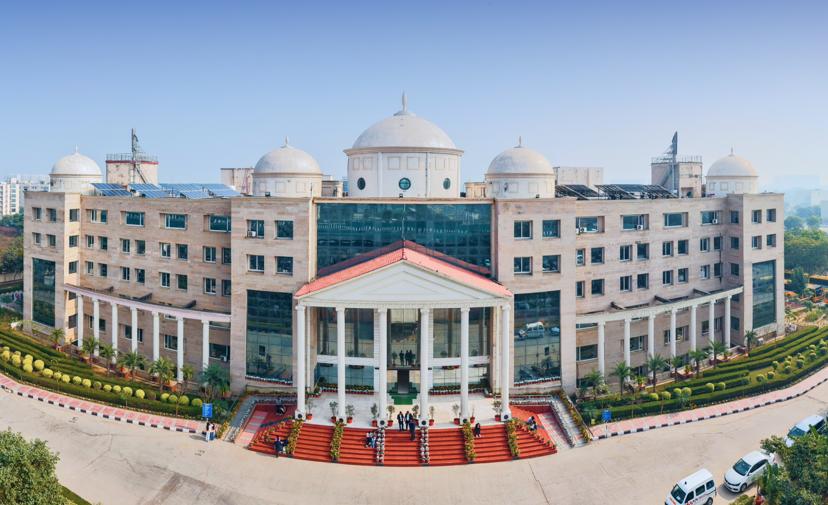













 13+Years of Educational Experience