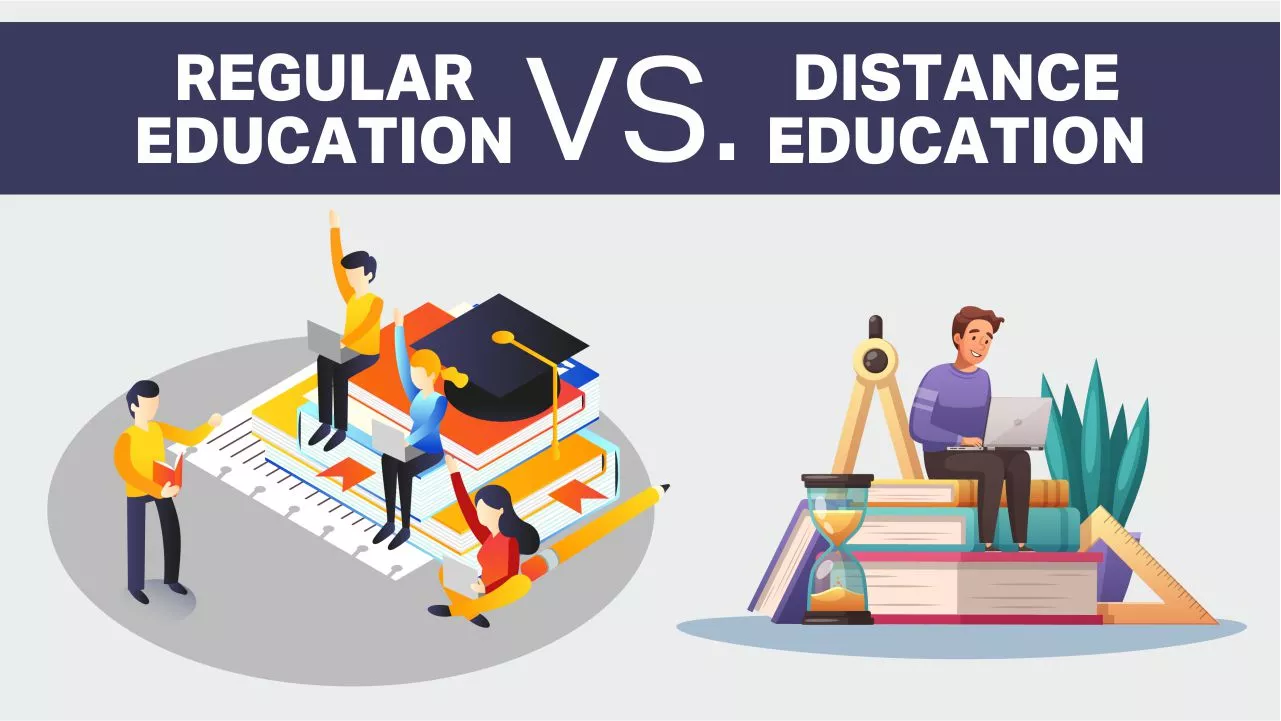
Education is the foundation of personal and professional growth, whether it comes from distance education or regular. In today’s digital age, there are more options than ever before. Traditional face-to-face learning, known as regular education, has been the predominant method for centuries. However, with advancements in technology, distance education has emerged as a popular alternative. Many students today look for flexible study options because of work commitments, travel issues, or personal responsibilities. At the same time, others prefer structured classroom learning where they can interact with teachers and classmates directly. Both forms of education play an important role in today’s academic world and are widely accepted across many fields.
In this blog, we will explore regular vs distance education including their meanings, modes of delivery, benefits, and considerations. By understanding these aspects, you can make an informed decision about which approach suits your learning needs and circumstances.
Quick Glance at the Blog
Below is a concise, tabular overview that summarises the complete information on the Regular Education vs. Distance Education and the KRMU advantage in a structured and easy-to-read format. In short, it is a summarised version of the information provided in the blog.
| Aspect |
Regular Education |
Distance Education |
| Definition |
Traditional education, where students attend classes physically in an institution |
Education delivered remotely using technology without physical classroom attendance |
| Mode of Learning |
Face-to-face interaction with instructors and classmates |
Online courses, video lectures, webinars, virtual classrooms |
| Learning Environment |
Structured classroom with fixed schedules |
Flexible, self-paced, and location-independent |
| Interaction |
Direct and immediate communication with teachers and peers |
Virtual interaction through digital platforms |
| Quality of Education |
High-quality education with real-time guidance |
Designed to offer equal quality with rigorous academic standards |
| Curriculum & Assessment |
Standard curriculum with in-person assignments and exams |
Similar curriculum with online assignments and assessments |
| Accreditation & Recognition |
Widely recognised and accepted |
Accredited programs are equally recognised in the job market |
| Key Benefits |
Immediate feedback, peer collaboration, hands-on learning, campus facilities, structured routine |
Flexibility, accessibility, self-paced learning, cost-effectiveness, and digital skill development |
| Practical Exposure |
Strong emphasis on labs, workshops, and practical demonstrations |
Limited hands-on exposure; relies on virtual simulations |
| Skill Development |
Social skills, teamwork, discipline, and time management |
Self-discipline, time management, and digital literacy |
Regular Education: The Traditional Classroom Experience
Regular education refers to the traditional mode of education where students attend classes physically in an institution. It involves face-to-face interaction with instructors and classmates. This conventional approach offers a structured learning environment with fixed schedules and real-time interaction with teachers.
Distance Education: Embracing Flexibility and Technology
Distance education enables learners to pursue their education remotely, without being physically present in a traditional classroom setting. It utilizes technology to deliver educational content, facilitate communication, and assess student progress. Distance education encompasses a range of formats, including online courses, video lectures, interactive webinars, and virtual classrooms.
Is Distance Education Equal to Regular Education?
While distance education differs from regular education in terms of delivery and physical presence. It is designed to provide the same quality of education. Distance learning programs are developed and delivered by experienced instructors who adhere to rigorous academic standards.
The curriculum, assignments, and assessments are designed to ensure students acquire the necessary knowledge and skills for their chosen field. Moreover, accredited institutions offer distance education programs that are recognized and respected in the job market.
Benefits of Regular Education
Regular education offers several advantages that stem from face-to-face interaction and a structured classroom environment. It promotes immediate feedback and clarification of concepts through direct communication with instructors.
Regular education also encourages peer interaction and collaboration, fostering teamwork and social development. Furthermore, in-person learning allows for hands-on experiences, laboratory work, and practical demonstrations. It could be valuable in fields such as science, engineering, and healthcare.
Students also benefit from regular routines, time management, and discipline that come with attending classes on campus. Traditional campuses provide access to libraries, sports facilities, workshops, and extracurricular activities that contribute to personality development. For many learners, the structured atmosphere and constant guidance from teachers create a motivating environment to stay focused and engaged.
Benefits of Distance Education
Distance education offers unique benefits that cater to the needs of a diverse learner population. The flexibility of scheduling allows individuals to balance their educational pursuits with work, family responsibilities, or other commitments.
Students have the freedom to learn at their own pace and access course materials from anywhere with an internet connection. Distance education also promotes self-discipline, time management, and digital literacy skills, which are increasingly essential in today’s interconnected world.
Additionally, it provides opportunities for learners in remote or rural areas who may not have access to quality educational institutions nearby. Many online courses include recorded lectures, e-learning platforms, and virtual libraries, making learning more accessible and personalised. Distance education is also cost-effective for students, as it often reduces expenses related to travel, accommodation, and physical study materials.
Considerations for Choosing the Right Path
When deciding between regular education and distance education, consider the following factors:
- Learning Style: Reflect on your preferred learning style and how it aligns with the modes of instruction in each format. Some individuals thrive in face-to-face interactions, while others excel in self-directed online learning.
- Flexibility: Assess your lifestyle, work commitments, and personal obligations. Distance education offers more flexibility. It allows you to customize your learning schedule to accommodate other responsibilities.
- Practical Considerations: Evaluate the practicality of attending regular classes, including commuting time, living arrangements, and financial implications. Distance education eliminates these concerns, providing a cost-effective alternative for many students.
- Career Goals: Research the specific requirements and expectations of your desired career path. Certain professions may require hands-on training or prefer candidates with a traditional education background.
KRMU and Regular vs. Distance Education
K.R. Mangalam University is primarily known for its regular, full-time degree programs, designed to give students an immersive learning experience. Unlike distance education, KRMU focuses on real-time interaction, hands-on training, and on-campus exposure, which helps students build strong academic and professional skills.
Conclusion
Both distance education and regular education have their unique advantages and considerations. Regular education offers face-to-face interaction, hands-on experiences, and structured learning environments.
On the other side, distance education provides flexibility, convenience, and accessibility. Ultimately, the choice between the two depends on individual preferences, circumstances, and educational goals. By carefully considering these factors, one can embark on a learning journey. A journey that suits your needs and sets you up for success in your chosen field.
If you want a degree that offers practical learning, industry exposure, and strong placement opportunities, K.R. Mangalam University’s regular programmes are an excellent choice. Students receive guidance, hands-on experience, and a vibrant campus life that distance education cannot provide.
FAQs
Which is better distance degree or a regular degree?
Neither of the two is inherently better. It all depends upon the personal ambitions, career goals, and financial situation of individuals.
What is the core difference between a regular and a distance certificate?
The basic difference is the learning experience. Regular offers structured, in-person classes, while distance learning relates to flexible education options offering digital learning.
Can I get a job with distance education?
Indeed. One can land at his/her preferred job if they match the desired job requirements and qualifications.
How are exams conducted in distance education?
Online medium via secure, proctored platforms, which allows students to take tests from home using a webcam and microphone.




 13 Schools700+ Faculty Members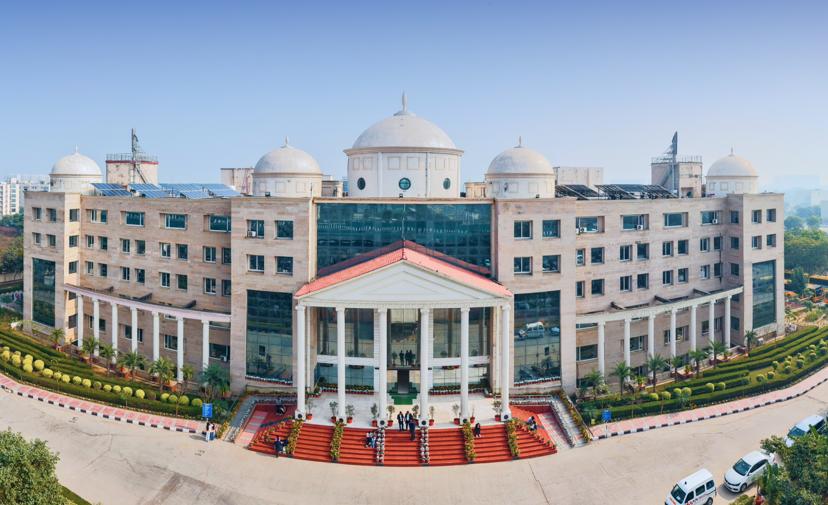













 13+Years of Educational Experience