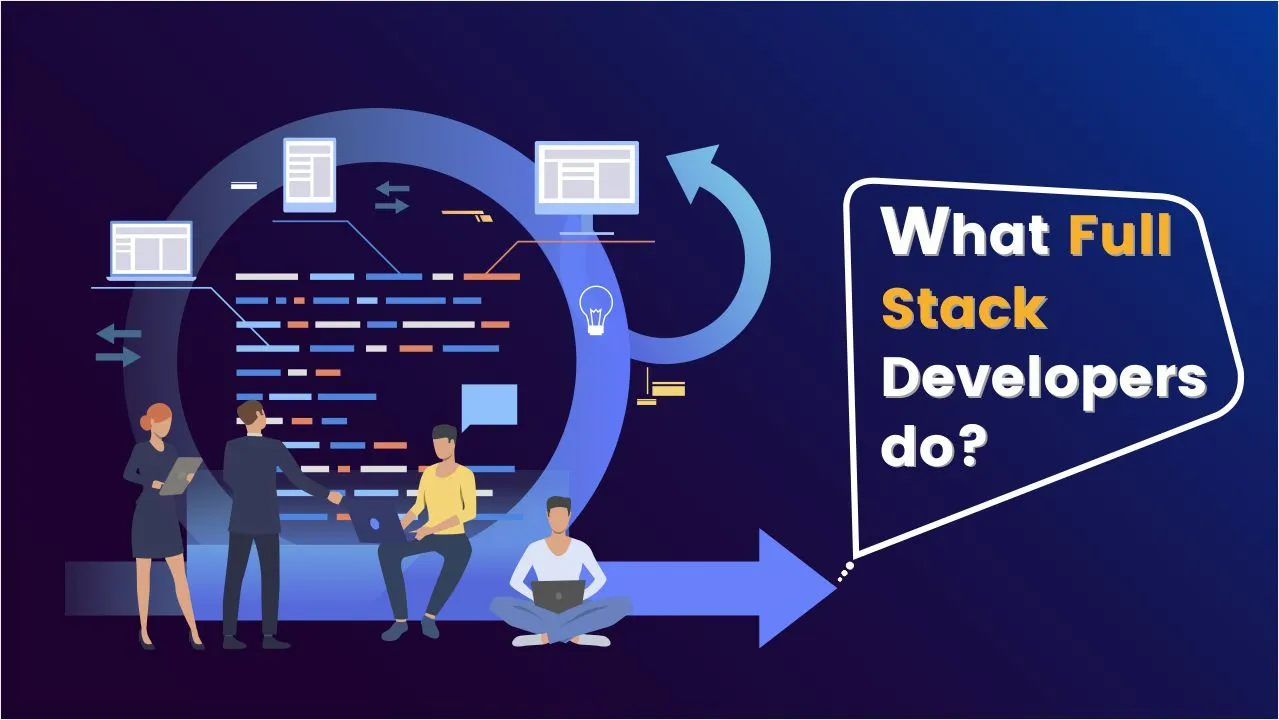
The demand for full stack developers is increasing as technology advances. They play a crucial role in creating dynamic and interactive web applications. With a wide range of skills and expertise, enabling them to handle both frontend and backend development tasks.
To be a successful full-stack developer, it is important to have expertise in both areas of the development process. Developers who specialise in full-stack programming often work for companies that design websites, software, and other business components.
Who is a Full-Stack Developer?
A full-stack developer is a professional who possesses the skills and knowledge to handle both front-end and back-end development tasks. They have a deep understanding of various programming languages, frameworks, and tools required to build web applications from scratch.
A full-stack developer is proficient in frontend technologies such as HTML, CSS, and JavaScript, as well as backend technologies like databases, server-side scripting, and API development.
Role of a Full-Stack Developer
The role of a full stack developer is multifaceted and encompasses various responsibilities throughout the software development lifecycle. They are involved in gathering requirements, designing the application architecture, and implementing frontend and backend functionalities.
It ensures the application’s performance and security. Full-stack developers work closely with designers, project managers, and other team members to deliver high-quality web applications.
Average Salary of a Full-Stack Developer
The demand for full-stack developers is on the rise, and as a result, they are often rewarded with competitive salaries. The average salary of a full-stack developer varies depending on factors, such as location, experience, skill set, and company size.
According to recent industry reports, the average salary for full-stack developers ranges from ₹ 1.8 Lakhs to ₹ 16.0 Lakhs per year. However, it’s important to note that these figures can significantly differ based on regional variations and individual qualifications.
How to Build a Career in the Full-Stack Development Field?
Building a successful career in full-stack development requires a combination of technical skills, continuous learning, and practical experience. Here are some steps to help you get started:
- Master Frontend and Backend Technologies: Begin by acquiring a solid understanding of HTML, CSS, JavaScript, and frontend frameworks like React or Angular. Simultaneously, delve into backend technologies such as Node.js, Python, or Ruby on Rails.
- Learn Database Management: Gain proficiency in working with databases, including SQL and NoSQL, to store and retrieve data efficiently.
- Explore Server-Side Development: Familiarise yourself with server-side scripting languages like PHP, Python, or Java, and learn about server management and deployment.
- Gain Hands-on Experience: Build real-world projects to strengthen your skills and create a portfolio that showcases your abilities to potential employers.
- Stay Updated: Keep up with the latest industry trends, technologies, and frameworks. Attend conferences, join online communities, and read technical blogs to stay informed.
- Collaborate and Network: Engage with other developers, participate in open-source projects, and leverage online platforms to network with professionals in the field.
Where to Pursue Full-Stack Development Courses?
There are several options available to pursue full-stack development courses, depending on your preferences and resources:
- Online Learning Platforms: Platforms like Udemy, Coursera, and edX offer comprehensive full-stack development courses taught by industry experts. These platforms provide flexibility in terms of schedule and allow you to learn at your own pace.
- Coding Bootcamps: Coding bootcamps provide intensive, immersive programmes that can equip you with the necessary skills to kickstart your career in a relatively short period. Research reputable boot camps such as General Assembly, Le Wagon, or Flatiron School for full-stack development courses.
- University Programs: Many universities and colleges offer degree programs or specialised courses in full-stack development. These programmes provide in-depth knowledge and are often complemented by practical projects and internships.
Conclusion
Becoming a full-stack developer requires dedication, continuous learning, and hands-on experience. By mastering frontend and backend technologies, building a strong portfolio, and staying updated with industry trends, you can embark on a successful career in this dynamic field.
Remember, choosing the right learning path and investing time and effort are crucial to becoming a proficient full-stack developer.
Also Read: 5 Full Stack Web Development Course Lessons from the Professionals




 13 Schools700+ Faculty Members
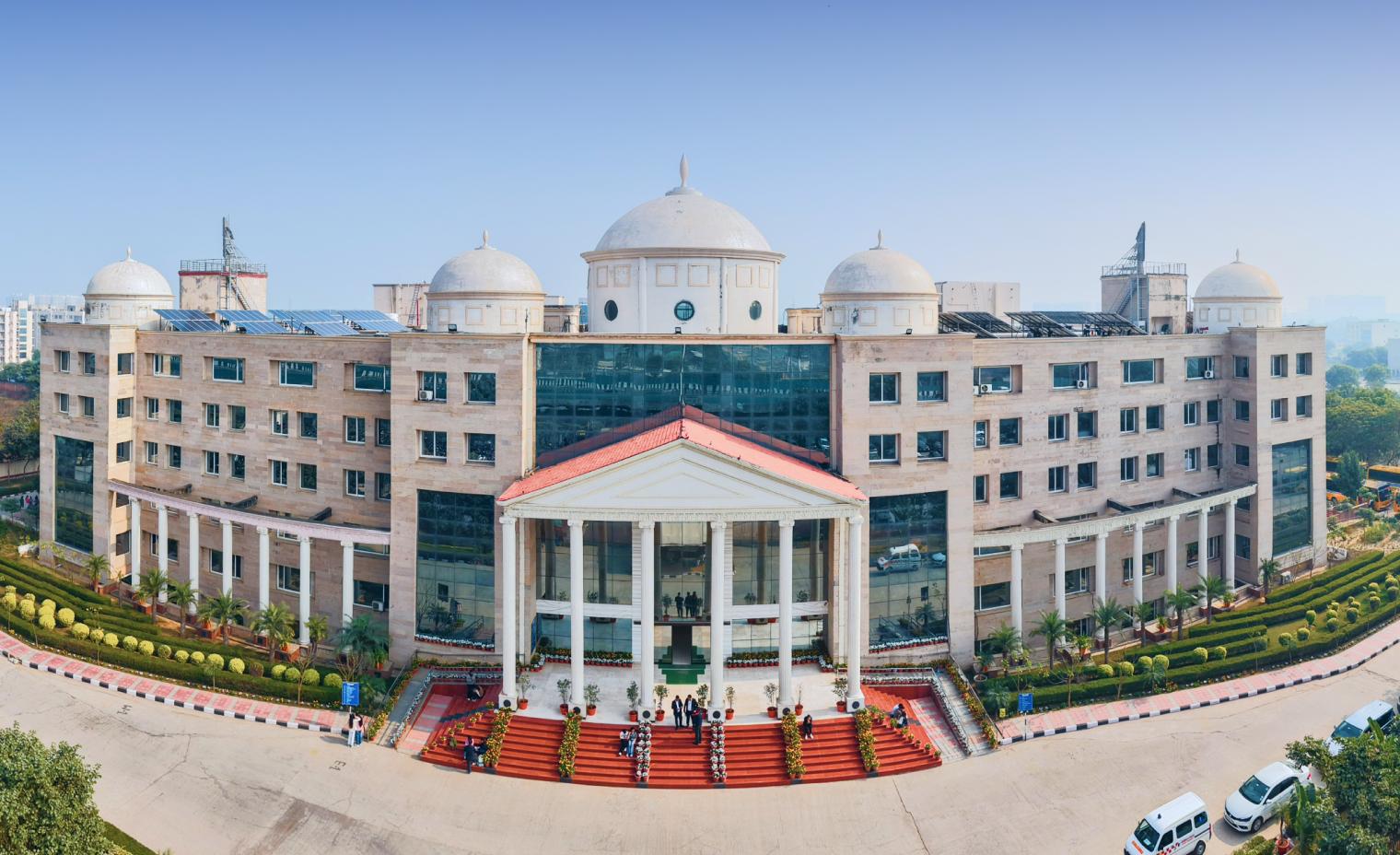













 13+Years of Educational Experience