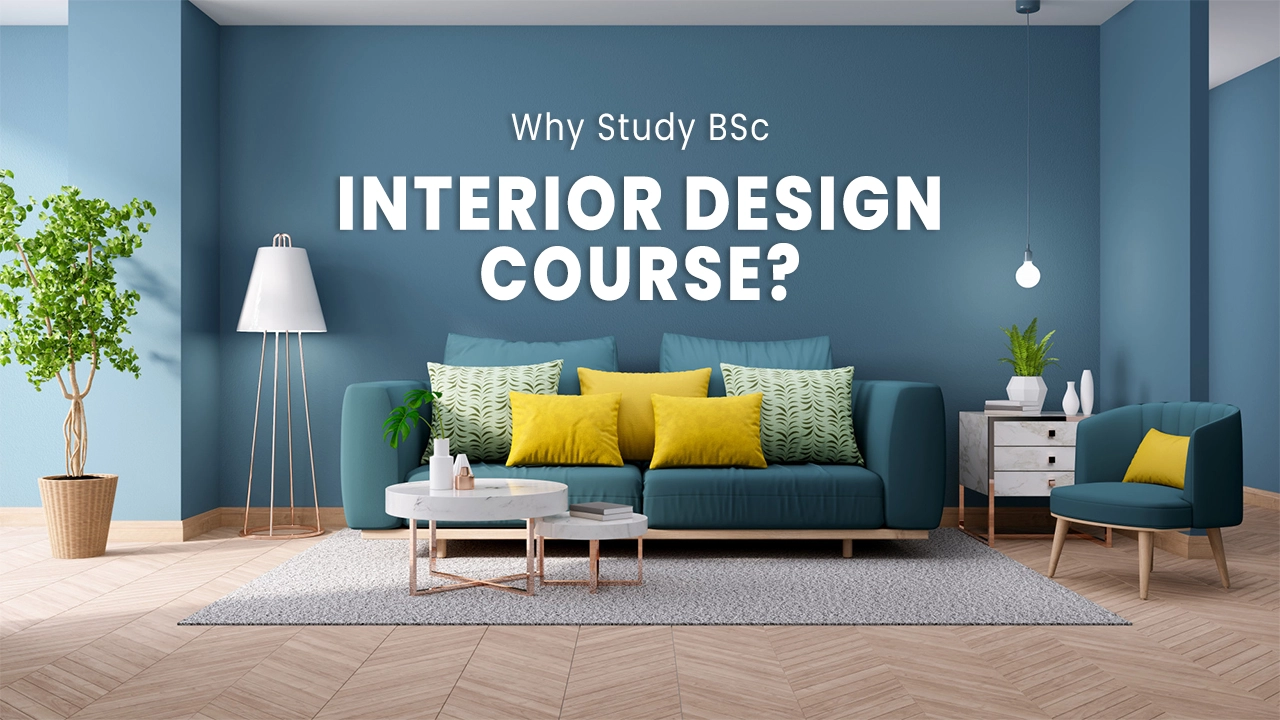
Why study the B.Sc. Interior Design course? Interior designers play a vital role in shaping our living spaces – they bring ideas from conceptualisation through completion. A well-designed space creates an ambience that enhances moods while providing functionality to support one’s lifestyle. As such, many aspiring creatives look to pursue higher education opportunities in this field.
While associate degree and certificate programmes are available, those who desire advanced career options and research interests may consider earning a bachelor’s degree in interior design, commonly known as a B.Sc. in Interior Design course.
Through this blog, we aim to give a clear and comprehensive understanding of this course.
What is a B.Sc. in Interior Design?
B.Sc. interior design full form is Bachelor of Science in Interior Design. The degree offers specialized learning opportunities beyond foundational core requirements. Programmes often include tracks such as residential or commercial design.
The programme helps students to explore industry-specific skills. In this blog post, we will explore several interesting reasons why studying a Bachelor of Science in Interior Design course can open up exciting career opportunities and fulfil your creative aspirations.
Besides, pursuing a degree in interior design not only improves your creative thinking but also strengthens your technical expertise. This will give you an idea about design principles, space planning, material and lighting sustainability. Likewise, during the course, you’ll also learn about modern software, such as:
- AutoCAD – Used to create detailed designs, layouts and technical drawings.
- SketchUp – Known to make quick 3D modelling with easy-to-use design features.
- Revit – A BIM (Building Information Modelling) is a handy tool that allows for precise architectural and interior design planning.
- 3ds Max – Very useful for creating high-quality 3D renderings and animations.
- Lumion – Popular for designing realistic 3D visualisations with lighting and texture effects.
- Chief Architect – Helps to design residential and commercial interior projects.
Unleash Your Creativity
Interior design is a platform for creative expression. It allows you to showcase your artistic talents and design sensibilities. It enhances students’ creativity by transforming ordinary spaces into captivating environments. Whether it’s designing residential spaces, offices, retail stores, or public venues, the programme provides you with the freedom to bring creative ideas to life and leave a lasting impact.
Blend Art and Science
Studying a Bachelor of Science in Interior Design course comes with a unique opportunity to blend art and science. One can learn about colour theory, spatial planning, materials, lighting, and ergonomics, among other subjects.
This multidisciplinary approach ensures that your designs not only look visually appealing but also meet practical requirements. It also enhances the well-being of those who occupy the space.
Variety of Career Opportunities
The demand for interior designers is on the rise, and a degree in BSc interior design equips you with the skills needed to excel in the industry. Upon graduation, you can explore various career paths. From working as a residential or commercial interior designer, set designer, exhibition designer, retail designer, or even starting your own design firm.
Apart from this expertise, you can also explore various other career opportunities to work beyond traditional spaces. It’s due to the recent growth in properties and demand for smart homes. Many interior designers collaborate with builders and architects to develop real estate.
The versatility of the profession allows you to choose an area that aligns with your interests and personal style.
Make a Difference in People’s Lives
Interior design goes beyond aesthetics; it has the power to positively affect people’s lives. By creating functional, well-designed spaces, you can enhance the quality of life for individuals and communities.
Thoughtfully designed interiors can promote productivity, improve well-being, and create a sense of harmony and comfort. The ability to make a difference in people’s lives through your creative vision is a rewarding aspect of a career in interior design.
Collaborative and Dynamic Work Environment
Interior design is a collaborative field that involves working closely with clients, architects, contractors, and other professionals. This collaborative nature fosters a dynamic work environment, where you can continuously learn from others, exchange ideas, and be part of a team that brings visions to reality.
The diversity of projects and clients ensures that no two days are the same, keeping the work exciting and engaging.
K.R. Mangalam University (KRMU) and its Bachelor of Design (B.Des.) (Hons. / Hons. with Research) Interior Design Course
K.R. Mangalam University offers a creatively-rich and industry-oriented B.Des. programme designed for students passionate about shaping functional and beautiful indoor spaces. This course blends aesthetic principles with practical design skills, enabling learners to think not just like designers but also problem-solvers who understand space, form, function, and user experience.
What sets KRMU’s Interior Design programme apart is its hands-on approach to learning. Students engage in studio practice, design workshops, site visits, and live projects that mimic real-world challenges — giving them the confidence to tackle professional assignments from early in their academic journey. Courses cover key areas such as space planning, material studies, lighting design, sustainable interiors, CAD & 3D visualization, furniture design, and project management.
KRMU places a strong emphasis on the use of modern design tools (like AutoCAD, SketchUp, and rendering software) and cultivates creative thinking alongside technical competence. Students are mentored by faculty with deep industry experience, enabling them to blend creativity with best practices in design.
The programme also incorporates industry exposure, internships, and collaborative interactions with design professionals, which helps students build portfolios that stand out. With India’s booming real estate, hospitality, and commercial sectors, this training prepares graduates to pursue careers as interior designers, residential space planners, retail designers, sustainable design consultants, or even entrepreneurial design studio founders.
Conclusion
Studying a Bachelor of Science in Interior Design course opens up a world of possibilities for students. The programme combines your passion for creativity with the ability to create functional and visually appealing spaces.
With a diverse range of career opportunities, the course gives you a chance to make a positive impact on people’s lives. With a collaborative work environment, pursuing a BSc Interior Design degree in interior design is an excellent choice for those with an artistic flair and a desire to shape the spaces we inhabit.
KRMU’s B.Sc. Interior Design programme offers a balanced blend of creativity, technical expertise, and real-world exposure, preparing students for the dynamic design industry. KRMU gives prospective interior designers the abilities, self-assurance, and professional preparedness necessary to establish prosperous careers in the residential, commercial, and hospitality design sectors via practical studio instruction, cutting-edge design tools, and active industry involvement.
So, if you are ready to embark on a rewarding journey that merges art, science, and innovation, consider pursuing a Bachelor of Science in Interior Design course from KRMU and unlock your potential in this exciting field.
FAQs
What is B.Sc. Interior Design?
B.Sc. Interior Design is an undergraduate programme that focuses on designing functional, aesthetic, and sustainable interior spaces for residential, commercial, and public environments.
Why should I choose K.R. Mangalam University for B.Sc. Interior Design?
KRMU offers an industry-aligned curriculum, hands-on studio learning, modern design software training, expert faculty, and strong internship opportunities that prepare students for real-world design careers.
What is the duration of the B.Sc. Interior Design course at KRMU?
The programme is typically a 3-year undergraduate course, divided into six semesters.
What skills will I learn during the course?
Students gain skills in space planning, material selection, lighting design, CAD & 3D visualization, furniture design, project management, and sustainable interior practices.
What career options are available after completing B.Sc. Interior Design from KRMU?
Graduates can work as interior designers, space planners, furniture designers, retail and commercial designers, design consultants, or start their own design studios.




 13 Schools700+ Faculty Members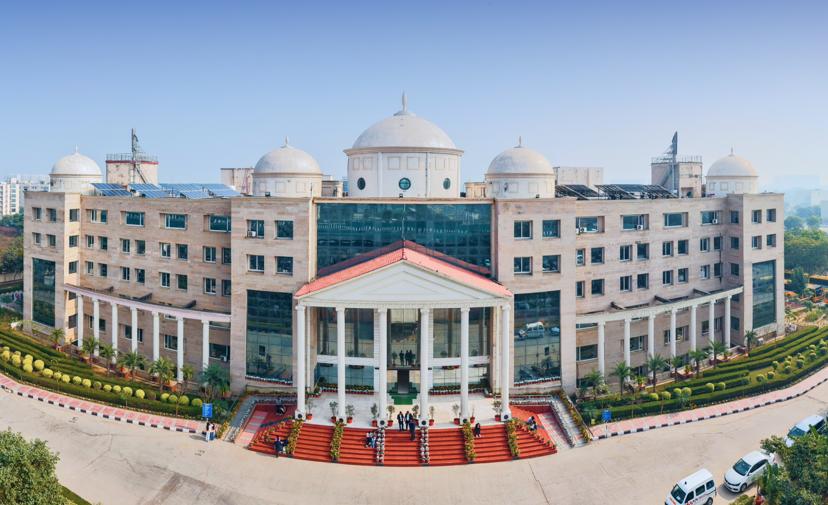













 13+Years of Educational Experience