A NEET score can open doors to medicine, but the right course choice shapes the career that follows.
The National Eligibility cum Entrance Test (NEET), formerly known as the All India Pre-Medical Test (AIPMT), is conducted by the National Testing Agency (NTA) for admission to undergraduate medical programmes in India. In India, NEET has become the only entrance exam for medical science programmes. Every year, thousands of applicants apply to NEET in order to be admitted to medical programmes in various medical specialities. Due to the restricted number of places available at these universities, competition is fiercer than ever and only gets more difficult each year.
Candidates are more ambitious than ever these days. Immediately following the completion of NEET exams, they search for questions, including ‘After NEET which course is best?’
This blog will help students get the answers to various questions related to NEET.
Overview of This Blog
| Section |
What You’ll Learn |
| What to Do After NEET? |
Key steps to take after NEET results, including score analysis, college research, and course selection. |
| How to Apply for Counselling After NEET? |
Understanding the NEET counselling process, registration, seat allotment, and admission procedures. |
| Main Categories of Counselling |
Differences between All India Quota (AIQ) and State Quota counselling, along with eligibility criteria. |
| Courses After NEET |
Overview of popular NEET-based programmes such as MBBS, BDS, BAMS, BHMS, BSMS, BUMS, and BVSc & AH. |
| PCB Courses After 12th Without NEET |
Alternative healthcare and science courses including B.Pharm., D.Pharm., BPT, and B.Sc. Forensic Science. |
| After NEET Which Course Is Best? |
Factors to consider when choosing the right course based on rank, interests, career goals, and budget. |
| Career Options After NEET |
Explore career pathways in clinical practice, hospital administration, medical research, diagnostics, and allied healthcare sectors. |
| Expert Tips for Choosing the Right Course |
Practical guidance on evaluating accreditation, faculty expertise, laboratory facilities, internships, and placement opportunities. |
| KRMU for NEET-Qualified Students |
Learn how K.R. Mangalam University supports healthcare aspirants through industry-aligned programmes, modern infrastructure, and career development initiatives. |
| Conclusion |
Key takeaways to help students confidently choose the right healthcare programme and career path after NEET. |
What to Do After NEET?
After the NEET results are announced, students should first check their NEET score and All India Rank to understand where they stand. The next step is to verify eligibility for counselling processes. Based on the rank, students should explore both medical and non-medical career options. Finally, it is important to shortlist colleges and courses. It can be done by matching personal interests, career goals, and NEET performance to make an informed decision.
How to Apply for Counselling After NEET?
There are two main types of NEET counselling:
- All India Quota (AIQ) (15%) for central institutes, deemed universities, and AIIMS/JIPMER seats (by MCC).
- State Quota (85%) for state government/private college seats (by state authorities).
Additionally, distinct seat pools and eligibility requirements are covered by separate counselling for deemed universities, central universities, AFMC, ESIC, and private colleges, which are frequently run by MCC or state organisations.
Main Categories of Counselling
All India Quota (AIQ) Counselling (15%):
- Conducted by: Medical Counselling Committee (MCC).
- Seats: 15% of government medical/dental seats nationwide.
- Institutions: Includes all seats in Deemed Universities, Central Universities (DU, BHU, AMU), AIIMS, JIPMER, ESIC, and AFMC.
- Eligibility: Open to all NEET-qualified candidates from any state.
State Quota Counselling (85%):
- Conducted by: Respective State Counselling Authorities.
- Seats: 85% of government medical/dental seats within a state.
- Institutions: Covers all private medical/dental colleges in that state.
- Eligibility: Primarily for students with state domicile.
Courses After NEET
To find out after NEET which course is best, it is important to understand these courses after NEET.
| Courses |
Descriptions |
| MBBS (Bachelor of Medicine, Bachelor of Surgery) |
For students who want to specialise in particular medical fields of study, research, and treatment, MBBS is a great starting point. |
| BDS (Bachelor of Dental Surgery) |
Another rewarding option for those seeking a career after passing NEET is the Bachelor of Dental Surgery (BDS). As a dentist, you may improve people’s lives by giving them necessary dental care. |
| BAMS (Bachelor of Ayurvedic Medicine and Surgery) |
Another option for those who passed NEET to pursue a career in medicine is the Bachelor of Ayurvedic Medicine & Surgery, or BAMS. Ayurveda is a great option for people seeking a job that combines traditional Ayurveda with contemporary innovation because the Central Council of Indian Medicine (CCIM) oversees this field. |
| BHMS (Bachelor of Homeopathic Medicine and Surgery) |
BHMS is an excellent option for people seeking an alternative conventional approach to helping others. BHMS practitioners can offer their patients holistic care by combining their understanding of the body’s self-healing capabilities with homoeopathic medicine. |
| BSMS (Bachelor of Siddha Medicine and Surgery) |
With origins dating back thousands of years, Siddha is a traditional medical method. Anatomy, physiology, pharmacology, pathology, and other fundamental Siddha concepts can be developed by students and combined with the efficacy of herbal treatment. The approach highlights the significance of fostering general well-being rather than merely treating disorders. |
| BUMS (Bachelor of Unani Medicine and Surgery) |
Yoga and naturopathy are combined in the Bachelor of Naturopathy and Yoga Sciences (BNYS) programme to enhance wellbeing.
Alongside naturopathy techniques, including nutrition treatment, hydrotherapy, and lifestyle changes, students will study anatomy, physiology, and pathology in-depth.
|
| BVSc & AH (Bachelor of Veterinary Science and Animal Husbandry) |
The goal of this course is to equip motivated students with the foundational information and practical skills required to become proficient veterinarians. |
PCB Courses After 12th Without NEET
These courses are for those who are looking for non-NEET alternatives:
| Courses |
Descriptions |
| B.Sc. Forensic Science |
Combines science and criminal investigation. It prepares students for roles in forensic labs, law enforcement support, and analytical research. |
| B.Pharm. (Bachelor of Pharmacy) |
Focuses on pharmaceutical sciences, drug development, medicine formulation, and patient care. It prepares students for careers in pharmacies, pharmaceutical companies, healthcare organisations, and research. |
| D.Pharm. (Diploma in Pharmacy) |
A career-orientated diploma programme that provides foundational knowledge of medicines, drug dispensing, and pharmacy practice. It enables students to begin careers in pharmacies, hospitals, and pharmaceutical services. |
| Bachelor of Physiotherapy (BPT) |
Focuses on physical rehabilitation, movement therapy, injury recovery, and preventive healthcare. Graduates can pursue careers in hospitals, rehabilitation centres, sports clinics, and wellness organisations. |
After NEET Which Course Is Best?
There is no single best course after NEET. The right choice depends on individual factors. NEET rank plays a key role in determining eligibility for courses like MBBS, BDS, or allied health sciences. Students should also consider their career goals while making the choice. The duration and cost of the course are important for long-term planning.
Career Options After NEET
NEET is often associated with MBBS, but it can open doors to a wide range of healthcare careers. Depending on their interests and chosen programme, students can build careers in patient care, healthcare management, medical research, diagnostics, and allied health sciences.
- Clinical Practice: This pathway focuses on direct patient care and treatment. Students may pursue careers as doctors, dentists, physiotherapists, pharmacists, or practitioners in AYUSH disciplines, contributing directly to patient health and well-being.
- Hospital Administration: Students interested in healthcare leadership can explore roles in hospital administration and healthcare management. These professionals oversee hospital operations, healthcare services, patient experience, and resource management to ensure efficient healthcare delivery.
- Medical Research: Medical research offers opportunities to contribute to scientific discoveries, drug development, clinical trials, and healthcare innovation. It is well suited for students interested in advancing medical knowledge and improving future treatments.
- Diagnostics and Laboratory Sciences: This field plays a vital role in disease detection and treatment planning. Professionals work in pathology laboratories, diagnostic centres, and imaging facilities, supporting doctors through accurate testing, analysis, and reporting.
- Public Health: Public health professionals work on disease prevention, health awareness, community healthcare, and population-level health programmes. They may work with government agencies, NGOs, healthcare organisations, and research institutions.
- Pharmaceutical Industry: The pharmaceutical sector offers opportunities in drug development, production, quality control, regulatory affairs, pharmacovigilance, and sales. It can be a suitable pathway for students interested in medicines and healthcare products.
- Healthcare Technology: Students interested in technology can explore healthcare technology, medical devices, digital health, and healthcare informatics. Professionals in this area contribute to developing and implementing technology-driven healthcare solutions.
- Nutrition and Wellness: Nutrition and wellness careers focus on healthy eating, lifestyle management, and preventive healthcare. Professionals may work with hospitals, wellness centres, fitness organisations, and healthcare programmes.
- Academic and Teaching Careers: Students who pursue higher education can build careers in teaching and academia. They may work as educators, lecturers, trainers, or academic researchers in colleges, universities, and healthcare institutions.
Expert Tips for Choosing the Right Course
- Check Accreditation and Approvals: Ensure the course and institution are recognised by relevant authorities for degree validity and career acceptance.
- Review Faculty Expertise and Lab Facilities: Experienced faculty and modern laboratories support strong conceptual learning and practical skills.
- Evaluate Internship and Clinical Exposure: Hands-on training and internships help bridge the gap between theory and real-world practice.
- Assess Placement and Higher Education Support: Look for career guidance, placement records, and support for higher studies to ensure long-term growth.
KRMU for NEET-Qualified Students
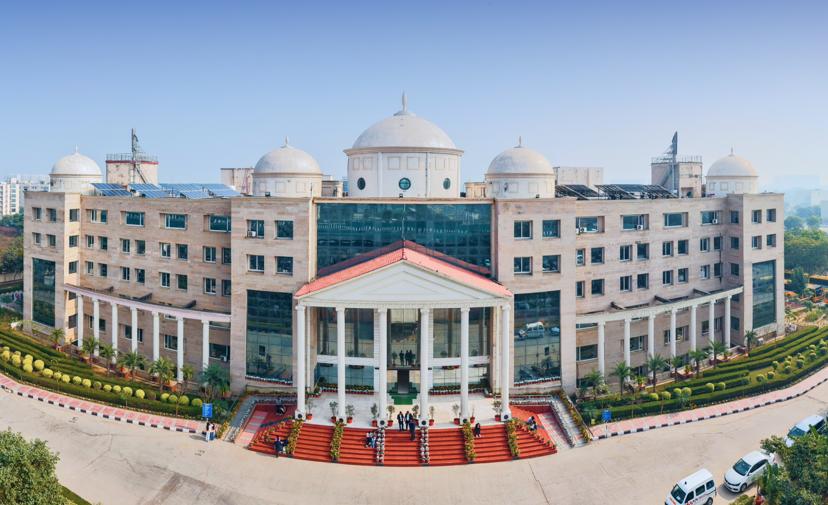
While NEET is primarily associated with medical admissions, many students also explore healthcare-focused programmes such as B.Pharm., D.Pharm., etc. at institutions like K.R. Mangalam University to build rewarding careers in the broader healthcare ecosystem. This university is in demand because of the following reasons:
- Industry-Aligned Curriculum: Programmes are designed to meet current industry requirements, ensuring students gain relevant knowledge and practical skills.
- State-of-the-Art Laboratories: Modern labs and advanced facilities provide hands-on learning, practical exposure, and research opportunities.
- Experienced & Qualified Faculty: Students learn from accomplished academicians and industry professionals who provide strong academic and career guidance.
- 100% Placement Assistance: Dedicated career support through internships, training sessions, placement drives, career counselling, and interview preparation.
Conclusion
NEET is an important gateway to healthcare education, but it is only the beginning of a much larger journey. From MBBS and BDS to AYUSH programmes, pharmacy, physiotherapy, and other healthcare-focused courses, students today have a wide range of options to build meaningful and rewarding careers. The right choice depends on individual interests, career aspirations, NEET performance, and long-term goals.
Before making a decision, students should carefully evaluate course outcomes, industry demand, practical learning opportunities, and future career prospects. A well-informed choice can help create a strong foundation for professional success in the healthcare sector.
For students exploring healthcare and life science programmes beyond traditional medical degrees, K.R. Mangalam University offers industry-aligned curricula, state-of-the-art laboratories, experienced faculty, and 100% placement assistance to support academic and career growth.
Your NEET score may open the door, but the course you choose determines the path ahead. Explore your options carefully and take the next step towards a fulfilling healthcare career.
Also Read: NEET UG 2026: Registration, Exam Date, Form & Pattern Guide
FAQs
What is the best course after NEET?
It depends on rank, interest, and career goals—MBBS, allied health sciences, and life science courses are all viable options.
Can I pursue a career in healthcare without NEET?
Yes, several PCB courses after 12th without NEET offer strong career prospects.
Is counselling mandatory after NEET?
Yes, to secure admission through NEET-based courses, counselling is essential.
Are private universities an option after NEET?
Yes, many reputed private universities offer NEET and non-NEET healthcare programmes.
















 13+Years of Educational Experience