Fashion is more than clothing—it’s a language of creativity, innovation, and self-expression.
Fashion today extends far beyond designing garments. It has become a field that is a combination of sustainability, technology, digital design, luxury retail, visual merchandising, and global fashion trends.
India’s fashion and apparel industry is continuously evolving at an unprecedented rate. With this growth and evolution, skilled designers are becoming increasingly sought after by brands, retailers, and design houses. Obviously, this has encouraged many students to conduct an online search for B.Des. fashion design admissions.
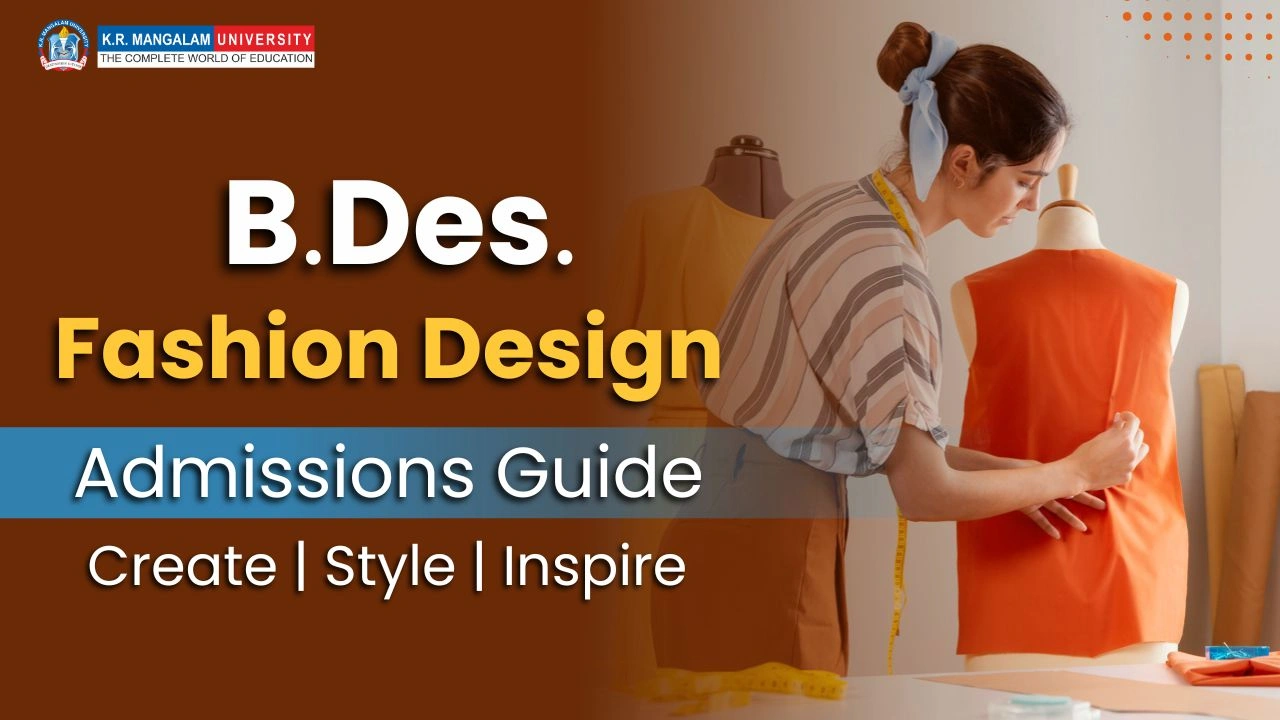
For students who are passionate about creativity, aesthetics and innovation, a Bachelor of Design (B.Des.) in Fashion Design can be the first step towards a rewarding career.
This blog explains everything about B.Des. Fashion Design admissions. It will also cover various aspects of this course, including details and careers.
Overview of This Table
| Sections |
What We Will Cover |
| Things to Know Before B.Des. Fashion Design Admissions |
Get an overview of the key aspects every aspiring fashion designer should understand before applying for a B.Des. fashion design programme. |
| Why Is Fashion Design Becoming a Popular Career? |
Discover the latest industry trends, market growth, employment opportunities, and why fashion design is emerging as a promising creative career. |
| Why Pursue Fashion Design After 12th? |
Know why students from any stream can do fashion design after Class 12th and how the programme develops creative and technical skills. |
| Fashion Designing Course Details |
Explore the course duration, core subjects, studio-based learning, internships, fashion shows, portfolio development, and practical training included in the programme. |
| B.Des. Fashion Design Admissions: Eligibility |
Understand the general eligibility criteria, admission requirements, and selection process followed by universities. |
| How to Apply for B.Des. Fashion Design? |
Follow a step-by-step guide covering the application process, eligibility verification, entrance assessment, admission confirmation, and fee payment. |
| Career Opportunities After B.Des. Fashion Design |
Explore diverse career options, along with their roles and indicative salary ranges. |
| Why Choose K.R. Mangalam University? |
K.R. Mangalam University’s B.Des. (Hons./Hons. with Research) Fashion Design program offers students exposure to industry, state-of-the-art design studios, live projects, internships, exhibitions and portfolio building. |
| Conclusion |
Summarise why fashion design is a satisfying career choice and emphasise the importance of selecting a university that offers industry-oriented learning and practical exposure. |
Things to Know Before B.Des. Fashion Design Admissions
Here are the things readers need to be clear on before discussing anything about B.Des. Fashion Design admissions.
Why Is Fashion Design Becoming a Popular Career?
According to recent industry reports, fashion design is becoming a popular career because:
- Ethical and sustainable fashion is becoming a major consumer trend. They’ve opened up new opportunities for designers who can create environmentally conscious products.
- The global fast-fashion market is poised to jump to $60 billion from $20 billion by 2030. It is a sign of the growing demand for new products in the fashion industry.
- India’s textile and fashion ecosystem is projected to generate nearly 40 lakh new jobs in the next four years, providing varied career opportunities in fields like fashion design, merchandising, retail, manufacturing and entrepreneurship.
These developments highlight why the competition is increasing for B.Des. fashion design admissions, as it can be a valuable step for students aspiring to build successful careers in one of the world’s fastest-growing creative industries.
Why Pursue Fashion Design After 12th?
After 12th grade, many students take admission in fashion design because it gives an early opportunity to develop creative and technical skills.
Generally, a student from any stream (science, commerce or humanities) can do a B.Des. in fashion design course, provided he/she fulfils the eligibility criteria of the university.
The programme encourages students to combine their creativity with business understanding and practical design skills.
Did You Know?
The Indian fashion and apparel industry is a major global powerhouse, valued at over USD 100 billion!
Fashion Designing Course Details
A B.Des. fashion design programme typically spans four years.
Students learn both artistic and technical aspects of fashion.
Common subjects include:
- Fashion Illustration
- Design Fundamentals
- Textile Science
- Pattern Making
- Garment Construction
- Fashion Styling
- Fashion Forecasting
- CAD for Fashion
- Surface Ornamentation
- Fashion Communication
- Sustainable Fashion
- Fashion Portfolio Development
Practical learning usually includes:
- Studio work
- Design projects
- Fashion shows
- Industry internships
- Portfolio development
- Live assignments
Also Read: Best B Design Course For Your Creative Career
B.Des. Fashion Design Admissions: Eligibility
Although admission requirements vary across universities, students generally need:
- Completion of Class 12th from a recognised board with minimum qualifying marks as prescribed by the university
- Entrance examination or merit-based admission (depending on the institution)
- Portfolio or interview (where applicable)
Students should always refer to the latest admission guidelines of their preferred university.
Did You Know?
India is the second-largest textile and apparel exporter in the world, supplying garments to major international markets
How to Apply for B.Des. Fashion Design?
The admission process generally includes the following steps:
Step 1: Submit the Online Application
Complete the application form and upload the required documents.
Step 2: Eligibility Verification
The university reviews academic qualifications.
Step 3: Entrance Test / Merit Evaluation
Admission may be based on:
- Class 12th performance
- University entrance examination
- Design aptitude assessment
- Personal interview (if applicable)
Step 4: Admission Offer
Selected candidates receive admission confirmation.
Step 5: Fee Payment
Complete the admission formalities and secure your seat.
Career Opportunities After B.Des. Fashion Design
Fashion graduates can explore opportunities across multiple industries.
| Career Option |
What They Do |
Key Skills |
Average Salary (Approx.) |
| Fashion Designer |
Design clothing, footwear, and accessories; create trend-driven collections; develop sustainable and consumer-focused designs; work with brands or as freelancers. |
Creativity, trend forecasting, material knowledge, garment construction, and sustainability |
₹4–12+ LPA |
| Textile Designer |
Create textile patterns, colour palettes, and fabric structures; develop prototypes; collaborate with manufacturing and R&D teams. |
Textile design, colour theory, fabric technology, research, product development |
₹4–10+ LPA |
| Fashion Stylist |
Style models and celebrities for fashion shows, photoshoots, events, and campaigns; collaborate with photographers and designers to create impactful looks. |
Fashion trends, styling, visual storytelling, communication, creativity |
₹4–15+ LPA |
| Fashion Illustrator |
Create fashion sketches and visual concepts to communicate design ideas for garments, collections, and campaigns. |
Illustration, digital drawing, creativity, fashion visualisation |
₹4–10+ LPA |
| Fashion Merchandiser |
Plan merchandise, forecast trends, set pricing strategies, coordinate with suppliers, and manage promotions and marketing activities. |
Trend forecasting, merchandising, marketing, negotiation, and business planning |
₹5–12+ LPA |
| Costume Designer |
Design costumes for films, theatre, TV, and opera to reflect characters, settings, and historical periods through clothing and accessories. |
Costume design, fashion history, storytelling, stage production, creativity |
₹5–15+ LPA |
Fashion Designers
Fashion designers bring creativity to life by transforming ideas into stylish clothing, footwear, and accessories that influence trends and inspire the fashion industry.
They have the responsibility of developing innovative collections that are both original and unique. They have to do this while adhering to current trends through a thorough understanding of materials, production methods, and an inherent sense of aesthetics. In addition to producing visually appealing items, they also have skills like:
- Identifying workable and sustainable solutions
- Meeting the expanding demands of consumers who are becoming more conscious and perceptive.
Through continuous research and creative experimentation, fashion designers draw inspiration from diverse cultures, historical influences, and emerging technologies to create innovative and meaningful designs.
Many professionals get the chance to work for famous brands or big fashion companies. Others choose to work as freelancers.
Average Salary: ₹4–12+ LPA
Textile Designers
In addition to defining the concepts and stylistic orientations, textile designers do research on colour schemes, textile structures, and patterns to be used in different manufacturing contexts. They develop prototypes, evaluate performance and help select the best spinning, weaving, printing or finishing methods.
Textile designers work closely with manufacturers, product managers, laboratory technicians, and R&D teams to ensure design concepts align with technical feasibility, production capabilities, and industry requirements.
Opportunities for textile designers may be found in the furniture and automotive sectors, fashion businesses, textile companies, consulting organisations, and institutions that specialise in material research.
Average Salary: ₹4–10+ LPA
Fashion Stylists
Fashion stylists analyse the latest fashion trends to create impactful looks for models and celebrities for fashion shows, photoshoots, events, and media appearances.
Fashion stylists shape the visual identity of brands, designers, and personalities by translating fashion concepts into compelling looks. Working closely with photographers, designers, and creative teams, they ensure every visual element aligns to create a strong aesthetic impact, making them an integral part of the fashion and entertainment industries.
Average Salary: ₹4–15+ LPA
Fashion Illustrators
Fashion illustrators bring design concepts to life through expressive sketches and digital illustrations. Their expertise in fashion aesthetics, trends, and visual storytelling helps designers communicate ideas, develop collections, and present creative concepts effectively.
Fashion illustrators communicate design ideas through creative sketches and digital artwork, translating concepts into visually engaging illustrations. Working closely with designers, merchandisers, and creative teams, they help visualise collections, refine design concepts, and present ideas with clarity and artistic appeal.
Average Salary: ₹4–10+ LPA
Fashion Merchandisers
Fashion merchandising is a dynamic and fast-paced field that combines creativity with business strategy. Fashion merchandisers primarily work from corporate offices but may also travel to manufacturing units, supplier locations, and retail stores to oversee product development, sourcing, and market execution.
A fashion merchandiser’s primary duties include:
- Planning merchandise
- Forecasting trends
- Planning prices
- Developing connections with suppliers and manufacturers
- Promotion and marketing
Average Salary: ₹5–12+ LPA
Costume Designers
Using the language of fashion to convey elements of a play or opera’s setting, atmosphere, and characters, costume designers create a story via apparel. The work involves much more than just putting together a lovely suit; it calls for:
- An eye for striking visual designs
- A strong grasp of stage production
- A solid knowledge of fashion and costuming history
Costume designers use every piece of clothing and accessory to create the characters and surroundings, immersing viewers—and actors—in their era, society, and environment.
Average Salary: ₹5–15+ LPA
Why Choose K.R. Mangalam University?
K.R. Mangalam University offers a B.Des. (Hons./ Hons. with Research) Fashion Design programme. It blends creativity with practical industry exposure. The curriculum focuses on:
- Design thinking
- Garment construction
- Textile exploration
- Fashion communication
- Digital design practices
Here, students benefit from:
- Modern design studios
- Experienced faculty
- Industry workshops
- Fashion exhibitions
- Portfolio development
- Live projects
- Internship opportunities
- Industry interactions
Conclusion
Fashion is changing fast, driven by advances in technology, sustainability and global consumer trends. The right institution can be the key to developing the creative, technical and professional skills needed to succeed.
Students searching for B.Des. Fashion Design admissions should carefully evaluate the curriculum, industry exposure, faculty expertise, infrastructure, and practical learning opportunities before making their final decision.
K.R. Mangalam University offers an industry-oriented learning environment to aspiring designers to convert their creativity into successful careers in the fashion industry.
Turn your passion for fashion into a successful profession with B.Des. Fashion Design, K.R. Mangalam University.
Also Read: KRMU is Among the Best Fashion Designing Colleges in India
FAQs
Who can apply for admission to B.Des. Fashion Design?
Eligibility: Generally, students who have passed Class 12th from a recognised board are eligible to apply. Admission criteria differ from university to university and can be based on merit, entrance exams or portfolio assessments.
How to get admission to B.Des. Fashion Design?
The admission process usually includes filling out the application form, eligibility check, merit test or entrance test, document verification and fee payment after selection.
What are the practical learning opportunities that are a part of a fashion design programme?
Most of the B.Des. in Fashion Design courses provide studio-based learning, live design projects, internships, fashion shows, portfolio development, workshops and industry interactions for practical experience.
Why is Fashion Design becoming a popular career choice?
The growth of India's apparel industry, increasing demand for sustainable fashion, expanding global retail, and rising opportunities in digital and luxury fashion have made fashion design an attractive career for creative professionals.
Does K.R. Mangalam University offer practical exposure in its B.Des. Fashion Design programme?
Yes. Students gain hands-on experience through design studios, live projects, industry workshops, fashion exhibitions, internships, and portfolio development, helping them build industry-ready skills.
























 13+Years of Educational Experience