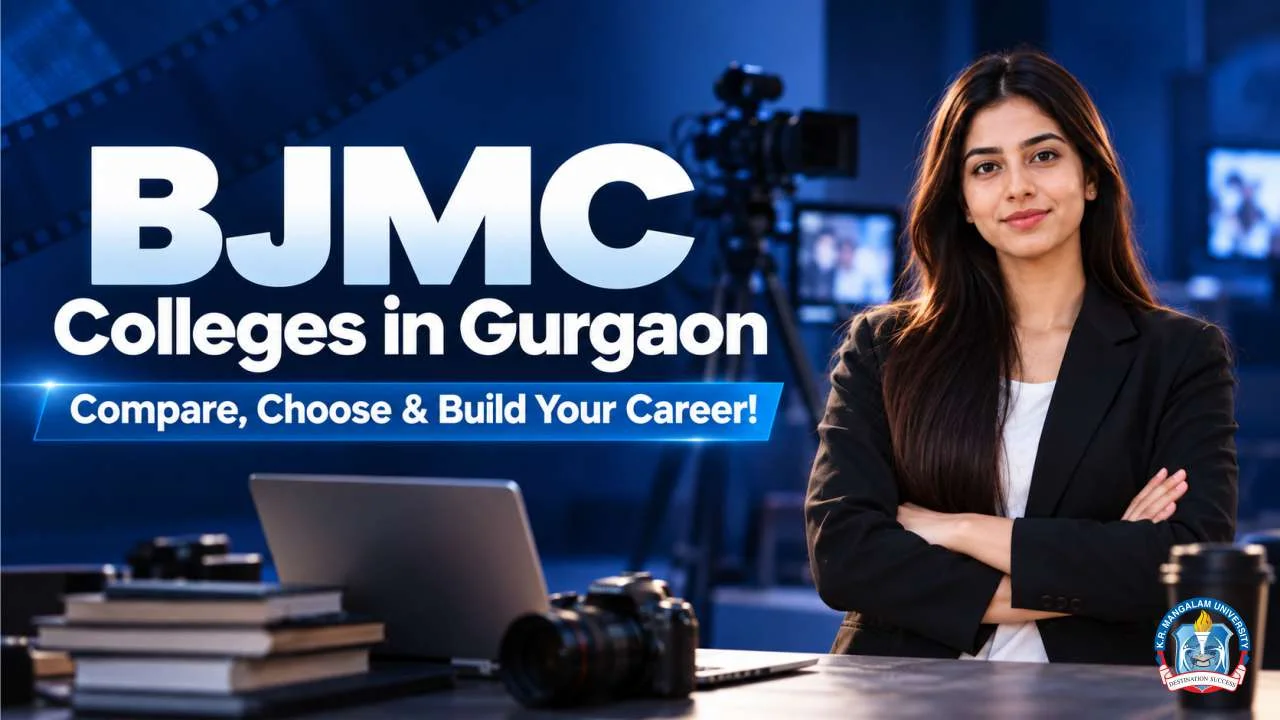
From journalism and digital media to advertising and public relations, BJMC opens pathways across the evolving media landscape.
Choosing the right undergraduate programme is important for students planning a career in journalism, digital media, advertising, public relations, or content creation. With several BJMC colleges in Gurgaon, students should consider more than course names and fees when comparing their options. Factors such as curriculum, specialisations, faculty support, practical learning, media facilities, internships, industry interaction, campus activities, and career support can help students make an informed decision. This guide explains what a BJMC programme covers and why students may consider studying journalism and mass communication in Gurugram.
Is BJMC Only About Journalism?
No. BJMC can cover areas such as digital media, advertising, public relations, photography, video production, media research, and social media communication. |
Before Learning About BJMC Colleges in Gurgaon, What Should Students Know?
Before beginning their search for BJMC colleges in Delhi NCR, candidates should be aware of the following:
What is a BJMC Course?
BJMC (Bachelor of Journalism and Mass Communication) is an undergraduate programme designed for students interested in journalism, media, communication, advertising, public relations, digital content, and related fields.
The programme is a combination of theoretical learning and practical activities. That is why it helps students to understand how information is researched, created, communicated, and presented across different media platforms.
What Students Learn
A BJMC programme helps students develop an understanding of both traditional and digital media. Depending on the university and curriculum, students may learn about
- News reporting
- Writing and editing
- Photography
- Video production
- Advertising
- Public relations
- Digital media
- Media research
- Communication strategies
Major Areas Covered
Some common areas covered in BJMC programmes include:
- Journalism and news reporting
- Writing and editing
- Digital journalism and content creation
- Advertising and public relations
- Radio and television production
- Photography and videography
- Media research and communication
- Social media and digital communication
- Media ethics and laws
- Emerging media technologies
Also Read: BJMC Course Details: Eligibility, Syllabus, Admission & Fee
Who Should Consider BJMC?
BJMC can be considered by students who have an interest in journalism, storytelling, writing, media production, communication, advertising, public relations, or digital content creation.
It may also suit students who enjoy researching topics, interacting with people, following current affairs, creating multimedia content, and working in fast-changing media environments.
Why Is Practical Learning Important in BJMC?
Practical projects, media production, reporting assignments, and other activities allow students to apply classroom concepts and develop industry-relevant skills |
Why Study Journalism and Mass Communication in Gurugram?
Gurugram has developed into a major corporate and business hub, creating opportunities for students interested in media, communication, advertising, public relations, and digital content.
Studying journalism mass communication in Gurugram can provide students with exposure to a professional environment where communication plays an important role across businesses and media-related industries.
Growing Media and Corporate Ecosystem
The presence of businesses, startups, corporate offices, and professional organisations creates a diverse environment for students interested in communication and media careers.
This can help students understand how organisations use communication for branding, public engagement, internal communication, and public relations.
Digital Media and Content Opportunities
The growth of digital platforms has expanded opportunities beyond traditional newspapers and television. Students can explore areas such as digital journalism, social media, content creation, video production, podcasting, and online publishing while developing skills relevant to the changing media landscape.
Exposure to Advertising, PR and Corporate Communication
Gurugram’s corporate environment can provide students with opportunities to understand how advertising, public relations, branding, and corporate communication work in professional settings.
This exposure can complement classroom learning and help students understand different career paths within the communication industry.
Proximity to Delhi’s Wider Media Ecosystem
Gurugram’s location within the Delhi NCR region provides students with access to the wider professional ecosystem of Delhi and surrounding areas.
This proximity can support participation in media events, workshops, conferences, internships, and other professional activities.
Internship and Networking Opportunities
Students can benefit from exploring internships, industry events, workshops, guest sessions, and professional networking opportunities during their studies.
Such experiences can help them understand workplace expectations, build professional connections, and gain practical exposure before entering the media and communication industry.
How to Choose Among BJMC Colleges in Gurgaon?
With several options available, choosing among BJMC colleges in Gurgaon requires more than comparing course names.
Students should evaluate the programme structure, practical exposure, faculty, facilities, industry engagement, and career support before making a decision.
Curriculum and Specialisations
Check whether the curriculum covers the important topics or not. These areas include journalism, digital media, advertising, public relations, photography, video production, and media research. Students can also look for specialisations or elective subjects that match their interests.
Faculty and Academic Support
Experienced and supportive faculty can make a significant difference in understanding media concepts and developing practical skills. Students should consider faculty expertise, mentoring, classroom interaction, and academic guidance.
Media Labs and Production Facilities
Practical facilities such as media studios, editing labs, photography equipment, recording facilities, and other production resources can help students gain hands-on experience with media tools and technologies.
Practical Projects
A BJMC programme should provide opportunities to apply classroom knowledge through assignments, reporting projects, presentations, photography, video production, research work, and other practical activities.
Internships
Internships can provide valuable workplace exposure before graduation. Students should check whether the institution provides internship guidance or opportunities with media organisations, advertising agencies, PR firms, digital companies, or corporate communication teams.
Industry Interaction
Guest lectures, workshops, seminars, media events, and interactions with journalists and industry professionals can help students understand current industry practices and career expectations.
Student Publications and Media Activities
Student newspapers, magazines, digital publications, campus radio, video projects, photography activities, and media clubs can provide additional opportunities to practise communication and content-production skills.
Campus Facilities
Students should consider the overall campus environment and facilities. These facilities include classrooms, libraries, technology-enabled learning spaces, student activity areas, and other resources that support academic and extracurricular activities.
Career and Placement Support
Career support can help students prepare for internships and employment through activities. These activities include resume building, interview preparation, career counselling, skill-development sessions, and industry interactions.
Students should also review the type of career opportunities associated with the programme rather than relying only on placement claims.
Fees and Eligibility
Finally, compare the programme fees, eligibility requirements, admission process, scholarships, and other applicable costs. Reviewing these details alongside the academic and practical features of each programme can help students make a more informed choice.
BJMC at K.R. Mangalam University
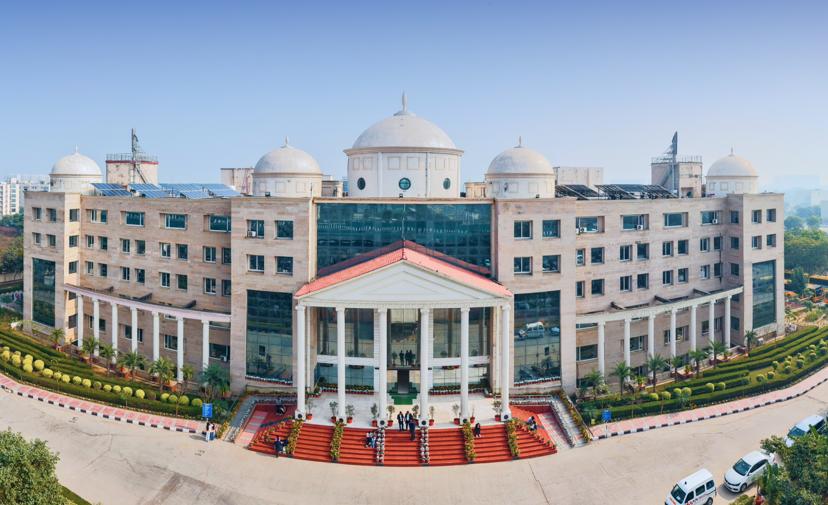
Students exploring BJMC colleges in Gurgaon should consider K.R. Mangalam University (KRMU) for journalism and mass communication education. KRMU’s B.A. (Journalism & Mass Communication) programme combines journalism fundamentals with digital media, content creation, media production, and practical learning.
KRMU offers a 3-year B.A. (Journalism & Mass Communication) programme for students who have completed 10+2 or an equivalent examination from a recognised board or university, with a minimum of 50% aggregate marks. Students seeking a longer undergraduate pathway can also explore the 4-year B.A. (Hons./Hons. with Research) Journalism & Mass Communication programme, which adds advanced specialisation and research components.
It is considered one of the best for the following reasons:
Journalism and Digital Media Learning
Its programmes cover areas such as:
- Reporting and editing
- Digital journalism
- Media ethics and laws
- Graphic design
- Visualisation
- Advertising
- Public relations
- Digital media marketing
- New media technologies
This provides students with exposure to both traditional journalism and digital-first communication.
Practical and Project-Based Learning
KRMU places emphasis on practical learning through projects and production-based activities. Students work on media projects that can help them develop reporting, editing, storytelling, creative, problem-solving, and technical skills.
Media Production Exposure
Students have access to media production facilities, including
- Broadcasting and multipurpose studios
- Computer labs
- Radio rooms
- Audio-visual facilities
Practical activities include:
- Video production
- Podcasting
- Photography
- Graphic design
- Radio production
- Television journalism
- Digital content creation
Industry Interaction
The programme includes industry exposure through:
- Industry visits
- Workshops
- Projects
- Interactions with media professionals
These activities can help students understand professional workflows and changing trends across journalism, digital media, advertising, PR, and communication.
Workshops and Expert Sessions
Workshops and expert-led sessions provide opportunities to learn from professionals and gain insights into current media practices.
Such sessions can complement classroom learning by introducing students to practical approaches to reporting, production, digital content, and communication.
Internship Opportunities
Internships are included within the programme structure, giving students opportunities to gain workplace exposure alongside their academic studies.
The curriculum also includes industry projects and practical assignments that can contribute to building professional experience and a media portfolio.
Career Development Support
KRMU’s programme is designed to prepare students for career areas such as:
- Journalism
- Broadcasting
- Digital content
- Advertising
- Public relations
- Corporate communication
Students can also develop a portfolio of articles, videos, podcasts, and campaigns that can demonstrate their practical abilities to prospective employers.
Campus Facilities and Student Activities
Beyond classroom learning, students can use media-focused facilities and participate in student activities that support communication, creativity, and collaborative learning.
KRMU’s School of Emerging Media and Creator Economy also focuses on journalism, digital media, content creation, and the wider creator economy.
These are the reasons that have made KRMU one of the best BJMC universities in Delhi NCR.
Conclusion
To sum up, choosing among BJMC colleges in Gurgaon requires students to consider curriculum, practical exposure, media facilities, internships, industry interaction, and career support. Students exploring journalism and mass communication in Delhi NCR can also consider K.R. Mangalam University (KRMU) for its focus on journalism, digital media, practical learning, and industry exposure.
Explore KRMU’s Journalism and Mass Communication programmes and take the next step towards a career in media and communication.
Also Read: B.A. in Journalism and Mass Communication: Fee, Scope & More
FAQs
What are the eligibility requirements for BJMC?
Eligibility requirements vary by university. Students should check the specific academic qualifications, minimum marks, and admission requirements of the institution they are considering.
What are the career options after BJMC?
BJMC graduates can explore careers in journalism, broadcasting, digital content, advertising, public relations, corporate communication, media production, and social media.
What should students consider when choosing BJMC colleges in Gurgaon?
Students should compare curriculum, specialisations, faculty, media facilities, practical projects, internships, industry interaction, campus activities, fees, eligibility, and career support.
Does BJMC include digital media?
Yes. Depending on the curriculum, BJMC programmes may cover digital journalism, content creation, social media, digital communication, and emerging media technologies.
Why study journalism and mass communication in Gurugram?
Gurugram's corporate environment and location within Delhi NCR can provide opportunities for exposure to advertising, public relations, corporate communication, digital media, internships, and networking.















 13+Years of Educational Experience