HR Courses After 12th make real sense if you’re someone who enjoys working with people, wants to build leadership skills early, and finds the idea of managing organisations genuinely interesting. Popular picks include a BBA in Human Resource Management, B.Com with HR specialisation, plus various diploma and certificate courses in HR.
These programmes set students up for careers in recruitment, talent acquisition, employee relations, payroll, training and development, and HR analytics, spanning pretty much every industry you can think of.
HR plays a crucial role in the management of employees of a company and institution; basically, all the management of the human resources is dependent upon minute details like regular attendance checks to make sure everything is fine in the organisation between employees, seniors, and everyone. HR is also responsible for the hiring and firing of the employees. In this blog, we will be exploring various HR courses after 12th, the benefits of pursuing HR courses, and many more.
Quick Glance at the Blog
The table below provides a quick overview of the key topics covered in this blog, including human resource management, popular HR courses after 12th, HR programmes, eligibility, career opportunities, and salary prospects.
| Sections |
Key Highlights |
| What is Human Resources? |
Meaning of human resources, workforce management, employee relations, organisational success |
| What is Human Resource Management? |
Recruitment, hiring, training, employee management, performance management, workplace culture |
| Scope of Human Resource Management |
Growing demand for HR professionals, AI in recruitment, HR analytics, employee engagement |
| Top HR Courses After 12th |
BBA HR, B.Com HR, Diploma in HR Management, Certificate in Fundamentals of HR. |
| Why Choose HR Courses After 12th? |
Career growth, global opportunities, competitive salaries, leadership and communication skills |
| Advantages of Pursuing HR as a Career |
Stable career, diverse industries, organisational impact, advancement opportunities |
| BBA HR Programme At K.R. Mangalam University |
Industry-oriented HR programmes, practical learning, leadership development, modern HR practices |
| Career Options After an HR Degree |
Including HR Administrator, Talent Acquisition Specialist, HR Manager, HR Consultant, Talent Manager |
| Conclusion |
Importance of HR careers, industry-ready education at KRMU, future-ready HR opportunities |
What is Human Resources?
Before discussing the course, first students need to be clear about the terms “Human Resources”. The group of individuals that comprise an organisation’s workforce is known as human resources. The workforce is in charge of providing information or skills that enable an organization to accomplish its objectives. HR specialists ensure workers have the tools they need to complete their jobs and create a healthy work environment, both of which contribute to the organization’s success. From hiring and recruiting to performance management and employee relations, the human resources department is in charge of overseeing every facet of an organisation.
What is Human Resource Management?
Human Resource Management (HRM) refers to the function of recruiting, hiring, training, and managing an organisation’s employees. HRM is employee management with a major focus on employees as an asset of the business. It is done to maximise the performance of the employees within an organisation to help the business grow and gain a competitive advantage.
Effective human resource management also involves creating a positive work environment, ensuring employee satisfaction, and fostering professional development. HRM encompasses a broad range of responsibilities, including performance appraisals, compensation management, workplace safety, and compliance with labour laws.
By aligning HR strategies with overall business objectives, organisations can improve employee engagement and reduce turnover rates. Moreover, HRM plays a critical role in shaping company culture and promoting diversity and inclusion. As businesses develop, HR professionals must adapt to technological advancements and changing workforce expectations, making HRM a dynamic and essential part of any successful organisation.
Scope of Human Resource Management
As companies increasingly invest in employee well-being and organisational culture, the demand for skilled HR professionals is on the rise. With trends like remote work, AI in recruitment, and diversity and inclusion, the human resources field is rapidly evolving, offering a wide range of roles from HR analytics to employee experience design. It also involves performance management, employee relations, and compensation strategies aimed at enhancing engagement and satisfaction. A human resource management degree equips professionals with the skills needed to excel in these diverse functions and significantly contribute to a positive workplace culture.
Top HR Courses After 12th
There is a wide range of human resources courses after 12th for students who wish to pursue a career in HRM. Here are the details of some of the most popular HRM courses:
| Course |
Duration |
Eligibility |
Best For |
| BBA (HR Specialisation) |
3 Years |
10+2 with minimum 50% marks |
HR Management |
| BBA (Hons. / Hons. with Research) |
4 Years |
10+2 with minimum 50% marks |
Advanced HR & Research |
| B.Com with HR Specialisation |
3 Years |
10+2 with minimum 50% marks |
Commerce + HR |
| Diploma in HR Management |
1-2 Years |
10+2 with minimum 50% marks |
Quick Entry |
| Certificate in HR |
6-12 Months |
10+2 with minimum 50% marks |
Skill Enhancement |
Why Choose HR Courses After 12th?
Human resources plays an important role in the management, training, recruitment, development, etc. of employees. Here are some reasons why you should consider pursuing a career as an HR professional:
- As the HR field is evolving, the need for HR professionals is also increasing. From corporate firms to non-profit organisations, individuals are offered numerous career opportunities in the field of human resources.
- HR professionals enjoy a competitive salary and multiple benefits, like increased engagement with the employees, being better prepared to manage issues on the office premises, and getting to help others by contributing to organisational growth.
- HR professionals enjoy a competitive salary and multiple benefits.
- The role involves resolving complex issues related to employee relations, removal, compliance, performance management, and many more, which can be intellectually challenging and satisfying.
- There are numerous opportunities for advancement and specialisation within HR, allowing for career progression in areas such as talent management, compensation, and organisational development.
- Human resource professionals are key to cultivating company culture, promoting employee engagement, and expanding diversity, equity, and inclusion in the workplace.
- A career in HR can take you many places around the world, as human resource principles and practices are vital for the success of businesses in every industry, country, and culture, allowing us to work internationally.
- HR courses develop the essential soft skills of communication, negotiation, leadership, and conflict resolution that benefit every workplace.
Advantages of Pursuing HR as a Career
Human Resources (HR) is one of the most stable and rewarding career paths for students who are passionate about working with people and shaping the future of organisations. One of the biggest advantages of choosing HR is that it is a stable and recession-resistant career, as every company—regardless of size or sector—requires skilled HR professionals to manage talent and drive growth.
HR offers opportunities across diverse industries such as IT, healthcare, education, finance, manufacturing, retail, and many more, making it a versatile field with wide career options. With experience and expertise, professionals can achieve strong career growth, eventually moving into senior leadership roles like HR Director or Chief Human Resources Officer (CHRO).
Moreover, HR is not just about recruitment; it provides the chance to work closely with people, shape policies, and influence organisational culture, making it a fulfilling career for those who enjoy leadership, communication, and problem-solving. Choosing HR means stepping into a career path that balances stability, growth, and impact.
BBA HR Programme At K.R. Mangalam University
To develop the right skills, become industry-ready professionals, and explore strong career opportunities in this domain, students need not only the right course but also the right educational institution.
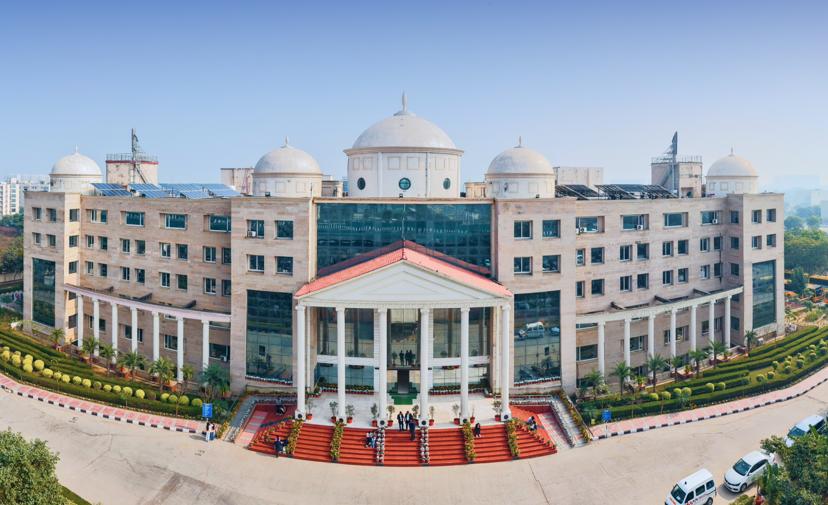
K.R. Mangalam University (KRMU) is a pioneer institution of higher education located in Gurugram, Haryana, established in 2013 under the Haryana Private University Act. This university is known for its excellence in interdisciplinary education and for its research and innovation that prepares students to become socially responsible and contribute to nation-building through their learning and skills.
K.R. Mangalam University offers HR programmes which are BBA (Human Resource) and BBA (Hons. / Hons. with Research) Human Resource. They provide the strong foundational knowledge and skills needed to navigate the complexities of managing an organisational workforce. This programme at KRMU will provide a deep dive into modern human resource management practices, focusing on developing various interpersonal skills. The courses offered from KRMU are designed in a way to create the leaders of tomorrow.
Subjects Covered in These Programmes
- Business Statistics
- Financial Accounting and Reporting
- Micro Economics
- Business Statistics
- Financial Accounting and Reporting
- Human Resource Management
- Sales and Distribution Management
- Minor III
- Verbal Ability
Eligibility & Course Duration
| Programme |
Eligibility |
Duration |
Annual Fee (2026-27) |
| BBA (HR/Marketing/Finance/International Business/Travel & Tourism) |
10+2 with minimum 50% marks |
3 Years |
₹2,00,000 |
| BBA (Hons. / Hons. with Research) |
10+2 with minimum 50% marks |
4 Years |
₹2,00,000 |
Career Options After an HR degree
Some popular career options after an HR degree include:
- HR Administrators: The primary responsibilities of the entry-level HR administrator include managing HR data and systems (such as the HRIS), documenting personnel information, and assessing employee relations. They collaborate with management to address issues and find solutions so that every worker has a happy, secure, and comfortable workplace.
- Benefits Managers: Employee benefits programs are designed, implemented, and supervised by the benefits manager. These programs include paid time off, fitness programs, retirement plans, health insurance, and other alluring benefits to draw and keep top personnel while maintaining compliance with applicable laws. In order to deliver complete and competitive benefit packages that improve the employee experience, benefits managers collaborate with various departments, insurance companies, and vendors.
- HR Project Managers: Project planning, team building, and resource management (people, money, and time) are within the purview of the HR project managers. Project management tools, organization, planning, and communication abilities are required for this position.
- Organisational Development (OD) Specialists: In order to enhance operational effectiveness and culture, as well as increase revenues and potential, the organisational development (OD) specialists assess the present working style and make recommendations and guarantees improvements for every department.
- Talent Acquisition Specialists: The talent acquisition expert finds qualified applicants for specialised jobs inside a company, especially highly specialised occupations that call for a high level of competence or ability. They are in charge of finding, luring, interviewing, employing, and onboarding workers in accordance with the long-term goals of the business. Additionally, they are concerned with making sure current workers are content in their positions.
- Talent Managers: Identifying talent shortages within the company, assisting staff in developing their abilities, and fostering a healthy work environment for everybody are the responsibilities of a talent manager. Their primary goal is to hire, develop, and retain talent, which is essential to the success of the company. Building a large network, having a love for dealing with people, and knowing what makes a firm successful are all necessary for this position.
- HR Managers: HR manager is responsible for the planning, direction, and coordination of admin in the HR department, including recruitment, learning and development, compensation and benefits, labor relations, and more. They also play a key role in supporting the leadership team, developing and executing HR talent strategies, managing the HR budget, and reporting on HR metrics.
- Director of Total Rewards: The director of total rewards is in charge of creating and overseeing the organization’s incentive program. The goal is to develop an alluring benefits and pay package that aids in luring, keeping, and inspiring top personnel in a cutthroat employment market. This individual is also in charge of counselling company executives on the optimal approach for overall compensation systems.
- HR Business Partners: A mid-level position in a developing firm, HR business partners are responsible for hiring, HR administration, pay and benefits, and other areas. They support and counsel leaders on choices pertaining to personnel, procedures, practices, and policies.
- HR Consultants: HR consultants are either experts in a certain field or generalists in a broad range of HR responsibilities. Their main responsibility is to hire, train, and assist staff in order to help the company expand and pursue its overarching goals. They could operate on their own or in a larger group.
- HR Assistants: They perform administrative tasks related to recruitment, payroll, creating and updating employee records, and supporting the day-to-day operations of HR and HR executives, employees, and candidates.
Average Salary Ranges of Each of These Career Options
| Career Options |
Average Salary Ranges |
| HR Administrators |
INR 3 LPA – INR 6 LPA |
| Benefits Managers |
INR 8 LPA – INR 18 LPA |
| HR Project Managers |
INR 7 LPA – INR 16 LPA |
| Organisational Development (OD) Specialists |
INR 6 LPA – INR 15 LPA |
| Talent Acquisition Specialists |
INR 4 LPA – INR 10 LPA |
| Talent Managers |
INR 8 LPA – INR 20 LPA |
| HR Managers |
INR 6 LPA – INR 18 LPA |
| Director of Total Rewards |
INR 18 LPA – INR 40 LPA |
| HR Business Partners |
INR 10 LPA – INR 25 LPA |
| HR Consultants |
INR 5 LPA – INR 20 LPA |
| HR Assistants |
INR 2.5 LPA – INR 5 LPA |
Conclusion
Choosing HR courses after 12th can set you on a path to a fulfilling and dynamic career in human resource management. From recruitment and training to employee relations and compliance, HR professionals play an important role in fostering a positive environment and driving organisational success. Making the correct educational decisions is the first step towards a career in HR management, whether through a certification programme, diploma, or bachelor’s degree.
K.R. Mangalam University offers industry-oriented HR programmes designed to prepare students for successful careers in human resource management. With modern learning approaches, practical exposure, and a strong focus on leadership and interpersonal skills, KRMU helps students become future-ready HR professionals.
Explore HR programmes at K.R. Mangalam University and take the first step towards a successful career in the HR field.
Also Read: HR Courses After 12th: Eligibility, Duration & Career Scope
FAQs
In this blog, we have tried to cover all the necessary information related to human resource management courses after 12th. However, there may be some questions that you need clarity on. Let's discuss those questions.
Can I do a diploma in HR Management after 12th?
Yes, students can pursue a diploma in HR Management after 12th.
What is the average annual salary for an HR?
The average annual salary for an HR professional would range from Rs 3 lakh per annum to Rs 10 lakh per annum.
What types of jobs are available in HR?
Jobs in HR range from administrative support roles to HR generalist positions. Some of these are HR Executive, HR Manager, HR assistant, HR Director, Employee Relationship Manager and more.
What are the benefits of becoming an HR?
The perks of being an HR professional include getting to help others, contribute to the growth of the organisation, and, most importantly, the job role offers a career stability.
How much does an HR earn on average?
6.3 lakhs per year* is the average salary of an HR professional in India.

























 13+Years of Educational Experience