Every year, hundreds of students across the world get selected for Google Summer of Code (GSoC). They earn a real stipend. They work on real projects. And they walk away with something that makes recruiters sit up and take notice. But most Indian students discover GSoC too late. Either a senior mentions it in the final year, or it shows up in a random late-night Google search. By then, the deadline had already passed.
GSoC 2026 had a total of 184 open source organisations taking part. Each one offered real project ideas for students to work on. The students who got selected were not always the best coders. They were simply the most prepared.
So what does such a preparation actually look like?
It means knowing which organisation to apply to. It means understanding how to contribute to a codebase before the application even opens. It means writing a proposal that mentors actually want to read. This ability takes time to build in the student’s mind. It requires proper guidance and a clear, actionable step-by-step plan that a mentorship programme can provide.
This blog gives you exactly that. It walks you from a complete beginner to a prepared applicant. But before that, let’s understand what exactly these events like GSoC are and what significance they carry for the profile of an engineering student preparing for placements.
What is GSoC? And Why Should You Care?
GSoC is Google’s global event that invites engineering students to contribute to real-world open source software projects. Google funds selected students with a stipend to contribute to these projects.
Talking about the participants in GSoC 2026 alone, there are 184 of the top open source organisations, such as:
- The Linux Foundation
- The GNU Project
- The Python Foundation
- The Internet Archive
- FOSSASIA
- Metasploit
- OWASP Foundation
- GNOME Foundation
- Apache Software Foundation
- openSUSE Project, etc
These participants release a list of project ideas for which the contributors have to study the codebase, submit pull requests and then write a detailed technical proposal for the project they want to work on. Mentors from these participating organisations review every proposal and interview shortlisted candidates before making their selections. Only the strongest proposals get selected for the programme.
As a result, selected candidates earn a credential that carries genuine industry weight. A GSoC selection tells any hiring manager that this person can identify a real problem, design a technical solution, communicate it clearly to experts, and execute it independently. Thanks to Mentorship programmes that prepare students for exactly that. As a result, this value in your CV outweighs any tech internships you have had during or after your engineering degree programme.
Why Do Most Students Fail to Get Selected?
Thousands of students apply for community or open source events like GSoC every year. But only a handful of them with specific attributes get selected. There are plenty of reasons behind the rejection, but the major ones are:
No Structured Preparation
Any competitive application requires strong preparation, proper guidance from experienced professionals and a roadmap to follow. The effectiveness of these factors decides whether the student is capable or not.
Wrong Organisation Selection
Just a wrong selection of organisation can impact the selection of your profile more than your coding skills. That’s why it becomes essential for applicants to start research for the relevant organisations early, build credibility through active contributions (small patches, bug fixes, etc), proactively engage with the community to build relationships, and most importantly, strategically select organisations whose projects genuinely excite you.
Weak Proposals
Writing proposals without conducting thorough research or comprehending the project’s scope or objectives inevitably leads to rejection. Even after good coding skills, active contributions to projects, and community engagement, a proposal that lacks in-depth content and clear communication doesn’t make it through the selection process.
No Real Contribution History
Many students apply for programmes like GSoC with theoretical knowledge and personal projects. Students are required to build a publicly visible portfolio containing merged pull requests, bug fixes, documentation improvements, or issue discussions to prove that you already worked in collaborative development environments.
Getting selected for such high-value programmes required dedication, commitment and long-term preparation. With mentorship programmes, structured preparation, proper guidance with experienced professionals and real contributions on real project repositories, nothing can stop you from acing competitions such as GSoC, LFX Mentorship, Summer of Bitcoin, Hacktoberfest, MLH Fellowship, and Outreachy. But how? Let’s explore.
Also Read: GSoC 2026: KRMU B.Tech. Student Wins ₹3L Google Stipend
What If There Was a Programme That Prepared You for All of It?
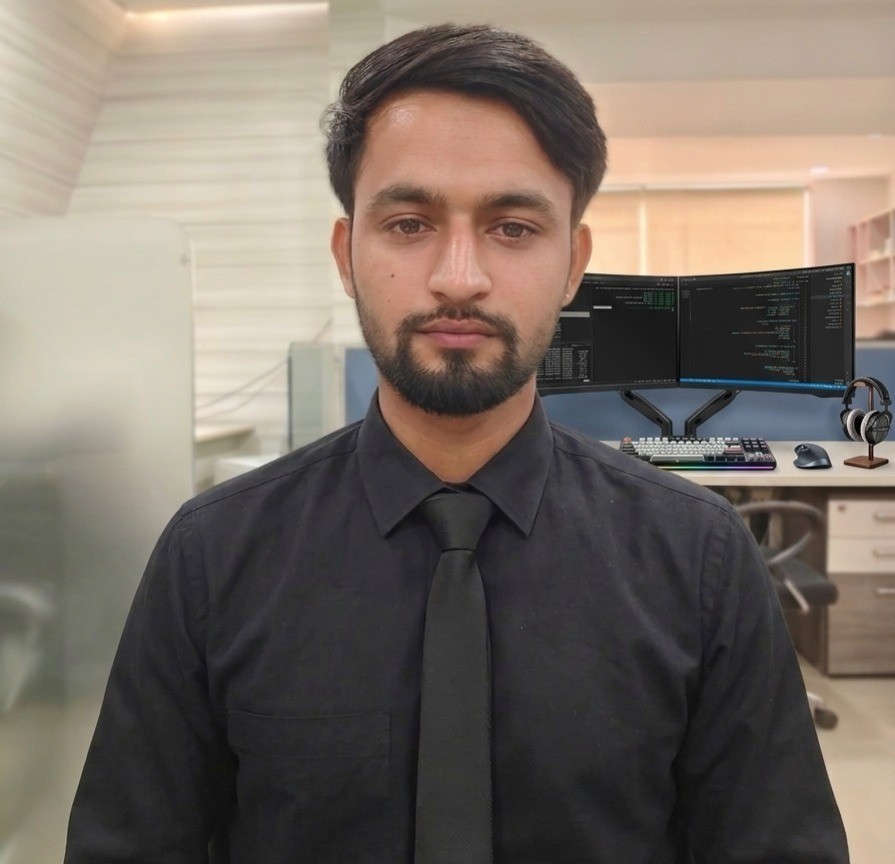
The story becomes different when you have access to such programmes that prepare you for such events and competitions. That’s what happened at K.R. Mangalam University (KRMU). Jayant Parashar, a B.Tech. CSE, 6th-semester student of the university, was selected as a contributor by FOSSASIA at GSoC 2026, receiving a stipend worth ₹3,00,000 from Google.
When we see achievements like this, we often attribute them to individual brilliance. While it is easy to view such success as an individual achievement, the bigger story lies in the system that helped make it possible.
KRMU’s School of Engineering and Technology (SOET) runs a dedicated Open Source Mentorship Programme, driven by its Technical Training Team. It is a structured, six-month preparation cycle designed to bridge the gap between classroom learning and real-world software development through open-source contributions on real projects.
This programme not only prepares students for stipend-based programmes such as GSoC but also helps in building the essential mindset to stay competitive throughout their careers.
What You Actually Get From the KRMU’s Mentorship Programme
The programme covers every stage of the journey from finding the right project to submitting a proposal that actually gets read. Here’s what this six-month structured preparation looks like:
Guided Organisation and Project Selection
The SOET’s Technical Training Team guides students on research methodologies and developing a personalised approach to evaluate a project’s scope in order to select a project that aligns with your skills and interests. Additionally, you also learn how to choose the best organisation that can potentially select you based on your GitHub activity, community engagements, and contributions to open projects.
Proposal Writing with Expert Feedback
Drafting a proposal is not just about the technical knowledge you have; it’s about presenting a clear, feasible, and mentor-friendly execution plan. The team in the Mentorship Programme evaluates your capabilities and identifies areas for improvement through personalised iterative reviews and provides feedback to structure proposals properly.
Hands-on Git, PRs, Real Repositories
With extensive experience in real-world projects, the technical training team emphasises practical implementation of learned concepts instead of just theory. They help you understand the open-source workflow of projects, guide you to structure commits for PRs (pull requests), and teach you underlying concepts such as CI/CD pipelines, version controlling, issue management and documentation.
Corporate-like Environment with Daily Tracking
To prepare for all of these tasks, this mentorship programme helps you to stay consistent, accountable, and professional throughout the six-month process. Mentors track and record your performance daily, set small achievable goals, and encourage you to maintain contribution momentum. Not only that, but they also provide progress updates, feedback loops and mentor discussions to help students build the discipline necessary for such competitions.
Other Doors This Mentorship Programme Opens Beyond GSoC
This programme is not just limited to training students for GSoC. With the acquired skills, knowledge and experience, students can also ace other open source or stipend-based opportunities such as:
LFX Mentorship
Similar to GSoC, LFX mentorship is a 12-week programme run by the Linux Foundation. It acts as a bridge between developers and experienced mentors to contribute to CNCF, Hyperledger, and other projects.
Hacktoberfest
Hactoberfest is an annual celebration event held every October. It is sponsored by DigitalOcean in a partnership with GitHub that encourages developers to contribute to open source projects.
MLH Fellowship
This is another 12-week remote internship for students and software engineers. Hosted by Major League Hacking in partnership with tech giants like Meta, GitHub and AWS.
Summer of Bitcoin
It is a crypto-based programme that runs for 12 weeks under experienced mentors. This programme aims to encourage students to contribute to Bitcoin-related projects that millions of users across the globe actually use.
Outreachy
Outreachy is a diversity initiative programme that provides paid internships to students for contributing to open-source projects, such as in software engineering, UX, documentation and data science.
Conclusion
The window for GSoC and similar programmes does not wait. Students who get selected do not start preparing a month before the deadline; they start a semester early, sometimes even two. The difference between a rejection and a ₹3,00,000 stipend often comes down to nothing more than timing and guidance.
If you are an engineering student, that guidance already exists. SOET’s Open Source Mentorship Programme is built precisely for students who are starting from scratch and want to get somewhere real. Do not wait for a senior to mention it in your final year. Start now!
Also Read: B Tech Computer Science: A Comprehensive Guide
FAQs
What does an Open Source Mentorship Programme do?
An Open Source Mentorship Programme aims to train engineering students for competitive events such as GSoC, LFX Mentorship, Summer of Bitcoin, etc. It is a structured, six-month preparation cycle designed to bridge the gap between classroom learning and real-world software development through open-source contributions on real projects.
Who can join SOET's Open Source Mentorship Programme?
Any engineering student enrolled at K.R. Mangalam University can apply. No prior open source experience is required.
How long does the mentorship programme run?
The programme runs for six months with continuous support, daily tracking, and structured milestones throughout.
Which open source events does this programme prepare students for?
The programme prepares students for GSoC, LFX Mentorship, Summer of Bitcoin, MLH Fellowship, Hacktoberfest, and Outreachy.
Do I need to know coding before joining the mentorship programme?
Basic programming knowledge helps, but the coding mentorship in this programme is designed to build your skills from the ground up, including Git, pull requests, and real repository contributions.




 13 Schools700+ Faculty Members













 13+Years of Educational Experience